Can You Use Murphy‘s Oil Soap on Leather? A Detailed Guide to Risks, Methods, and Alternatives
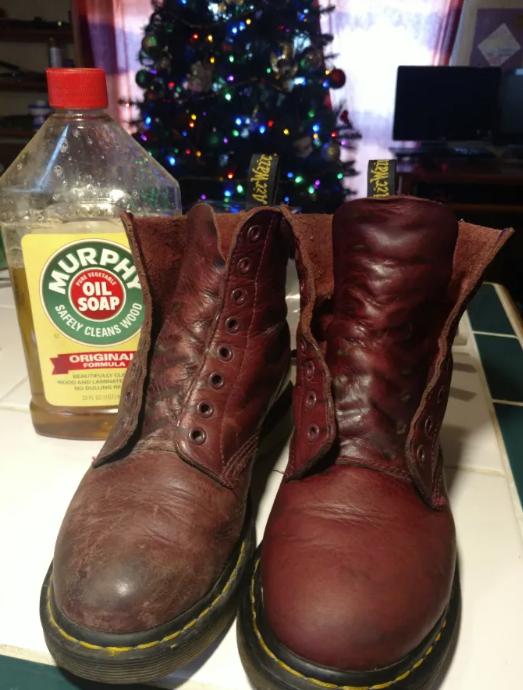
Yes, you can use Murphy’s Oil Soap on leather, but with critical caveats. The manufacturer explicitly endorses it as a leather conditioner when used at full strength on finished leather . However, leather care professionals and industry guidelines present a more nuanced picture: it is an effective cleaner for heavily soiled, finished leather, but it is not a substitute for a dedicated leather conditioner, and it can be damaging if misapplied to the wrong type of leather or used with excessive moisture . This guide breaks down exactly when and how to use it safely, when to avoid it entirely, and what the professionals actually recommend.
What Is Murphy‘s Oil Soap, Really?
Despite the name, Murphy’s Oil Soap is not an oil-based conditioner. It is a concentrated water-based cleaner formulated with water, coconut and plant-derived cleaning agents (sodium tallate), a chelating agent (trisodium MGDA), and a surfactant (lauramidopropyl dimethylamine oxide) . It contains approximately 98% natural ingredients and 2% synthetic ingredients, with no ammonia, bleach, or phosphates .
The “oil” in the name refers to the saponified tall oil (from pine-derived fatty acids) that helps the formula lift grime from finished surfaces. On wood, this leaves a natural shine. On leather, that same degreasing action can strip away the very oils that keep the hide supple—which is why the distinction between cleaning and conditioning is essential.
The Manufacturer’s Position vs. Professional Consensus
Murphy’s official website lists “Leather Conditioner” among its surprising uses, instructing users to apply the product at full strength to a dry cloth, work it over the leather, and buff with a second cloth . This guidance is notable because it contradicts the standard dilution instructions for wood floors (¼ cup per gallon of water) .
Professional leatherworkers and industry bodies take a more cautious view. On leatherworker.net, experienced craftspeople acknowledge that Murphy‘s is effective at removing grime from saddles and furniture, but they consistently emphasize that it is a cleaner, not a conditioner . One long-time user described using it to clean a greasy leather sofa, then following with shoe polish to restore color . The National Carpet Cleaners Association (NCCA) recommends “a natural, fragrance-free soap” for stubborn stains on finished leather but warns that moisture can warp leather and that aniline leather (which lacks a protective topcoat) is particularly vulnerable to soap driving stains deeper .
The consensus is clear: Murphy’s is a tool for cleaning finished leather that is genuinely dirty. It is not a maintenance product for routine conditioning.
Critical Factors: When Murphy‘s Is Safe vs. When It Is Not
The safety of Murphy’s Oil Soap on leather depends almost entirely on the type of leather finish and the application method. Not all leather is created equal.
Leather Type Compatibility
The Moisture Problem
Leather is skin. Excess water swells the fibers, displaces natural oils, and leaves the material stiff and prone to cracking when it dries. The NCCA explicitly warns that moisture can warp leather and advises squeezing excess liquid from any cloth before application . Even when using Murphy’s at full strength as the manufacturer suggests, the product is still water-based. The cloth should be barely damp—never wet—and the leather should never be left visibly moist.
The Residue Risk
Murphy’s is designed to be diluted for wood floors because, when used at full strength on porous surfaces, it can leave a sticky film. On leather, residue can attract dirt and create a dull, tacky surface. Buffing with a clean, dry cloth after application is not optional—it is essential to remove any soap film before it dries .
How to Use Murphy‘s Oil Soap on Finished Leather (Step-by-Step)
If you have finished, protected leather that is genuinely soiled (not just dusty), and you have patch-tested the product on a hidden area, follow this procedure:
1. Patch Test First.
Apply a small amount of the product to an inconspicuous area (under a cushion, on the back of a sofa). Wait for it to dry completely. Check for discoloration, darkening, or tackiness. If any occur, do not proceed.
2. Vacuum or Dust.
Remove loose debris with a soft brush attachment or a dry microfiber cloth. Never scrub dry dirt into the leather.
3. Apply Sparingly.
The manufacturer recommends full strength on a dry cloth for conditioning . For cleaning, many professionals prefer a diluted solution (a few drops in a bowl of warm water) to reduce residue risk . Wring the cloth out thoroughly—it should be damp, not dripping.
4. Work in Small Sections.
Use gentle, circular motions. Do not scrub aggressively. The goal is to lift grime, not to abrade the finish.
5. Remove Residue Immediately.
Use a second clean cloth, dampened with plain water and wrung out, to wipe away any soap residue. Then buff dry with a third clean, dry cloth.
6. Condition After Cleaning.
This step is non-negotiable. Murphy’s removes oils along with dirt. Follow immediately with a dedicated leather conditioner (see alternatives below) to restore suppleness and protect the finish.
7. Dry Naturally.
Keep the leather away from direct heat, sunlight, or radiators. Let it air-dry completely before use .
Comparison: Murphy’s Oil Soap vs. Dedicated Leather Products
What the Professionals Actually Recommend
Leatherworkers with decades of experience are blunt about this: soap is for cleaning, oil is for conditioning . Using Murphy’s as a conditioner—as the manufacturer’s website suggests—is a shortcut that many professionals consider misguided. The soap’s degreasing action is precisely the opposite of what conditioned leather needs.
A more sound regimen for finished leather furniture or saddlery is:
- Routine maintenance: Dust with a dry cloth. Use a dedicated leather cleaner only when visibly soiled.
- Deep cleaning (occasional): Murphy’s diluted or at full strength on finished leather, followed immediately by a quality conditioner.
- Conditioning: Neatsfoot oil, Montana Pitch Blend, Pecard‘s, or a manufacturer-recommended leather cream applied sparingly once or twice a year .
For automotive leather, some vehicle service bulletins list Murphy’s Oil Soap as an acceptable mild cleaner when diluted in water, but always in the context of cleaning, not conditioning .
Frequently Asked Questions (FAQs)
1. Can Murphy’s Oil Soap be used as a leather conditioner?
No, not in any meaningful sense. Murphy’s is a water-based cleaner that removes oils and grime. While the manufacturer markets it as a “leather conditioner” and instructs full-strength application , leather care professionals consistently classify it as a cleaner only . It does not replenish the natural oils that leather loses through use and cleaning. Relying on Murphy‘s alone will eventually leave leather dry, stiff, and prone to cracking. If you use it to clean, you must follow with a true conditioner such as neatsfoot oil or a dedicated leather cream.
2. What happens if I use Murphy’s Oil Soap on the wrong type of leather?
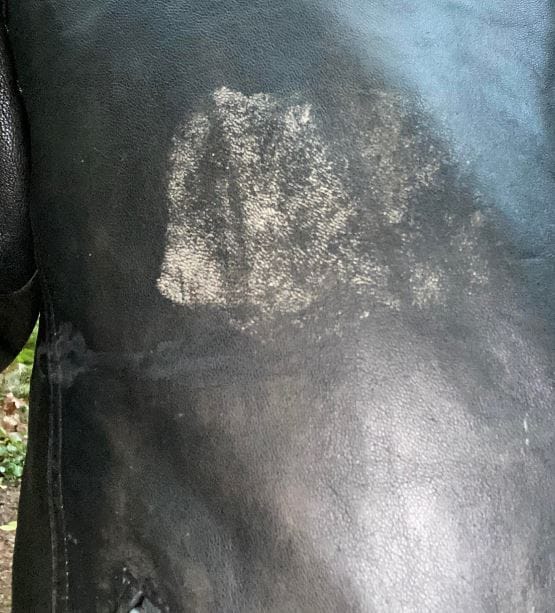
The consequences range from cosmetic to irreversible, depending on the leather. On aniline or semi-aniline leather, the lack of a protective topcoat means the soap and water can penetrate the hide, causing dark water stains, uneven coloration, and driving grime deeper into the fibers rather than lifting it . On suede or nubuck, the water will mat the nap and leave a stiff, discolored patch that is extremely difficult to restore . On unfinished or raw leather, it will strip natural oils and alter the patina permanently. If you are unsure of your leather type, do not use Murphy‘s—consult the furniture or vehicle manufacturer or a leather care professional first.
3. How do I remove Murphy’s Oil Soap residue from leather if I used too much?
Residue appears as a dull, tacky, or slightly sticky film. To remove it, dampen a clean microfiber cloth with plain water (wring it out until it is barely damp) and wipe the affected area gently to lift the soap film. Immediately buff dry with a separate clean, dry cloth. Do not re-apply soap. If the residue has dried and hardened, a slightly damp cloth held against the area for a few seconds may soften it enough to wipe away. Once the residue is removed and the leather is completely dry, apply a small amount of dedicated leather conditioner to restore any oils that were stripped during the cleaning process. If the leather feels stiff or shows discoloration after drying, consult a professional leather restorer.
Final Verdict: Murphy’s Oil Soap is a legitimate tool for cleaning finished, protected leather that is genuinely dirty. It is not a conditioner, it is not safe for all leather types, and it requires careful application to avoid moisture damage and residue. Use it sparingly, always patch-test, always buffer, and always follow with a proper conditioner. When in doubt, a dedicated leather cleaner is the lower-risk choice.