How to Clean Mohair Upholstery: A Professional Guide to Preservation & Stain Removal
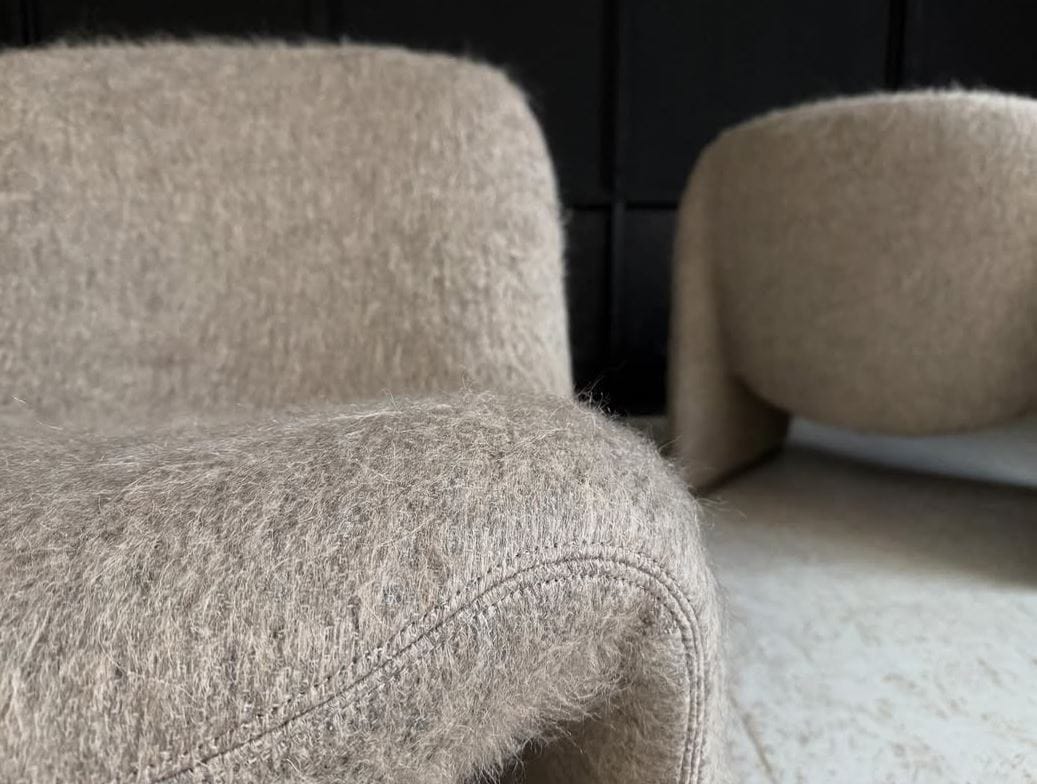
Mohair—derived from the fleece of the Angora goat—is a premium upholstery fabric prized for its lustrous sheen, exceptional durability, and natural resilience. Unlike standard wool or synthetic blends, mohair resists crushing and pilling, making it a favorite for luxury furniture, vintage heirlooms, and high-end automotive interiors.
However, its unique pile structure and susceptibility to water-based damage require a specialized cleaning approach. Incorrect methods can cause felting, shrinkage, or irreversible pile distortion.
This guide provides evidence-based, step-by-step protocols for cleaning mohair upholstery, from routine maintenance to aggressive stain removal.
1. Understanding Mohair: Why Cleaning Differs from Cotton or Polyester
Before cleaning, recognize three critical properties of mohair:
| Property | Implication for Cleaning |
|---|---|
| High moisture sensitivity | Excess water causes felting (irreversible matting of fibers). |
| Alkali sensitivity | Alkaline cleaners (pH > 8) degrade protein fibers, causing brittleness. |
| Heat sensitivity | Temperatures above 40°C (104°F) shrink and distort the pile. |
Professional rule: Less moisture, neutral pH, ambient temperatures.
2. Tools & Cleaning Solutions: What You Need
Required Equipment
- Vacuum with upholstery brush attachment (no beater bar)
- White microfiber cloths (dye-free)
- Soft-bristle mohair brush (horsehair or nylon – never metal)
- Spray bottle with fine mist nozzle
- Clean, dry towels (for blotting)
- Fan or dehumidifier (for accelerated drying)
Safe Cleaning Solutions (Ranked by Aggression)
| Cleaner Type | pH | Suitability | Example |
|---|---|---|---|
| Distilled water | 7.0 | Routine dust lifting | – |
| Wool-safe detergent | 6.5–7.5 | General soiling | Eucalan, Nikwax Wool Wash |
| 50% white vinegar / 50% water | ~3.0 | Protein stains (urine, blood) | – |
| Isopropyl alcohol (70%) | ~7.0 | Oil-based stains (lipstick, grease) | – |
| Dry-cleaning solvent | Neutral | Heavy, water-sensitive stains | K2R Spot Remover |
Avoid: Bleach, ammonia, dish soap, laundry detergents with enzymes, or oxygen cleaners (sodium percarbonate).
3. Step-by-Step Cleaning Protocol
Phase 1: Dry Soil Removal (Crucial First Step)
*80% of mohair soiling is dry particulate. Vacuuming prevents mud-forming when moisture is added.*
- Vacuum systematically using the upholstery brush. Use overlapping, low-pressure strokes following the pile direction.
- Brush lightly with a mohair brush between vacuum passes to lift embedded debris.
- Repeat weekly for high-use furniture.
Phase 2: Spot Cleaning vs. Full Surface Cleaning
| Issue | Method | Max Moisture Level |
|---|---|---|
| Small spot (<2 inches) | Blot-only with damp cloth | Minimal |
| Larger localized stain | Spray + blot | Damp (not wet) |
| Overall soiling | Foam extraction or professional dry cleaning | Zero free water |
Phase 3: Stain-Specific Treatment (Table)
| Stain Type | Primary Agent | Technique | Rinse Required? |
|---|---|---|---|
| Coffee, tea, wine | Wool-safe detergent (1 tsp per 2 cups water) | Dab from edge to center; no rubbing | Yes (damp cloth) |
| Grease, oil | Cornstarch or 70% isopropyl alcohol | Apply powder → absorb 4 hrs → brush; or dab alcohol | No |
| Pet urine | 50% vinegar/water | Saturate, blot, then baking soda dry | No |
| Ink | 70% alcohol on cotton swab | Rolling transfer – do not spread | No |
| Dried mud | Vacuum + soft brush | No liquid until dry particulate removed | N/A |
Phase 4: Full Surface Cleaning (Foam Method Only)
Indicated for: Even soiling without stains.
Tools: Foam upholstery cleaner (pH-neutral) + soft brush.
Procedure:
- Mix cleaner to manufacturer’s directions – whip into stiff foam.
- Apply foam with brush – do not wet base fabric.
- Agitate gently following pile direction.
- Immediately blot with dry microfiber.
- Allow to dry with fan for 6–12 hours.
- Final brush to restore nap.
4. Drying & Post-Cleaning Pile Restoration
Critical: Avoid Heat and Sun
- Never use hair dryers, radiators, or direct sunlight.
- Ideal drying: 20–22°C (68–72°F), low humidity, air movement.
Restoring the Pile
Once completely dry (test with tissue – no moisture transfer):
- Brush gently against the pile to lift matted fibers.
- Then brush with the pile to restore natural sheen.
- Use a steamer held 12 inches away to relax stubborn flattened areas (briefly – 2 seconds).
5. Professional vs. DIY: Comparison Table
| Factor | DIY Foam Cleaning | Professional Hot Water Extraction (Dry Variant) | Professional Dry Cleaning (Perchloroethylene) |
|---|---|---|---|
| Water usage | Minimal (foam) | Very low (encapsulation) | None |
| Risk of felting | Low if method followed | Very low | Zero |
| Stain removal depth | Moderate | High | Excellent (oil-based) |
| Cost | $20–$50 (supplies) | $150–$300 per seat | $200–$400 |
| Best for | Light to moderate soiling | All-purpose, antique-safe | Deluxe or heavily soiled vintage |
Recommendation: For mohair older than 30 years or with unknown dye stability, opt for professional dry cleaning.
6. Proactive Maintenance to Reduce Cleaning Frequency
- Apply fabric protector: Use a fluorochemical-free spray (e.g., Guardol by FibreGuard) to repel liquids without altering hand-feel.
- Rotate cushions monthly to distribute wear.
- Use arm covers in high-contact areas.
- Clean spills immediately using the blot-don’t-rub rule.
Maintenance schedule:
- Weekly: Vacuum + brush
- Monthly: Spot-check high-use areas
- Every 12–18 months: Full foam clean or professional service
7. Common Mistakes That Ruin Mohair Upholstery
| Mistake | Consequence | Why It Happens |
|---|---|---|
| Rubbing stains vigorously | Pile distortion, bald spots | Abrasion fractures fiber scales |
| Using steam cleaner | Felting, shrinkage | Heat + moisture + agitation |
| Applying baking soda paste | Alkaline damage | pH ~8.5 degrades protein |
| Machine washing covers | Cracking, loss of nap | Mechanical action and spinning |
8. Frequently Asked Questions (Schema Markup Ready)
Q: Can I use a carpet cleaner on mohair upholstery?
A: No. Carpet cleaners use excessive water, heat, and alkaline detergents – all incompatible with mohair.
Q: How do I remove old, set-in stains from mohair?
A: Set-in stains often require professional solvent cleaning. DIY attempts can lock stains further.
Q: Is mohair upholstery safe to clean with vinegar?
A: Yes – diluted white vinegar (50%) is safe for protein-based stains. Always test in a hidden area first.
Q: How do I clean mohair that smells musty?
A: Sprinkle baking soda, leave for 12 hours, vacuum thoroughly. If smell persists, professional ozone treatment.
Conclusion
Cleaning mohair upholstery is not difficult—but it is method-specific. Prioritize dry soil removal, use only neutral or mildly acidic cleaners, apply moisture sparingly, and avoid all heat sources. When in doubt between DIY and professional intervention, choose the lower-moisture option.
With correct care, mohair upholstery will retain its signature iridescence and resilience for decades, outperforming almost any other natural fiber.