Does Lysol Kill Athlete’s Foot Fungus in Shoes? A Professional Guide
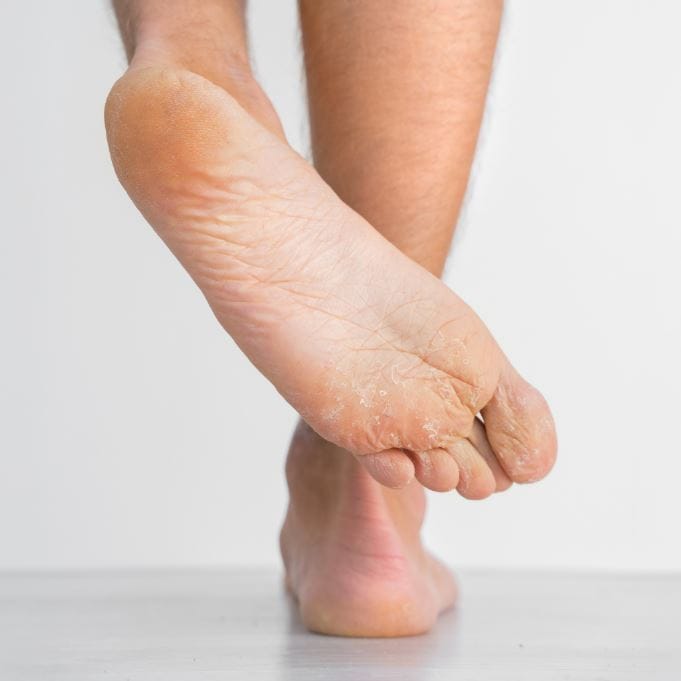
Athlete’s foot (tinea pedis) is a persistent and contagious fungal infection affecting millions. While treating the skin infection is critical, failing to decontaminate your footwear is a primary reason for recurrence. Fungal spores can survive in shoes for months, waiting to reinfect your feet . This guide provides a detailed, evidence-based answer to whether Lysol can be part of a solution.
The Verdict: Does Lysol Kill Athlete’s Foot Fungus in Shoes?
Yes, Lysol is fungicidal and can kill the fungi that cause athlete’s foot on surfaces and shoes, but this use has significant clinical, safety, and material caveats.
Evidence Supporting Efficacy
The fungicidal efficacy of Lysol is supported by multiple sources:
- EPA Registration and Label Claims: The United States Environmental Protection Agency (EPA) has registered Lysol for “Athletes Foot Fungi Control” on inanimate surfaces, including shoes . The EPA registration explicitly confirms Lysol’s efficacy against Trichophyton interdigitale (formerly T. mentagrophytes), the primary fungus responsible for athlete’s foot .
- Clinical Studies: Research dating back to 1961 (published in the Journal of the American Medical Association) demonstrated Lysol’s fungicidal effect in vitro against various dermatophytes, including Trichophyton species .
- Active Ingredients: The active ingredients in Lysol, notably ortho-phenylphenol and ethyl alcohol (ethanol), are established disinfectants that destroy fungal cell walls .
Critical Limitation: Surface Restriction
The EPA registration carries a crucial condition: the fungicidal claim applies only to hard, non-porous surfaces . This includes materials like:
- Bathtub and shower floors
- Locker room floors
- Countertops
The efficacy of Lysol on porous materials like fabric, leather, and the internal linings of shoes is not guaranteed by the EPA label. Therefore, while many foot specialists recommend Lysol for shoes, this is an off-label use .
How to Use Lysol for Shoe Disinfection (Off-Label Protocol)
If you choose to use Lysol for shoe disinfection, adherence to a specific protocol is crucial for both effectiveness and safety. The goal is to kill the fungus without damaging your footwear or causing skin irritation.
Step-by-Step Protocol:
- Preparation: Work in a well-ventilated area to avoid inhaling fumes .
- Application:
- Dwell Time (Contact Time): For the disinfectant to be effective, it must remain wet on the surface for a specific period. Follow the directions on your specific Lysol can, but a general recommendation is to allow 10 minutes of contact time to kill fungi . For hard, non-porous surfaces, some formulations may achieve this in as little as 3 minutes .
- Drying:
- Frequency: The fungus can survive for months, so decontaminate all shoes worn recently. For active infections, consider spraying the inside of your shoes daily as part of a comprehensive treatment plan .
Professional Alternative: The “Newspaper Method”
A podiatrist-recommended variation involves spraying Lysol onto crumpled newspaper or paper towels and then stuffing them inside the shoes to dry overnight. This method helps the disinfectant penetrate the interior while limiting direct saturation of shoe materials .
Comparison of Shoe Disinfection Methods
For a professional perspective, here is a comparison of common methods for eliminating athlete’s foot fungus from shoes:
Clinical and Safety Considerations
1. Lysol is NOT a Medical Treatment
While Lysol is a powerful disinfectant, it should not be used to treat athlete’s foot on your skin. Direct application can cause severe skin irritation, chemical burns, and allergic reactions. Over-the-counter or prescription antifungal creams, powders, or sprays are required for treatment .
2. Material Degradation
Lysol contains harsh solvents like ethanol that can degrade adhesives, dry out and crack leather, discolor fabrics, and leave a sticky residue . Test it on a small, inconspicuous area before wide application on expensive footwear.
3. Health and Air Quality Concerns
Lysol releases Volatile Organic Compounds (VOCs) that can decrease indoor air quality and trigger symptoms in people with chemical sensitivities . Always use it in a well-ventilated area or outdoors.
The Bottom Line
Lysol is an effective fungicide that can kill athlete’s foot fungus on surfaces. Its use in shoes is a common and effective off-label practice that can help prevent reinfection when used correctly . However, it is not the best product for the job.
A more prudent approach is to combine a medical treatment for the infection with a dedicated shoe-care strategy:
- Treat the Feet: Use OTC or prescription antifungal medication on your skin.
- Disinfect the Shoes: For best results, use a product designed for footwear, such as a UV shoe sanitizer or a dedicated antifungal shoe spray like Scholl’s. These options offer the benefits of fungicidal activity without the risks of material damage or skin irritation.
- Practice Good Hygiene: Keep feet clean and dry, wear moisture-wicking socks, and allow shoes to air out for 24-48 hours between uses.