Will Clorox Kill Maggots? A Techie’s Guide to Eradicating Pests

As a tech educator, I love finding the most efficient solution to a problem. So, when a maggot infestation appears, it’s natural to look for the strongest “tool” in your cleaning arsenal. For many, that’s Clorox bleach. It’s powerful, it’s corrosive, and it smells like it can kill just about anything.
But is it the right tool for this particular job?
The short answer is yes, Clorox bleach will kill maggots on contact. However, using it is like using a sledgehammer to crack a nut—it works, but it’s messy, hazardous, and there might be better, more precise tools for the job.
Let’s break down the science, the procedure, and the “user manual” for using Clorox against maggots.
The Science Behind the Sizzle: How Bleach Attacks Maggots
Maggots, the larval stage of flies, have a simple but resilient biology. They breathe through small openings on their bodies called spiracles. Bleach is a potent oxidizing agent and a base (high pH). When it makes contact with a maggot’s soft body, it causes a violent chemical reaction.
“Think of it like this,” explains Dr. Sarah Jenkins, an urban entomologist we consulted. “Bleach doesn’t just suffocate maggots; it chemically burns and dissolves their outer tissues. It’s an extremely caustic and immediate form of pest control.”
This corrosive action is what makes it effective, but it’s also what makes it so dangerous to use without proper precautions.
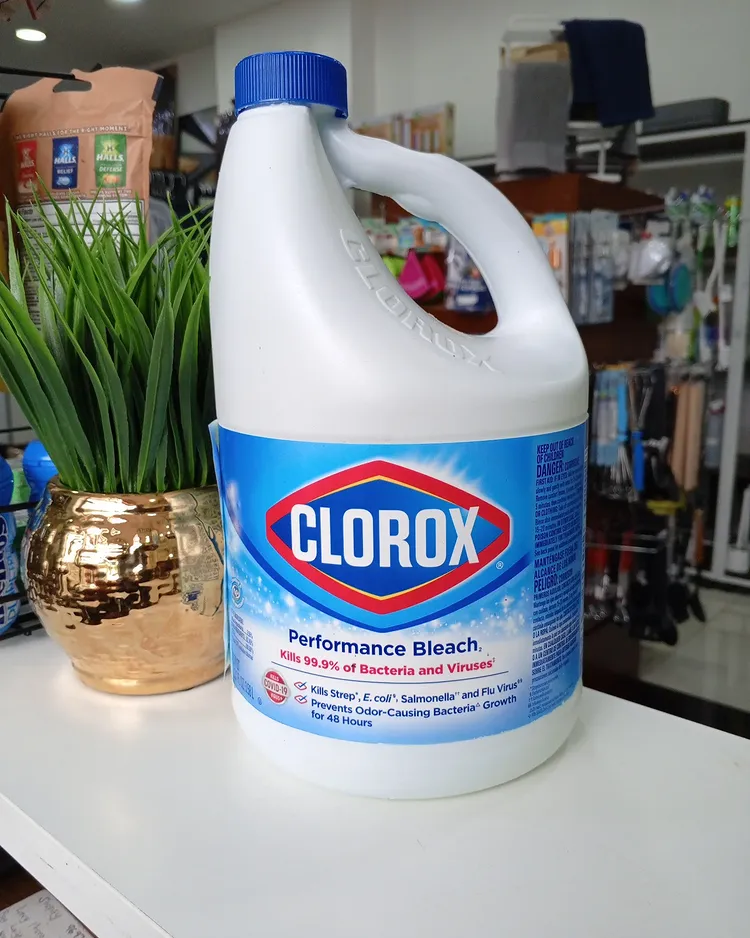
The Step-by-Step “Protocol” for Using Clorox
If you decide that Clorox is your chosen method, follow this protocol carefully. Treat it like a dangerous but necessary piece of tech.
What You’ll Need:
- Clorox Regular Bleach
- A bucket of cold water
- Heavy-duty rubber gloves
- Safety goggles
- A face mask or respirator
- A plastic scoop or disposable towels
The Procedure:
- Gear Up: This is non-negotiable. Put on your gloves, goggles, and mask. Bleach fumes are strong and can damage your respiratory tract and eyes.
- Create the Solution: In your bucket, create a mixture of one part Clorox bleach to one part cold water. Using hot water can cause the bleach to release more toxic chlorine gas.
- Apply Directly: Carefully pour the solution directly over the maggot infestation. You will see immediate results. For maggots in a trash can, you can fill the bottom with the solution and let it sit.
- Dispose of the Corpses: After 15-30 minutes, use a disposable scoop or towels to collect the dead maggots, seal them in a plastic bag, and place them in an outdoor trash bin.
- Ventilate the Area: Open all windows and doors. The chemical fumes need to dissipate for your safety.
Clorox vs. The Competition: A Feature Comparison Table
A good tech review always compares the options. Here’s how Clorox stacks up against other common maggot eradication “technologies.”
| Method | How It Works | Effectiveness | Key Risks & Downsides | Best For |
|---|---|---|---|---|
| Clorox Bleach | Chemical oxidation and burning | High (Instant) | Toxic fumes, damages surfaces, harmful to pets/people, unpleasant process. | Severe infestations where immediate, surface-level burning is acceptable. |
| Boiling Water | Thermal shock and scalding | High (Instant) | Risk of severe burns, can warp or damage some surfaces. | Quick, chemical-free solution on durable surfaces like concrete or metal drains. |
| Diatomaceous Earth | Abrasive powder causes dehydration | High (24-48 hrs) | Slow-acting, requires dry conditions, inhalation irritant. | Long-term, preventative control in dry areas like basements or attics. |
| Vinegar / Lemon | Creates an acidic, inhospitable environment | Low to Moderate | Not a direct killer; more of a repellent. Requires cleaning. | Deterring flies from laying new eggs after an infestation is cleared. |
| Commercial Insecticide | Neurotoxins target insect biology | Very High | Can be highly toxic, requires careful reading of labels, overkill for small issues. | Large-scale outdoor or agricultural infestations. |
The Critical “User Warning”: Why Clorox Isn’t Always the Answer
While effective, using Clorox comes with significant “bugs” in its operational system:
- It Doesn’t Address the Root Cause: Maggots mean there is a food source (rotting meat, pet waste, etc.). Bleach kills the current maggots but does nothing to remove the attractant. Flies will simply lay new eggs.
- Surface Damage: Bleach will discolor and damage fabrics, wood, and many metals. Never use it on porous surfaces you want to preserve.
- Extreme Hazard: The fumes are dangerous for you, your children, and your pets. Mixing bleach with any other cleaner (especially ammonia) creates lethal chlorine gas.
The Final Verdict: A More Elegant Solution
So, will Clorox kill maggots? Absolutely. It’s a brutally effective, last-resort option.
However, the most efficient and “elegant” technological solution is a combination of physical removal and source elimination.
- Physical Removal: Put on gloves and simply scoop the maggots into a sealed plastic bag. It’s immediate, chemical-free, and 100% effective.
- Sanitize the Area: After physical removal, use a bleach solution (diluted, as above) or a strong disinfectant to sanitize the area and kill any remaining bacteria. This is where bleach shines—as a disinfectant, not a primary weapon.
- Eliminate the Source: Find and remove the rotting organic matter that attracted the flies. Take out the trash, clean up pet waste, and ensure your space is clean. This is the ultimate “patch” to prevent a recurring bug.
By understanding the tools at your disposal, you can choose the most effective, safest, and smartest strategy to keep your home bug-free.