The Ultimate Guide to Eliminating Gnats with Vinegar and Dish Soap
Tiny, buzzing, and endlessly annoying—gnats can turn your peaceful kitchen or living room into a no-fly zone of frustration. While store-bought insecticides are an option, many are turning to a safer, cheaper, and remarkably effective homemade solution: the dynamic duo of vinegar and dish soap.
This powerful combination leverages simple science to tackle your gnat problem head-on. If you’re tired of swatting at these pesky insects, this guide will walk you through everything you need to know.
Why Vinegar and Dish Soap is a Gnat’s Worst Nightmare
At its core, this method is a deadly trap disguised as an attractive treat. It works by exploiting the natural behaviors of gnats, particularly fruit flies and fungus gnats.
- The Bait (Vinegar): Apple cider vinegar is the star here. As fruits ferment, they release a sweet, acidic scent that is irresistible to fruit flies. The vinegar perfectly mimics this aroma, luring the gnats in with the promise of a meal.
- The Killer (Dish Soat): This is where the trap gets clever. Dish soap breaks the surface tension of the liquid. Surface tension is what allows light insects to land and walk on water. When you add dish soap, this tension is destroyed. When a gnat lands on the vinegar, it immediately sinks and drowns, unable to escape.
As pest control expert, Dr. Eleanor Vance, explains: “The vinegar and soap trap is a classic example of integrated pest management. It’s a highly targeted approach that uses the insect’s own biology against it, providing effective control without introducing harsh chemicals into your home environment.”
How to Make Your Own Gnat Trap: A Step-by-Step Guide
Creating this trap is incredibly simple and requires only items you already have in your kitchen.
What You’ll Need:
- A small bowl or jar (a used cup or mug works perfectly)
- Apple cider vinegar (white vinegar can work in a pinch)
- Liquid dish soap (any brand will do)
- Plastic wrap (optional, for a more potent trap)
The Standard Method:
- Pour: Add about 1/2 cup of apple cider vinegar into your bowl or jar.
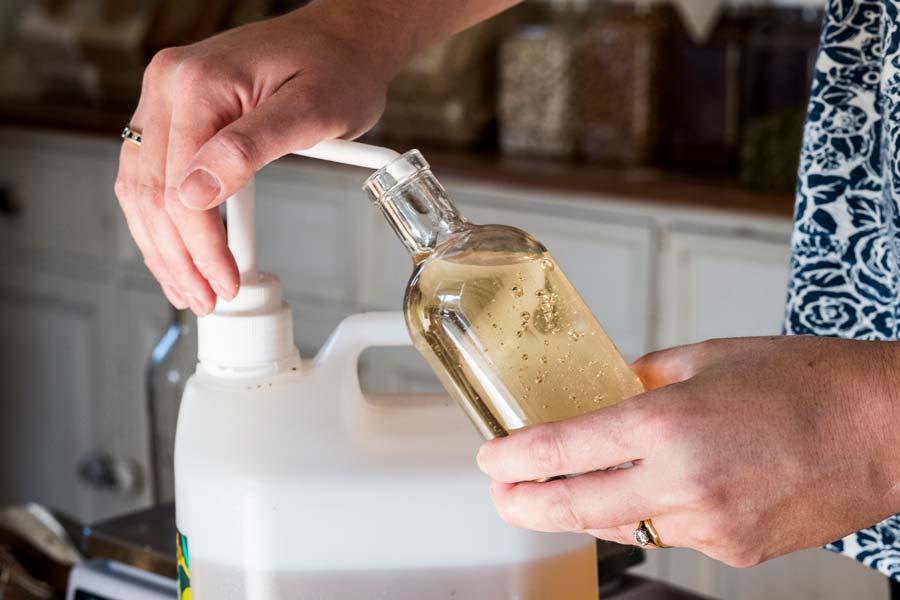
- Add Soap: Add a few drops of dish soap—around 5-6 drops is plenty. Do not stir vigorously, as you want to preserve some of the bubbles.
- Place: Set the trap in areas where you see the most gnat activity, typically near fruit bowls, kitchen sinks, or houseplants.
The Enhanced Method (with Plastic Wrap):
- Follow steps 1 and 2 from the standard method.
- Tightly cover the top of the container with plastic wrap.
- Use a toothpick to poke several small holes in the plastic. The holes should be just big enough for gnats to enter but make it difficult for them to find their way out.
- Place the trap. This method creates a more secure “labyrinth” for the gnats.
Vinegar & Dish Soap vs. Other Common Methods
How does this homemade remedy stack up against other gnat control strategies? The following table provides a clear comparison.
| Method | Cost | Effectiveness | Safety (Pets/Children) | Best For |
|---|---|---|---|---|
| Vinegar & Dish Soap Trap | Very Low (Uses household items) | High for adult gnats | Very High (Non-toxic) | Quick, safe, and targeted elimination of flying adults. |
| Commercial Gnat Sprays | Medium to High | High (instant) | Low (Chemical fumes) | Severe infestations where immediate knockdown is needed. |
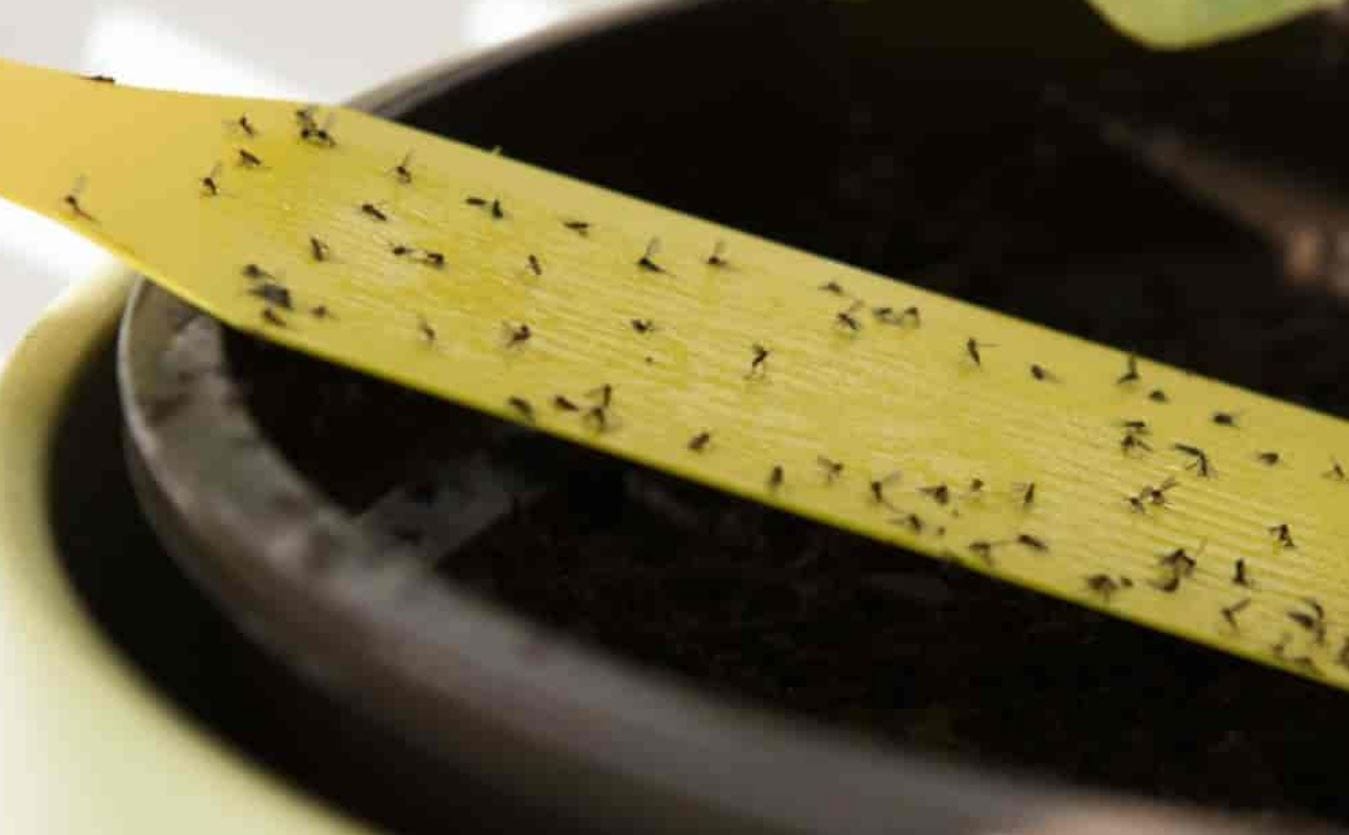
| Sticky Traps (Yellow Sticks) | Low | Medium for adult gnats | High (Physical barrier) | Monitoring and controlling fungus gnats around houseplants. |
| Addressing the Source | Free | Essential for Long-Term Control | Very High | Eliminating breeding grounds (overwatered soil, rotting fruit). |
As the table illustrates, the vinegar and soap trap offers an unbeatable combination of cost, safety, and effectiveness for dealing with the adult flying population.
Beyond the Trap: A Holistic Approach to a Gnat-Free Home
A trap alone won’t solve a major infestation. To achieve lasting results, you must attack the problem at its source.
- Identify the Gnat: Is it a Fruit Fly (tan, attracted to fruit) or a Fungus Gnat (black, attracted to moist soil)? This determines your next step.
- Eliminate Breeding Grounds:
- For Fruit Flies: Discard overripe fruits and vegetables. Take out the trash regularly and clean recycling bins. Wipe down counters to remove any sticky residues.
- For Fungus Gnats: Let the top layer of soil in your houseplants dry out completely between waterings. This kills the larvae in the soil.
- Create a Defense: Place a vinegar and soap trap near identified problem areas as a first line of defense and to monitor the situation.
Final Verdict
The vinegar and dish soap gnat trap is more than just a folk remedy; it’s a scientifically sound, efficient, and safe solution for a common household problem. By combining this simple trap with diligent source control, you can reclaim your space from these pesky invaders.
So before you reach for a chemical spray, try this powerful pantry solution. You might be surprised at how effectively a little vinegar and soap can restore your peace.