Why Is My Floor Sticky After Mopping? An Expert Guide to a Squeaky-Clean Finish
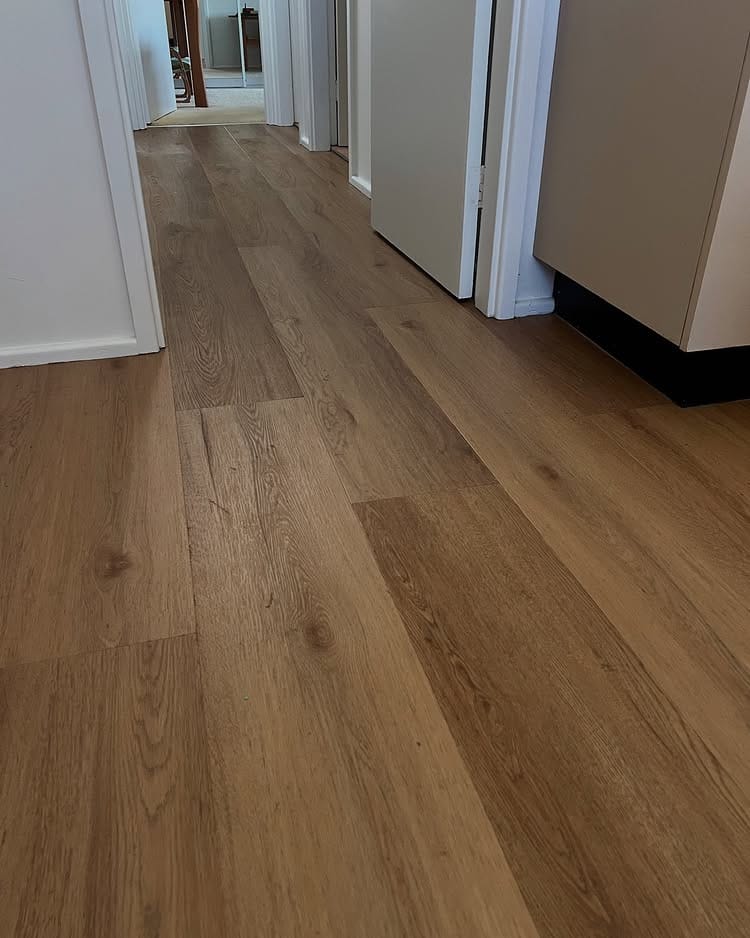
There are few household frustrations as universal as spending time and energy mopping your floor, only to have it feel sticky and tacky underfoot. Instead of a satisfyingly clean surface, you’re left with a floor that seems to attract every speck of dust and pet hair in the vicinity.
If this sounds familiar, don’t blame your mopping skills just yet. A sticky floor is almost always a symptom of a simple, correctable mistake. This expert guide will walk you through the most common causes and provide clear, actionable solutions to ensure your floors are left perfectly clean and residue-free.
The Usual Suspects: Top Reasons for a Sticky Floor
The feeling of stickiness is caused by a residue left on the floor after the water and cleaning solution has evaporated. Pinpointing the source of that residue is the first step to solving the problem.
1. Using Too Much Cleaning Product
This is, by far, the most common culprit. We often operate under the “more is better” assumption, but with floor cleaners, this is a recipe for disaster.
Mike Peterson, a certified cleaning technician, explains: “Most modern floor cleaners are designed to be used in a highly diluted form. Using too much concentrate means the surfactants and cleaning agents can’t be fully rinsed away. As the water evaporates, they form a sticky, polymer-like film on your floor.”
2. Improper Rinsing (The “One-Bucket” Problem)
Using a single bucket for both washing and rinsing is a major cause of residue. You are essentially spreading dirty, soapy water back onto the floor with each dip of the mop.
3. Dirty Mop or Bucket
If you start with a dirty mop, you’re just redistributing old grime and sticky residue. A mop head that hasn’t been thoroughly cleaned (or a dirty mop bucket) will sabotage your cleaning efforts from the very beginning.
4. Hard Water Complications
If you have hard water (water with a high mineral content), the minerals can react with your soap or detergent to form “soap scum” – the same film you find in your bathtub – right on your floor.
5. The Dirt Wasn’t Removed First
Mopping is designed to clean the surface, not remove heavy debris. If you mop over a floor that hasn’t been swept or vacuumed thoroughly, you are creating a muddy, sticky slurry that gets pushed around and then dries into a film.

The Solution: A Step-by-Step Action Plan for Residue-Free Floors
Follow this professional method to banish stickiness for good.
Step 1: Dry Clean First
Always sweep or, better yet, vacuum your floor thoroughly to remove loose dirt, dust, and hair. This is the most critical prep step.
Step 2: Dilute Your Cleaner Correctly
Read the manufacturer’s instructions on your cleaning product and measure carefully. When in doubt, use less cleaner than recommended. For many floors, a simple mixture of 1 gallon of hot water with 1/4 cup of white vinegar can be an excellent, residue-free cleaning solution.
Step 3: Adopt the Two-Bucket System
Upgrade your technique:
- Bucket 1: Contains your properly diluted cleaning solution.
- Bucket 2: Contains clean, hot water for rinsing.
The process: Mop a small section with the cleaning solution, then dip the mop in the rinse bucket, wring it out, and go over the same section to rinse away the residue.
Step 4: Clean Your Tools
Start every mopping session with a clean mop head and a sanitized bucket. If your mop is machine washable, run it through a hot cycle. Let mops air dry completely to prevent mildew.
Step 5: Change Your Water Frequently
If the water in either bucket becomes visibly dirty, change it immediately. Mopping with dirty water is counterproductive.
Cleaning Product Comparison: Choosing the Right Solution
The type of cleaner you use plays a significant role. Here’s a quick comparison:
| Cleaning Solution | Best For | Pros | Cons & Stickiness Risk |
|---|---|---|---|
| Commercial Floor Cleaner | Sealed Hardwood, Laminate, Vinyl, Tile | Formulated for specific surfaces; often includes degreasers. | High risk if over-poured. Can leave a polymer film. |
| White Vinegar & Water | Tile, Vinyl, sealed Linoleum | Cheap, natural, disinfects, leaves no residue. | Low risk. Not recommended for unsealed stone or waxed wood floors. |
| Ammonia & Water | Greasy, sealed surfaces like Vinyl | Excellent for cutting through tough grease and grime. | Medium risk. Strong fumes; must be thoroughly rinsed to avoid residue. |
| Plain Hot Water | All floor types for light cleaning | Zero risk of residue; great for daily maintenance. | Does not disinfect or cut through grease. |
Troubleshooting a Sticky Floor: The Quick Fix
If your floor is already sticky, don’t just re-mop it with the same method. Here’s how to fix it:
- Strip the Residue: Fill a bucket with hot water and one cup of white vinegar. The acidity helps break down the alkaline soap residue.
- Mop and Rinse: Using the two-bucket system (one with the vinegar solution, one with clean water), go over the entire floor. The vinegar solution will cut through the film, and the clean water will rinse it away.
- Dry Thoroughly: Use a clean, dry microfiber cloth or towel to dry the floor completely. This prevents any remaining moisture from attracting new dirt and ensures a streak-free, non-sticky finish.
Final Expert Takeaway
A sticky floor is a clear message from your home: the cleaning process needs a tweak. By focusing on proper dilution, thorough rinsing, and clean tools, you can easily overcome this common issue. Ditch the guesswork, embrace the two-bucket method, and step confidently onto a floor that is truly, satisfyingly clean.