Are Pitbulls Hypoallergenic? The Ultimate Guide for Allergy Sufferers
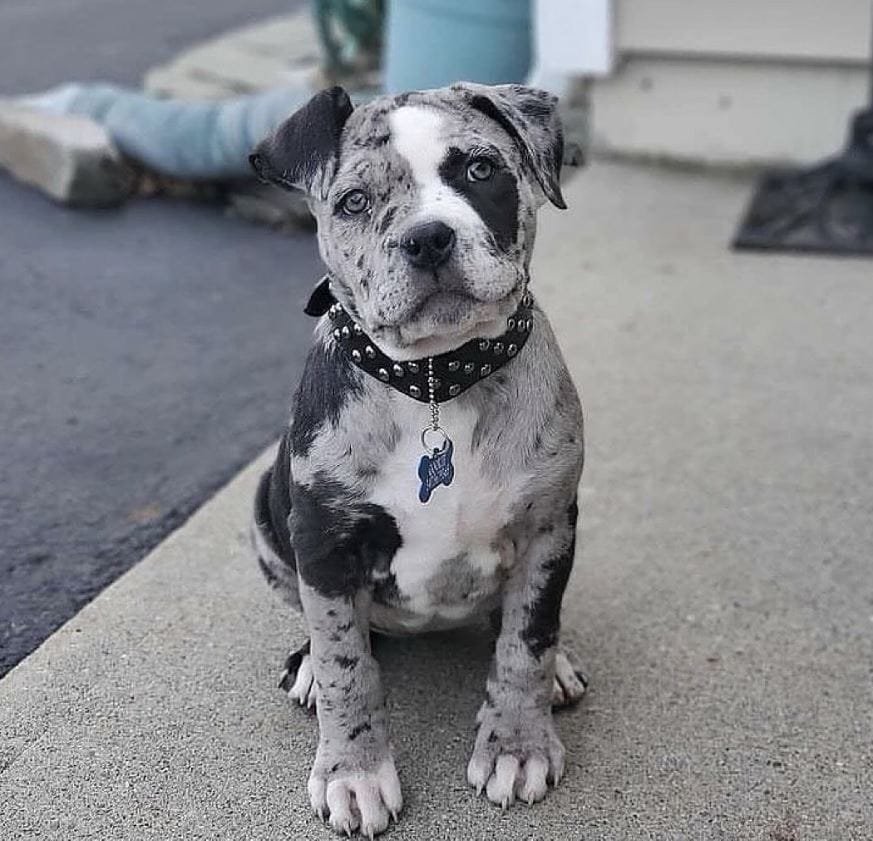
If you’re an allergy sufferer who loves dogs, you’ve likely asked the question: “Are Pitbulls hypoallergenic?” The short and direct answer is no, Pitbulls are not considered a hypoallergenic dog breed.
For individuals with dog allergies, welcoming a new furry friend requires careful consideration. In this comprehensive guide, we’ll debunk the myths, explore the science behind pet allergies, and provide a clear comparison to help you make an informed decision.
Understanding the Real Cause of Dog Allergies
Many people mistakenly believe that dog hair is the primary culprit for allergic reactions. In reality, most allergies are triggered by proteins found in a dog’s:
- Dander (Dead Skin Cells): This is the most common allergen. Microscopic flakes of skin are shed into the environment.
- Saliva: When a dog licks its fur, the allergenic proteins in its saliva dry and become airborne.
- Urine: Proteins in urine can also trigger reactions, especially when cleaning accidents.
Because Pitbulls have fur and skin, they produce all of these allergens. Dr. Sarah Wooten, DVM, explains, “There is no such thing as a 100% hypoallergenic dog. All dogs produce dander, saliva, and urine. However, some breeds produce fewer allergens or have coats that trap the dander better than others, making them a better fit for some allergy sufferers.”
The Pitbull’s Coat and Shedding Profile
Pitbulls are known for their short, single-layer coat. While their fur is low-maintenance and doesn’t require professional grooming, it is not non-shedding.
- Shedding Frequency: Pitbulls are moderate shedders year-round and can have heavier “blowing coat” seasons typically in the spring and fall.
- Dander Dispersal: Because their coat is short and stiff, the dander and hair they shed can easily become embedded in carpets, furniture, and fabrics, and is easily kicked back into the air when disturbed.
This consistent shedding pattern directly contributes to the presence of allergens in the home.
Pitbulls vs. Known Hypoallergenic Breeds: A Comparison
What makes a breed “hypoallergenic” is often its coat type. Breeds marketed as such typically have hair that grows continuously (like human hair) or a unique texture that traps dander close to the body, preventing it from spreading as easily into the environment.
The table below clearly illustrates the differences between a Pitbull and breeds commonly considered hypoallergenic.
| Feature | Pitbull | Poodle (Example Hypoallergenic Breed) | Bichon Frise (Example Hypoallergenic Breed) |
|---|---|---|---|
| Hypoallergenic | No | Yes | Yes |
| Coat Type | Short, single-layer, stiff | Curly, dense, continuously growing | Soft, curly, double-layer |
| Shedding Level | Moderate | Low to Non-Shedding | Low to Non-Shedding |
| Dander Trapping | Low (dander is released easily) | High (dander is trapped in curls) | High (dander is trapped in dense coat) |
| Grooming Needs | Low (weekly brushing) | High (frequent professional grooming) | High (frequent professional grooming) |
| Allergen Spread | High (via shed hair and dander) | Lower (allergens released during grooming) | Lower (allergens released during grooming) |
As a seasoned dog trainer, Mark Thompson notes, “Choosing a dog is about lifestyle compatibility. A Pitbull is a wonderful, loyal companion, but its grooming needs and allergen production are very different from a Poodle’s. Allergy-prone families must prioritize this factor above all else.”
Tips for Living with a Pitbull if You Have Mild Allergies
While not hypoallergenic, some individuals with mild allergies may successfully live with a Pitbull by implementing a rigorous management routine.
- Frequent Brushing: Brush your Pitbull outside at least 2-3 times per week to capture loose fur and dander before it spreads inside your home.
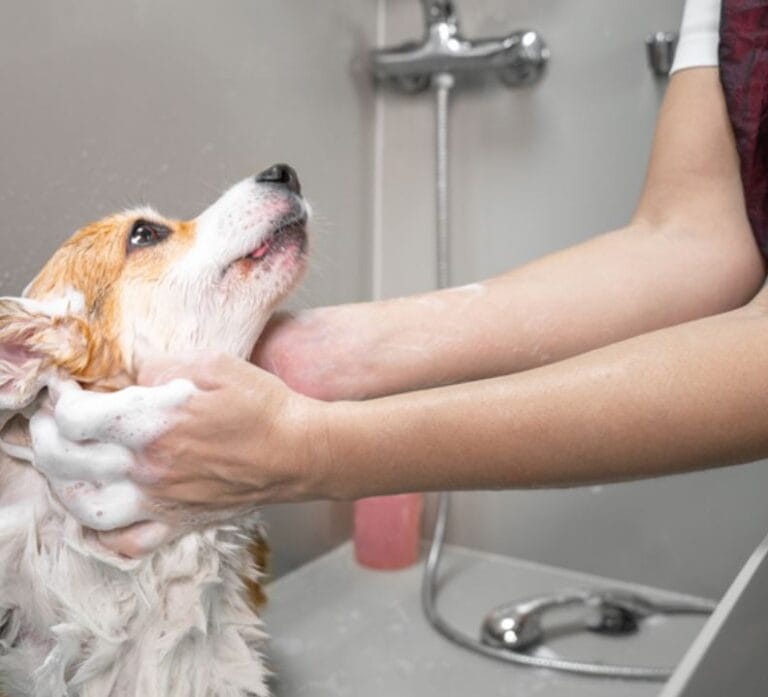
- Regular Bathing: Bathing your dog every 4-6 weeks with a dog-safe, hypoallergenic shampoo can help wash away dander and saliva buildup.
- Invest in an Air Purifier: Use a high-efficiency particulate air (HEPA) purifier in the rooms where your dog spends the most time to remove airborne allergens.
- Establish Pet-Free Zones: Make your bedroom a sanctuary by keeping it a strict no-dog zone. This gives your immune system a break each night.
- Clean Vigorously: Vacuum frequently with a HEPA-filter vacuum cleaner and wash your dog’s bedding, your blankets, and soft furniture covers regularly in hot water.
Final Verdict: Should You Get a Pitbull?
If you or a family member has moderate to severe dog allergies, a Pitbull is likely not the right breed for your household. The constant presence of dander and shed hair will be a significant challenge to manage.
However, for those with very mild allergies who are committed to a strict cleaning and grooming regimen, it might be possible. The best course of action is to spend extended time with a Pitbull before bringing one home to see how your body reacts.
Ultimately, while Pitbulls are incredibly loving, loyal, and intelligent companions, their genetic makeup does not align with the needs of an allergy-free home. By understanding the facts, you can choose a pet that ensures both a happy home and healthy lungs.