The Ultimate Guide: How to Clean Cultured Marble and Restore Its Shine

Cultured marble is a popular and beautiful choice for bathroom vanities, showers, and countertops. It’s a durable blend of crushed marble dust and polyester resins, sealed with a protective gel coat that gives it a non-porous, glossy finish. However, improper cleaning can quickly dull that shine. This definitive guide will teach you how to clean cultured marble safely and effectively, keeping it looking brand new for years to come.
What is Cultured Marble? Understanding Your Surface
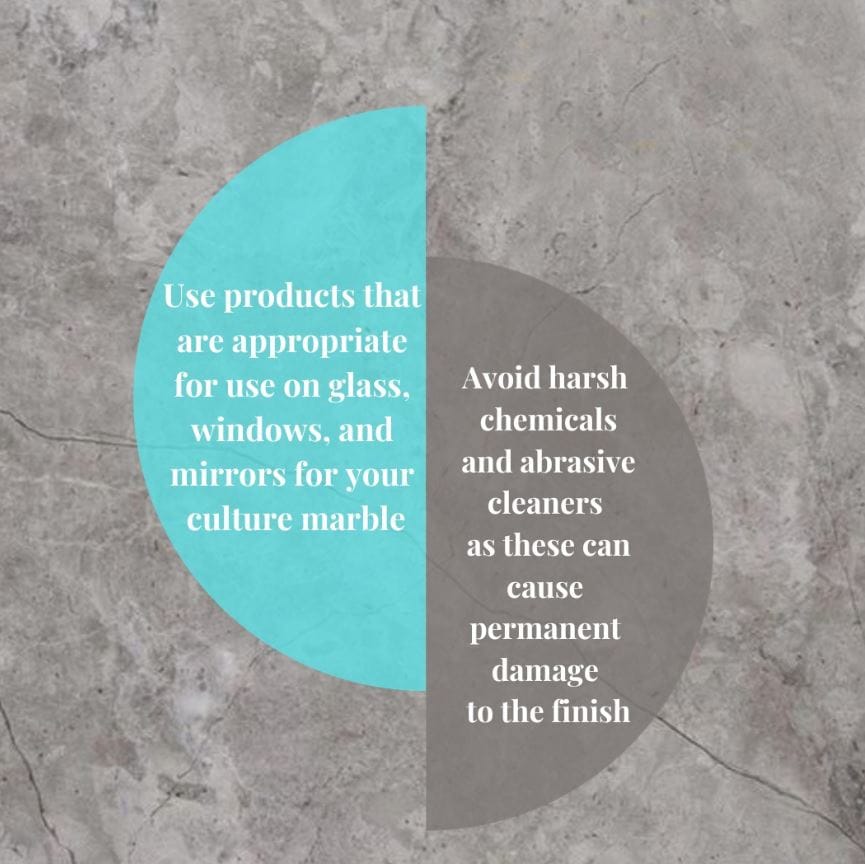
Before you grab a cleaner, it’s crucial to know what you’re working with. Cultured marble is not natural stone. Its strength and shine come from a top layer of clear gel coat. Harsh chemicals and abrasive tools are the arch-enemies of this gel coat. Once it’s scratched or etched, the damage is often permanent and requires professional polishing to fix.
Quote from a Industry Pro: “The number one mistake people make is treating cultured marble like natural stone or ceramic tile. That gel coat is sensitive. Your goal is to clean without degrading that protective layer.” – John Mason, Certified Surface Restoration Specialist
Your Cultured Marble Cleaning Toolkit: What’s Safe and What’s Not
Having the right supplies is half the battle. Here’s a quick checklist of what you should and shouldn’t have in your arsenal.
Safe and Effective Cleaning Solutions
- Dish Soap (Mild): A few drops of a gentle, non-abrasive dish soap in warm water is your go-to for daily and weekly cleaning.
- Isopropyl Alcohol (Rubbing Alcohol): Excellent for disinfecting and tackling soap scum without harming the gel coat.
- Baking Soda Paste: A non-abrasive paste made from baking soda and water is perfect for tackling tougher stains.
- Soft Cloths & Sponges: Microfiber cloths are ideal. Always use soft, non-scratch materials.
- Magic Eraser-type Melamine Sponges: Use with caution and only on stubborn spots with plenty of water. They are micro-abrasive.
The Danger Zone: Cleaners to Avoid at All Costs
The following products will permanently damage the gel coat, causing etching, cloudiness, and discoloration.
| Cleaner Type | Why It’s Harmful |
|---|---|
| Vinegar & Lemon Juice | The acids etch and dull the gel coat, destroying the shine. |
| Abrasive Cleaners (e.g., Comet, Soft Scrub) | They create fine scratches, making the surface look permanently cloudy. |
| Hard Scouring Pads | Steel wool or green scouring pads will leave deep, visible scratches. |
| Ammonia-Based Cleaners | Too harsh; can break down the gel coat over time and cause yellowing. |
| Glass Cleaners | Many contain ammonia or solvents that can be too aggressive. |
The Step-by-Step Guide to Cleaning Cultured Marble
Follow this simple process for a sparkling, damage-free clean.
Step 1: The Daily Wipe-Down
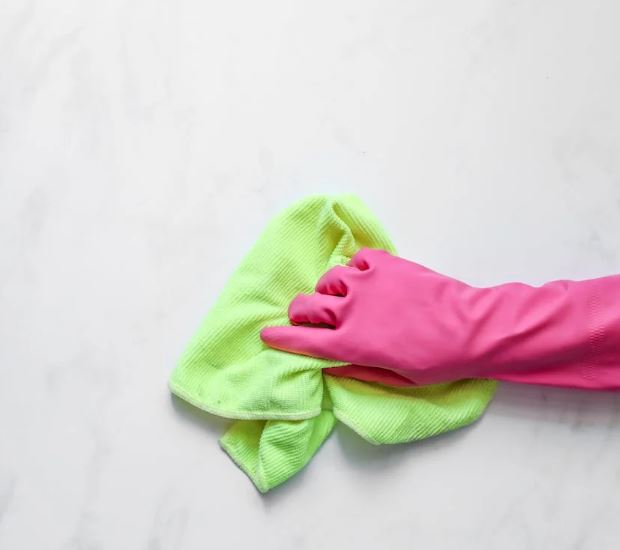
For everyday maintenance, simply use a soft, damp microfiber cloth to wipe away toothpaste, dust, and water spots. This prevents buildup and keeps your surface looking fresh with minimal effort.
Step 2: The Weekly Deep Clean
This is your standard cleaning routine for a thorough clean.
- Clear the Surface: Remove all items from your vanity or countertop.
- Rinse with Water: First, rinse the surface with plain warm water to loosen debris.
- Use a Mild Soap Solution: Mix a few drops of dish soap into a bowl of warm water.
- Wipe Gently: Using a soft cloth or sponge, wipe the entire surface in a circular motion. Pay extra attention to the sink bowl and faucet areas.
- Disinfect (Optional): For disinfecting, spray a 50/50 solution of water and isopropyl alcohol. Let it sit for a minute, then wipe.
- Rinse Thoroughly: This is a critical step! Soap residue will create a dull film. Rinse the entire surface with clean water.
- Dry Completely: Use a dry, soft microfiber cloth to buff the surface to a streak-free shine.
Step 3: Tackling Tough Stains and Soap Scum
For dried-on soap scum, hard water stains, or cosmetic stains, you need a slightly stronger approach.
- Create a Baking Soda Paste: Mix baking soda with a small amount of water until it forms a spreadable paste.
- Apply the Paste: Spread the paste directly onto the stained area.
- Let it Sit: Allow it to sit for 5-10 minutes. The baking soda will gently lift the stain.
- Gently Scrub: Using a soft cloth, gently scrub the area. The paste provides just enough grit without being abrasive.
- Rinse and Dry: Rinse the area completely with water and dry with a microfiber cloth.
Pro Tip: “For a really stubborn ring in the sink, a melamine sponge (like a Mr. Clean Magic Eraser) can work wonders. Just make sure the surface and the sponge are soaking wet, and use a very light touch. It’s a last resort, not a regular tool.”
Cultured Marble Care and Maintenance: Keeping the Shine
Cleaning is only one part of the equation. Proper care will extend the life and beauty of your cultured marble.
- Use Coasters and Trays: Always use coasters under glasses and trays for toiletries to prevent contact with harsh chemicals in perfumes and lotions.
- Wipe Up Spills Promptly: While the surface is non-porous, acidic spills (like wine or nail polish remover) can cause damage if left sitting.
- Never Sit or Stand on Your Vanity: Cultured marble can crack under extreme, concentrated weight.
- Consider a Cultured Marble Polish: For an extra boost of shine every 6-12 months, you can use a polish specifically formulated for cultured marble or acrylic surfaces.
Your Cultured Marble Cleaning Questions Answered
Q: Can you use vinegar to clean cultured marble?
A: No, absolutely not. Vinegar is acidic and will chemically etch the gel coat, leaving permanent dull spots. This is the most common cause of damage.
Q: How do you remove hard water stains from cultured marble?
A: Start with a baking soda paste. If that doesn’t work, a melamine sponge (used gently with plenty of water) can be effective. For prevention, daily drying after use is the best strategy.
Q: My cultured marble is dull and scratched. Can it be fixed?
A: Minor surface scratches can sometimes be polished out by a professional. However, deep scratches or etching that has penetrated the gel coat may require a complete resurfacing or, in severe cases, replacement.
By following these simple guidelines, you can easily maintain the luxurious appearance of your cultured marble. Remember: gentle is the key. Treat it with care, and your cultured marble surfaces will reward you with a lifetime of beauty and durability.