How Families Create Calm in Busy Spaces Without Losing Comfort
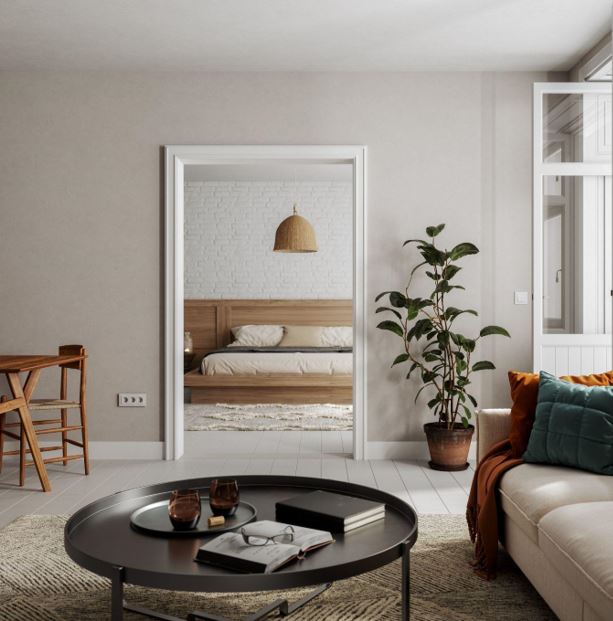
Family life tends to be a constant activity, commotion, and daily grind that makes a house seem cramped. But a tranquil space does not have to equal a silent space—it’s about making a setting in which everybody can operate comfortably despite being overwhelmed. Small, conscientious decisions can make busy spaces seem more expansive and welcoming.
When comfortable and ordered are equal priorities, daily ease has a footing. It isn’t necessary to make huge renovation or costly alterations. It’s done, instead, in subtle shifts in composition, storage, and function. It’s possible to have a well-framed environment that gives both order and warmth and makes the family comfortable and still provides space to absorb daily life.
Why Busy Spaces Feel Overwhelming
When every corner of a home is filled, even the smallest task can start to feel like a challenge. A cluttered environment creates visual noise, which makes it harder to relax or focus. Many families keep things “just in case,” but these unused items can quickly take up valuable living space. Organizing what truly matters and using smart solutions like storage units climate control for belongings that aren’t needed daily can make the home feel lighter and more peaceful.
Myth vs reality: Many people believe that holding on to everything means more security and comfort. In reality, excess stuff often adds stress. A well-organized home with only what’s truly useful creates more room to breathe and live fully, without sacrificing comfort or memories.
When busy spaces are managed with care, they stop feeling like obstacles and start working for the family. Even small adjustments can create a calmer flow throughout the home.
Small Shifts with Big Impact
Calm doesn’t always come from massive changes. Often, it begins with small, thoughtful shifts. Clearing surfaces, rearranging furniture, or creating small dedicated zones for activities can instantly make a space feel more welcoming. It’s about setting boundaries for where things belong and giving each area a clear purpose.
Families that focus on manageable adjustments find it easier to keep up with daily routines. These small habits build over time, turning hectic spaces into steady, supportive environments. A home organized with intention can remain cozy without feeling crowded, even when life gets busy.
Smart Ways to Keep Order
Creating a calm and organized home often raises a few practical questions. Many families wonder how to balance structure with comfort without making their living space feel stiff or overly controlled.
How can I make my home feel more spacious without moving?
Start by decluttering and rearranging what you already have. Sometimes moving furniture to open up pathways or removing excess décor can completely change how a space feels.
What’s the best way to store items I don’t need every day?
Choose organized, dedicated storage solutions. Use labeled bins or baskets, and place less-used items in safe spaces like a closet or storage unit to keep your main living areas light and open.
Can organization still feel warm and cozy?
Yes. Organization isn’t about perfection—it’s about making your space work for you. Adding soft textures, warm lighting, and personal touches keeps order from feeling sterile.
These small, clear actions can help a home feel calm and inviting without losing the heart that makes it special.
Cozy Without Clutter
Keeping a home calm doesn’t mean stripping away everything cozy. It’s about finding practical ways to make space feel both functional and warm. Simple habits build a lasting sense of comfort and ease.
Fast actionable tips:
- Use baskets and bins to reduce visual clutter.
- Keep surfaces clear except for meaningful items.
- Create dedicated spaces for daily essentials.
- Rearrange furniture to open up pathways.
- Add soft lighting to make spaces feel inviting.
Common mistakes to avoid: Filling spaces with unnecessary décor, letting items pile up on surfaces, and skipping daily resets can quickly turn cozy corners into stressful zones. Thoughtful organization helps keep comfort and calm in balance every day.
Real Family Approaches
A young family of four complained how they had been able to turn their bustling living room into a tranquil, functional area which they did not have to relinquish the coziness that they adored. Their sitting room was a mess of toys, books, and day-to-day necessities strewn everywhere. Rather than undertaking a complete makeover, they undertook a step-by-step approach: sifting out the essentials, zones for zones, and a daily 10-minute reset schedule for the entire family.
In a month, their family room became significantly quieter. Their children sat still a little better during playtime, and family evenings became easier evenings. What helped the most wasn’t costly furniture but clear guidelines about how the space was to be used.
Pros and cons: A well-structured family area instills a sense of relaxation, supports a better daily rhythm, and reinforces feelings of emotional well-being. Disorganization can cause constant stress, distraction, and end-of-rope feelings among everybody in the household.
Their experience demonstrates that it’s possible to create calm in activity-filled areas without having to sacrifice comfort. Rather, it’s a matter of making use of what you already have more thoughtfully. With some subtle refinements, daily family areas can become refuge areas of ease and togetherness.
Calm That Lasts Over Time
Calm spaces support busy families by making daily routines smoother and stress levels lower.
The balance of organization and warmth helps everyone feel more at ease, no matter how hectic life gets.
How families create calm in busy spaces without losing comfort proves that peaceful living isn’t about perfection—it’s about thoughtful choices that make life feel a little easier each day.