A Homeowner’s Conundrum: A Comprehensive Guide to Choosing the Right Appliance Repair Company
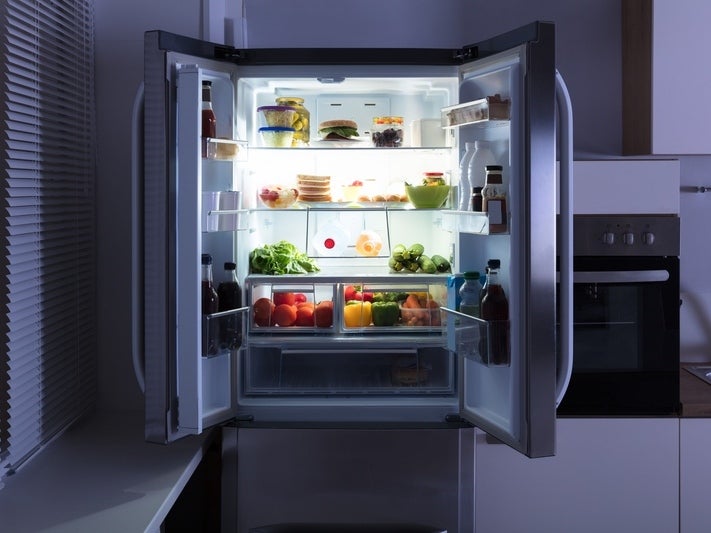
The sudden, deafening silence of a refrigerator, the disheartening sight of a pool of water beneath a dishwasher, or the unnerving grinding emanating from a washing machine constitutes a domestic emergency that disrupts the delicate equilibrium of any household. In these moments of mechanical failure, the pressing question becomes not merely about the malfunction itself, but about the individual or company you will entrust with its restoration. The decision, often made under duress, carries significant weight, impacting not only your immediate convenience but also your long-term financial outlay and the operational integrity of a substantial investment.
This comprehensive guide is designed to navigate you through the critical considerations, empowering you to make an informed and judicious choice when selecting an appliance repair company.
Scrutinizing Credentials: The Bedrock of Professional Trust
Before conceding access to your home and your ailing appliance, a rigorous verification of the company’s professional standing is an indispensable first step.
Licensing, Insurance, and Bonding: A Non-Negotiable Triad
A reputable service provider like Major Appliance Repair will unequivocally possess a valid business license, adequate liability insurance, and, where applicable, be bonded. This triad of credentials functions as a critical safety net; the insurance protects your property from accidental damage occurring during the repair process, while bonding offers a layer of financial recourse in the exceedingly rare event of malfeasance. Engaging an uninsured technician, even one offering tantalizingly low rates, exposes you to profound financial liability for any incidental damages they might cause.
The Significance of Manufacturer Certifications
While a general business license confirms the right to operate, manufacturer-specific certifications elevate a technician from a generalist to a specialist. These certifications are conferred only after technicians successfully complete rigorous training on the particular engineering, diagnostics, and safety protocols of brands like Whirlpool, LG, or Sub-Zero. Consequently, a certified technician arrives not only with a generalized toolkit but also with proprietary knowledge, specialized diagnostic software, and direct access to authentic manufacturer parts, thereby ensuring a repair that aligns precisely with the original design specifications.
Deciphering the Company’s Reputation: Beyond the Marketing Veneer
In the digital age, a company’s reputation is both its greatest asset and a transparent record for potential clients to examine. A multifaceted approach to this research is paramount.
The Art of Interpreting Online Reviews and Testimonials
A superficial glance at an aggregate star rating is insufficient; the veritable truth resides in the nuanced details of the reviews themselves. Scrutinize patterns in customer feedback, paying particular attention to comments regarding diagnostic accuracy, punctuality, professionalism, and, most critically, the durability of the repair performed. A company with a plethora of reviews mentioning “fixed the issue the first time” or “the problem has not recurred” demonstrates a commitment to lasting solutions, as opposed to temporary fixes designed to prompt a swift callback.
Leveraging the Power of Referrals and Industry Affiliations
Personal recommendations from friends, family, or neighbors remain an invaluable and inherently trustworthy resource, as they are predicated on firsthand experience. Furthermore, inquire whether the company holds affiliations with established industry organizations such as the National Appliance Service Association (NASA). While not a guarantee of quality, such affiliations often indicate a commitment to ongoing education, ethical business practices, and adherence to industry standards.

The Financial and Logistical Calculus: Transparency and Communication
Once a company has passed the initial vetting process, the focus must shift to the practicalities of service delivery, cost structure, and communication.
Understanding Pricing Models and Securing Detailed Estimates
A trustworthy company will be transparent about its pricing model from the outset. Inquire whether they charge a flat rate, a time-and-materials fee, or a diagnostic fee that is later waived if you proceed with the repair. Always insist on a comprehensive, written estimate before authorizing any work. This document should itemize the cost of labor, the specific parts required (including part numbers, if possible), and any additional trip or service fees, thereby precluding the possibility of unsettling surprises upon the invoice’s presentation.
Evaluating Warranties on Both Labor and Parts
The nature and duration of the warranty offered serve as a powerful indicator of the company’s confidence in its workmanship and the quality of the components it utilizes. A robust warranty—typically one year on labor and a concurrent warranty on parts—provides you with peace of mind, ensuring that you will not be financially penalized for a rare, premature part failure or an installation error. Be wary of companies that offer only vague assurances or exceedingly short warranty periods, as this often betrays a lack of long-term commitment to customer satisfaction.
The Critical Importance of Promptness and Professional Communication
From your initial phone call or online inquiry, gauge the company’s professionalism and responsiveness. Were your questions answered patiently and thoroughly? Was an appointment window offered promptly, and did they honor it? A company that demonstrates respect for your time and communicates clearly from the beginning is far more likely to conduct the actual repair with the same degree of professionalism and care.
Common Refrigerator Problems and Proactive Strategies for Their Prevention
The modern refrigerator, a paragon of mechanical and electrical engineering, operates with a quiet hum that often belies its critical role in our daily lives. It is only when this steadfast appliance falters—emanating unusual sounds, failing to maintain its frigid temperature, or accruing frost in places it shouldn’t—that we are abruptly reminded of our reliance on its consistent performance. While a complete breakdown necessitates a call to a professional, a significant number of common refrigerator repair issues are preventable through mindful usage and a regimen of simple, proactive maintenance. This comprehensive guide will elucidate the most frequent refrigerator failures and provide actionable advice on how to circumvent them, thereby extending the lifespan of your appliance and safeguarding the valuable contents within. https://majorappliancerepair.info/services/refrigerator-repair/
Inconsistent Temperatures and Inadequate Cooling
Perhaps the most disconcerting of all refrigerator problems is the failure to maintain a consistently cold environment, a malfunction that can lead to the rapid spoilage of perishable goods and pose potential health risks.
The Culprits Behind Temperature Fluctuations
A refrigerator that is not cooling properly can be suffering from a multitude of issues. Dirty condenser coils, often located at the back or beneath the unit, are a primary cause; when shrouded in a layer of dust and pet hair, they cannot effectively dissipate heat, forcing the compressor to overwork and impairing the entire cooling system. Furthermore, worn or damaged door gaskets create subtle breaches in the appliance’s seal, allowing warm, humid air from your kitchen to infiltrate the compartment, which in turn triggers the compressor to run incessantly in a futile attempt to reach the set temperature. A less obvious but equally critical component is the evaporator fan motor, which circulates cold air throughout the unit; if this fan becomes obstructed or fails, cold air will not reach the refrigerator section, resulting in localized warming.
Proactive Measures to Ensure Consistent Cooling
To avert these cooling failures, institute a routine of diligent maintenance. Clean the condenser coils at least twice a year using a coil brush or a vacuum cleaner with a brush attachment, ensuring unimpeded airflow and efficient heat exchange. Regularly inspect the door gaskets for any signs of cracking, rigidity, or looseness; you can test the seal by closing the door on a dollar bill—if it pulls out with little to no resistance, the gasket likely requires replacement. Make a habit of checking the evaporator fan for any obstructions, such as frozen food packages or accumulated ice, and listen for its smooth operation when the compressor is running.
Excessive Frost Buildup in the Freezer Compartment
While a certain amount of frost is inherent to the auto-defrost cycle of most modern frost-free models, an excessive accumulation indicates an underlying problem that compromises efficiency and storage space.
Decoding the Causes of Frost Accumulation
The most prevalent cause of pervasive frost is, once again, a faulty door gasket that permits moisture-laden air to enter the freezer, where it subsequently freezes on the coils and walls. In frost-free models, a malfunction in the defrost system is a common culprit; this intricate system comprises a defrost heater, a defrost thermostat, and a defrost timer or control board that collectively melt any frost that forms on the evaporator coils. Should any one of these components fail, the defrost cycle will not initiate, leading to a rapid and substantial buildup of ice that can eventually impede the evaporator fan and restrict airflow to the refrigerator.
Strategies to Prevent Frost-Related Inefficiencies
Preventing frost buildup is intrinsically linked to maintaining the integrity of the appliance’s sealed environment. Vigilantly check and clean door seals to ensure a tight closure, and educate household members against propping the door open for extended periods. To support the defrost system’s function, avoid overpacking the freezer, as this can block the internal air vents and disrupt the crucial circulation of cold air. If you suspect a failure in the auto-defrost mechanism—evidenced by a solid wall of ice in the freezer despite a functioning compressor—it is advisable to seek professional appliance repair services, as diagnosing and replacing these components requires technical expertise.
Unusual Noises: From Benign Hum to Ominous Clatter
The acoustic profile of your refrigerator provides valuable diagnostic clues, with new or intensified sounds often serving as the first indicator of a developing mechanical issue.
Interpreting the Symphony of Sounds
A buzzing noise may originate from a malfunctioning compressor or from something as simple as the refrigerator being slightly off-level, causing the cabinet to vibrate against the floor. Clicking sounds are typically associated with the start-up and shut-down of the compressor or defrost timer, though a persistent, rapid-fire clicking could signal a relay in distress. Grinding or rattling noises, however, are more ominous and frequently point to a failing compressor motor or a fan motor (either the evaporator or condenser fan) whose bearings have worn out, causing the blades to strike their housing.
Implementing a Quiet Regime Through Preventative Care
Many noise issues can be preempted through correct installation and periodic checks. Ensure your refrigerator is perfectly level by adjusting the front leveling legs, which will minimize vibrational noise and ensure proper door closure. Vacuum the area around and beneath the unit to prevent debris from being drawn into the condenser fan. Finally, make it a practice to listen attentively to your appliance; by familiarizing yourself with its normal operational sounds, you will be far more adept at identifying an anomalous noise early, when a repair is likely to be simpler and less costly.
Water Leakage and Improper Dispenser Function
Discovering a puddle of water beneath your refrigerator or dealing with a sluggish water dispenser can be a messy and frustrating experience, typically rooted in the unit’s water supply or drainage systems.
Tracing the Source of Moisture and Flow Issues
Internal clogged defrost drains are a frequent source of leakage; this drain tube allows water from the defrost cycle to flow down to a drain pan beneath the appliance, but it can become obstructed by food particles or frozen shut, causing water to back up and spill onto the floor. For models with ice makers and water dispensers, a kinked or frozen water supply line can prevent water from reaching the dispenser, while a faulty water inlet valve may fail to open, similarly disrupting the flow.
Preventative Maintenance for a Dry and Functional Appliance
To maintain a clear defrost drain, periodically flush the drain tube with a mixture of warm water and a small amount of baking soda or vinegar to dissolve any greasy or organic blockages. For refrigerators with water and ice dispensers, regularly replace the water filter according to the manufacturer’s recommended schedule, as a clogged filter not only affects taste but can also restrict flow and place undue strain on the inlet valve. Inspect the water line for kinks, especially if the refrigerator has been recently moved, and ensure the household water pressure is within the specified range for your appliance model.
By adopting these proactive and preventative measures, you transform from a passive owner into an active custodian of your refrigerator. This mindful approach not only mitigates the inconvenience and expense of untimely repairs but also guarantees that your appliance will continue to perform its vital, silent duty for many years to come.