Tile Maintenance 101: 5 Mistakes That Ruin Your Floors
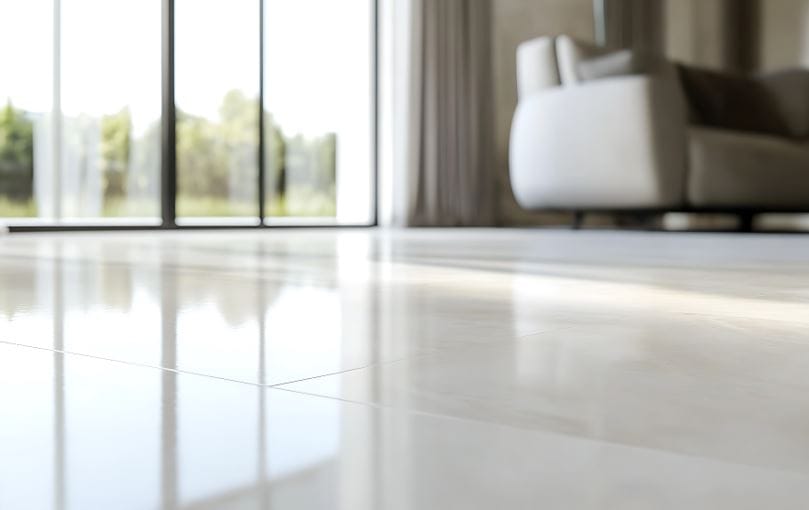
Tile flooring is one of the most reliable choices for any home. It’s durable, easy to clean, and holds up well to everyday wear. But even the strongest surface won’t last without proper care. Some habits seem harmless at first, but gradually wear down your floors and shorten their lifespan. If your tile is losing its shine or starting to show signs of damage, it’s worth looking at what may be causing it.
1. Using Harsh Cleaners
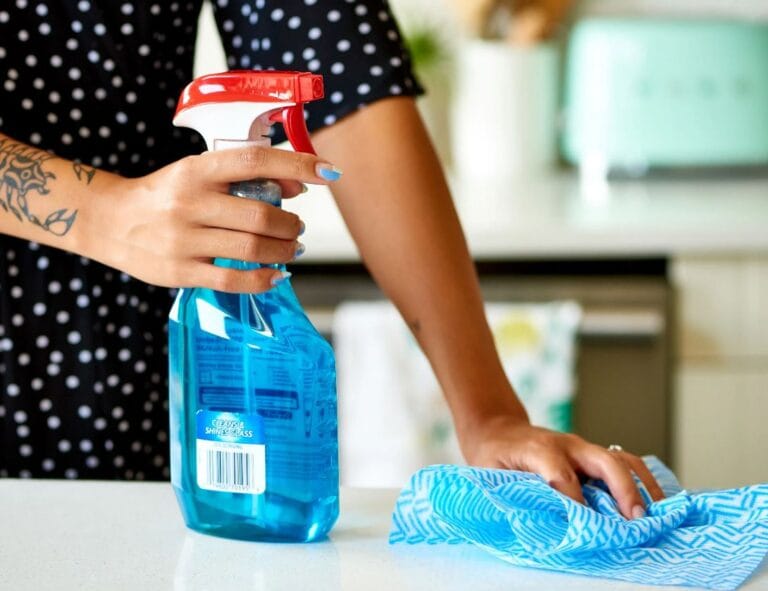
It’s common to think stronger products will get a better clean. Many people use bleach, ammonia, or acidic cleaners expecting a deeper result, but these harsh chemicals can do more harm than good. They strip away floor finishes, dull the surface, and leave behind residue that builds up over time.
Stick to a neutral pH cleaner or acid-free detergent that’s safe for tile. These options remove dirt without damaging the glaze or wearing down the surface. This matters even more with porcelain. If you’re unsure where to start, look into how to clean porcelain tile using a soft mop and a mild detergent or tile-specific cleaning solution.
Avoid combining multiple cleaning products or using too much at once. Extra cleaner doesn’t mean extra clean. It can leave behind film that attracts dirt and dulls the surface. On glazed tile, that buildup shows fast. Stick to clean water, light pressure, and damp mopping instead of soaking the floor.
2. Letting Spills Sit
Tile is water-resistant, but that doesn’t mean spills should stay on the floor. Liquids can seep into the grout joint, stain the surface, or create long-term discoloration. Acid exposure from drinks like coffee, juice, or wine is especially damaging, and ingredients like lemon juice or vinegar can etch tile if not cleaned up right away.
Always wipe spills immediately using a soft cloth. Avoid scrubbing, especially on textured surfaces, which trap dirt more easily. Whether you have ceramic tile, natural stone, or other types of tile, lingering moisture can lead to dark spots or streaking.
After wet mopping, dry the floor with a clean towel. Air drying allows water to settle in corners or seep into floor grout. Over time, this can weaken the surface and make stains harder to remove, especially on stone floors.
3. Overlooking the Grout
Grout often gets ignored, but it plays a big role in the look and condition of your flooring. It locks tiles in place, keeps out moisture, and finishes the overall appearance of the floor. When neglected, grout becomes discolored, brittle, or moldy, which affects both function and appearance.
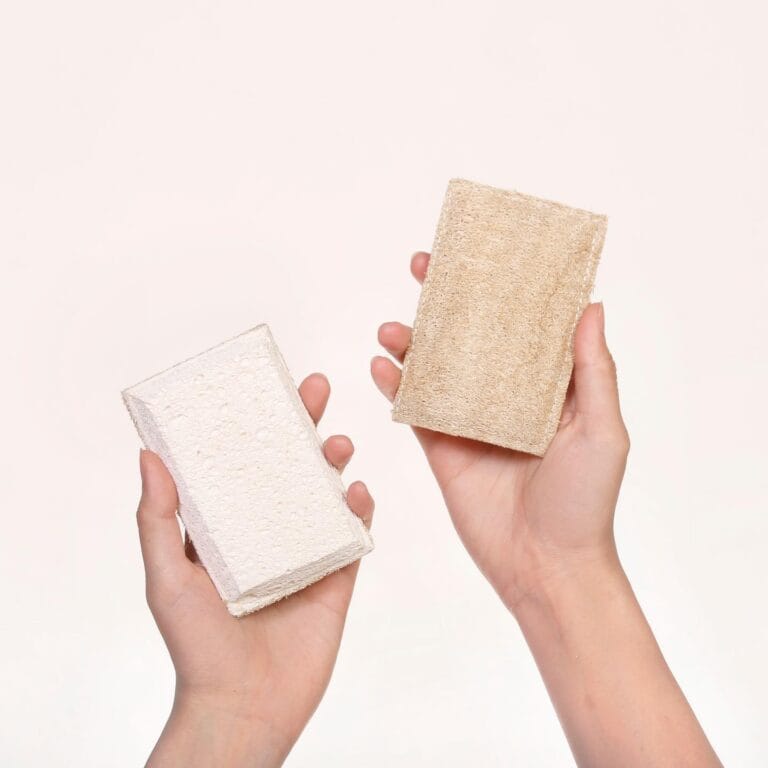
Regular cleaning helps prevent buildup. Use a soft brush and a cleaning solution designed for grout. Stay away from bleach or harsh products that can weaken the surface. If you’re dealing with color issues, a grout stain pen can help with touch-ups, but it shouldn’t replace consistent care.
Consider sealing the grout once a year. In high-traffic areas, sealing more often is better, especially if you’re using epoxy grout, which resists stains but still needs upkeep. Catching problems early protects both your tile patterns and the overall structure of the floor.
4. Dragging Furniture
Dragging heavy furniture across tile might seem harmless, but it can cause scratches, cracks, or chipped edges. It’s even more common on ceramic tile floors, where damage often shows around corners and high-use areas.
Use felt pads under all furniture legs. For heavier items, add protective sliders or place rugs down before moving anything. If possible, lift furniture to avoid scraping the tile. Even with ceramic tiles or glazed tile, dragging furniture can leave behind dull marks that are hard to clean.
Inspect pads and sliders regularly. Dirt and grit collect fast and can scratch the surface even with protection in place. A few minutes spent checking can save you from permanent damage to your floors.
5. Skipping Routine Checks
Tile doesn’t require daily upkeep, but that doesn’t mean it can be ignored. A cracked tile, missing grout, or signs of movement underfoot often start as minor concerns but lead to larger, costlier repairs.
Walk through your space every few months and look for signs of wear. Check along the edges, in high-traffic areas, and near moisture-prone zones like kitchens and bathrooms. Look for loose tiles, darkened grout, or soft spots where the floor may have shifted.
Schedule a deep cleaning twice a year. This allows you to address buildup in hard-to-reach spots and freshen up areas that daily cleaning may miss. Use baking soda and white vinegar sparingly during spot treatments, especially on grout. On ceramic tile, keep vinegar diluted and avoid it completely on stone to prevent surface damage.
In Conclusion
Tile floors are built to last, but poor habits can wear them down. The wrong cleaning products, ignored spills, or skipped inspections may not seem like much, but they make a difference over time. With the right care and maintenance, your floors will stay clean, strong, and attractive for years. Avoiding these common mistakes helps protect your investment and keeps your home looking its best.