What Type of Clothing Do They Wear in Canada? A Full Guide
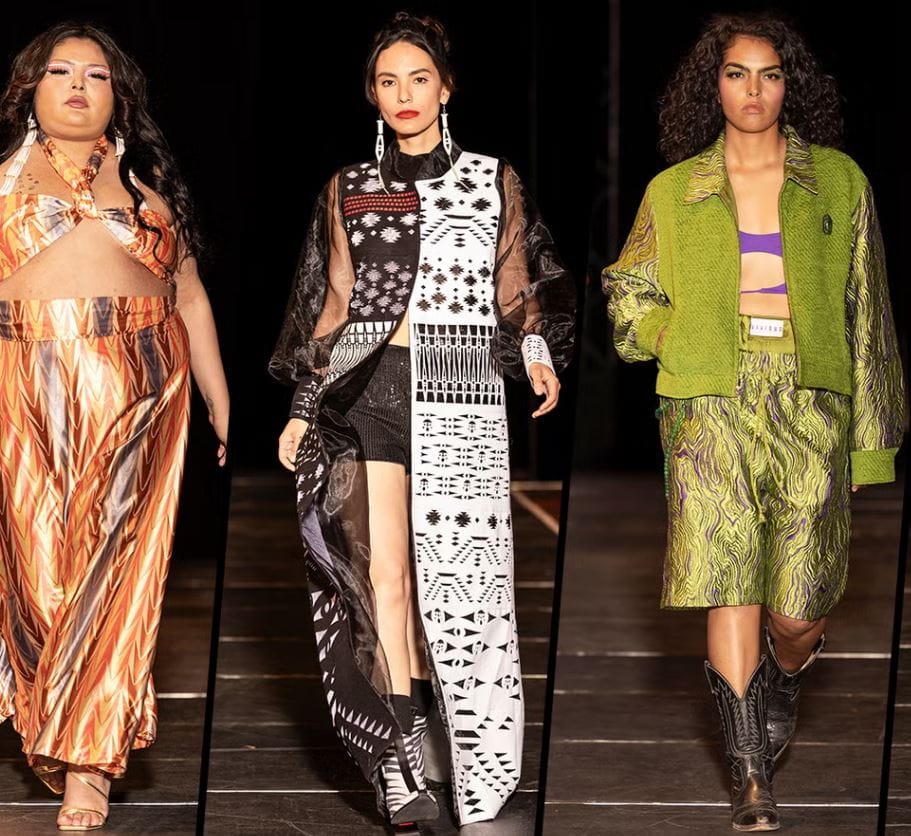
Canada is a vast and diverse country with a climate that ranges from freezing Arctic winters to warm, humid summers. As a result, Canadian fashion is highly adaptable, blending functionality with style. From the bustling streets of Toronto to the rugged landscapes of the Yukon, clothing choices vary significantly based on region, season, and cultural influences.
In this comprehensive guide, we’ll explore:
- Seasonal Clothing in Canada
- Regional Variations in Fashion
- Traditional and Indigenous Attire
- Urban vs. Rural Fashion Trends
- Popular Canadian Brands and Styles
1. Seasonal Clothing in Canada
Winter: Surviving the Cold in Style
Canada is famous for its harsh winters, especially in provinces like Alberta, Manitoba, and Quebec. Layering is essential, and Canadians rely on high-quality winter gear:
- Parkas & Heavy Coats: Brands like Canada Goose, Arc’teryx, and Mackage are popular for their insulation.
- Insulated Boots: Sorel and Kamik boots provide warmth and traction on icy sidewalks.
- Wool Sweaters & Thermal Layers: Merino wool and fleece-lined clothing help retain body heat.
- Accessories: Toques (knit hats), scarves, and mittens are must-haves.
Spring & Fall: Transitional Weather Wear
Temperatures fluctuate, so Canadians opt for versatile clothing:
- Light Jackets: Denim jackets, trench coats, and waterproof windbreakers.
- Layering Pieces: Flannel shirts, hoodies, and cardigans.
- Footwear: Ankle boots, sneakers, and waterproof shoes.
Summer: Light and Breathable Styles
In cities like Vancouver and Toronto, summers can be hot and humid:
- T-Shirts & Tank Tops: Casual and breathable fabrics.
- Shorts & Sundresses: Lightweight materials like linen and cotton.
- Sandals & Sneakers: Comfortable footwear for outdoor activities.
2. Regional Variations in Fashion
Eastern Canada (Ontario, Quebec, Atlantic Provinces)
- Urban Centers (Toronto, Montreal): Trendy, cosmopolitan fashion with influences from New York and Europe. Think tailored coats, chic streetwear, and business casual attire.
- Maritime Provinces: More relaxed, with a focus on waterproof clothing due to coastal weather.
Western Canada (British Columbia, Alberta)
- Vancouver: West Coast casual style—yoga pants, outdoor brands like Lululemon, and eco-friendly fashion.
- Calgary & the Prairies: A mix of cowboy culture (denim, boots) and urban business wear.
Northern Canada (Yukon, Northwest Territories, Nunavut)
- Extreme cold dictates heavy-duty Arctic gear, including fur-lined parkas and insulated snow pants, often influenced by Indigenous designs.
3. Traditional and Indigenous Attire
Indigenous communities across Canada have distinct traditional clothing:
- Inuit: Seal or caribou-skin parkas, kamik boots, and beaded accessories.
- First Nations: Regalia featuring intricate beadwork, feathers, and woven textiles for ceremonies.
- Métis: Sash (ceinture fléchée) and embroidered garments reflecting mixed European and Indigenous heritage.
4. Urban vs. Rural Fashion Trends
- Urban: Fast fashion, high-end labels, and streetwear dominate in cities like Toronto and Vancouver.
- Rural: Practical, durable clothing (e.g., Carhartt workwear, flannel shirts, and hunting gear).
5. Popular Canadian Clothing Brands
Canada has a thriving fashion industry with globally recognized brands:
- Outdoor & Winter Gear: Canada Goose, Arc’teryx, Moose Knuckles
- Casual & Athleisure: Lululemon, Roots, Aritzia
- Sustainable Fashion: Tentree, Kotn, Frank And Oak
Conclusion
Canadian clothing is a blend of practicality and style, shaped by extreme weather and cultural diversity. Whether it’s a high-tech parka for a Winnipeg winter or a breezy linen dress for a Vancouver summer, Canadians dress for both function and fashion.