Why Does My Water Leave Pink Residue? The Definitive Guide to Causes, Risks, and Solutions
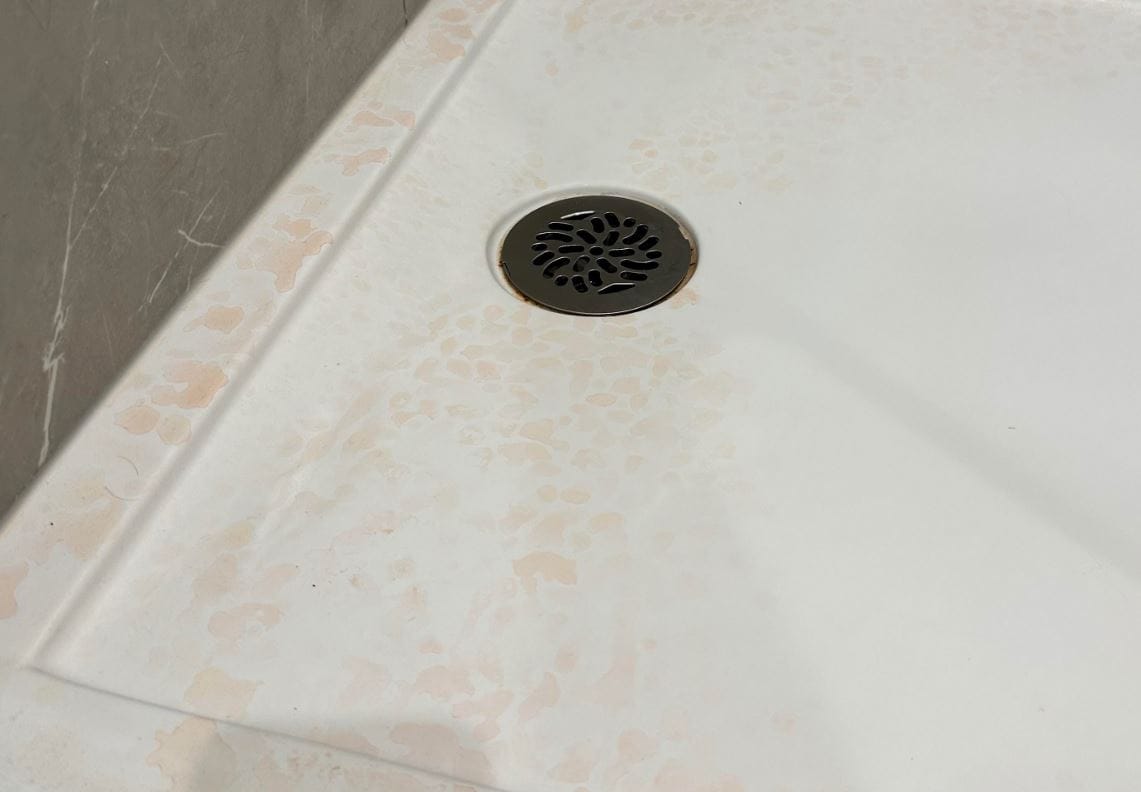
Finding a persistent pink, slimy film or stain on your bathroom fixtures, shower curtain, or pet’s water bowl is a common household nuisance. The immediate assumption is often that the tap water itself is contaminated. However, water utilities and health experts consistently identify a different culprit.
This comprehensive guide explores the true cause of pink residue, distinguishes it from other types of stains, provides effective cleaning and prevention strategies, and addresses potential health concerns with professional authority.
The Primary Culprit: Serratia marcescens
The pink residue in your bathroom is almost certainly not a water quality issue. It is most frequently caused by an airborne bacterium called Serratia marcescens .
This bacterium is a common inhabitant of our environment, found naturally in soil, food, and on animals . It is not introduced to your home via the water supply but through the air. It can enter through open windows, be stirred up by construction or remodeling, or be tracked in from outdoors . Once inside, it seeks out moist environments where it can proliferate.
S. marcescens thrives in damp conditions and feeds on phosphates and fatty substances found in soap scum, shampoo residue, and even trace amounts of feces in toilet bowls . This is why the residue is particularly common in showers, sinks, and toilets.
Why It’s Misidentified as a Water Problem
The confusion arises because the bacteria produce a characteristic pinkish-red pigment (prodigiosin) at room temperature, which is easily mistaken for a mineral stain from the water . Furthermore, the issue is often exacerbated by changes to the water itself.
- Chlorine Depletion: Municipal tap water contains chlorine to disinfect it. However, chlorine is volatile. When water stands for an extended period—such as in a toilet bowl or on a shower curtain—the chlorine dissipates, allowing airborne Serratia to colonize the surface .
- Water Filtration: Homes using whole-house activated carbon filters are more likely to experience pink residue because these filters remove the chlorine from the water, creating an environment where the bacteria can flourish .
Distinguishing Pink Residue from Other Stains
It is crucial to correctly identify the type of stain to apply the correct cleaning and preventative measures. The following table compares the common causes of pink and orange discoloration.
Is Pink Residue Dangerous?
For most healthy individuals, Serratia marcescens is more of a nuisance than a serious health threat. However, it is classified as an opportunistic pathogen . This means it can cause infections in people with specific risk factors.
Who Is at Risk?
- Immunocompromised Individuals: People with weakened immune systems (e.g., those undergoing chemotherapy, or with chronic illnesses) are more susceptible .
- Those with Open Wounds: The bacteria can enter the body through cuts or surgical wounds, potentially leading to wound infections .
- Individuals with Medical Devices: Catheter-associated urinary tract infections and other hospital-acquired infections are a concern for those with indwelling medical devices .
For the average person, casual contact with the pink film in a shower is considered harmless . The primary recommendation remains to clean it to prevent any potential exposure, especially for vulnerable household members.
How to Effectively Remove Pink Residue
The best approach to eliminating pink residue is a two-step process: cleaning the existing biofilm and then disinfecting the area .
Step 1: Cleaning
A mild abrasive is effective at scrubbing away the biofilm.
- Baking Soda Paste: Mix baking soda with a small amount of water or liquid dish soap to form a thick paste . Apply it to the stained areas, let it sit for 10-15 minutes, then scrub vigorously with a sponge or brush. Rinse thoroughly .
- Vinegar Solution: White vinegar is a mild acid that can help break down soap scum, a primary food source for the bacteria. A 50:50 mixture of vinegar and water is a common and effective cleaner for glass, chrome, and tile .
Step 2: Disinfection
Cleaning removes the surface film, but disinfection kills the bacteria left behind. Chlorine bleach is the most effective disinfectant for this purpose .
- Bleach Solution: Mix one part chlorine bleach with ten parts water in a spray bottle .
- Application: Spray the solution on the scrubbed and rinsed surfaces, let it sit for 10 minutes, scrub lightly, and then rinse thoroughly with water . Be mindful that some mixtures can create harmful reactions; always rinse well.
- Caution for Septic Systems: If your home uses a septic system, be cautious about the amount of bleach you introduce into the drains to avoid disrupting the septic tank’s biological processes .
Note on “Pink Mold”: Despite being commonly called “pink mold,” this is a misnomer. The substance is a bacterial biofilm, not a fungus . However, the cleaning methods described are also effective for true mold and mildew.
Strategies for Prevention
Because Serratia marcescens is airborne, complete eradication is nearly impossible . The most effective strategy is prevention through environmental management.
1. Reduce Moisture and Ventilate
- Squeegee or Towel Dry: After each shower or bath, use a squeegee or dry towel to remove excess water from shower walls, doors, and the tub .
- Run Exhaust Fan: Turn on the bathroom exhaust fan before you shower and leave it running for at least 20 minutes afterward to reduce humidity .
- Keep Windows Closed: It may seem counterintuitive, but keeping windows closed can prevent airborne bacteria from being carried into the bathroom from outdoors, especially during summer or construction .
- Wipe Down Surfaces: Wipe down sinks, tubs, and shower ledges after use to remove standing water and soap residue .
2. Regular Cleaning Routine
- Weekly Cleaning: Regular cleaning with a disinfecting cleaner will prevent the biofilm from establishing .
- Remove Soap Scum: Regularly clean soap scum, which provides a nutrient-rich environment for Serratia. The vinegar solution mentioned above is an excellent tool for this .
- Wash Fabrics: Wash shower curtains and liners monthly according to the care instructions and allow them to dry completely .
3. Maintain Plumbing
- Fix Leaks: Promptly repair any dripping faucets or showerheads to eliminate persistent moisture .
- Frequent Flushing: For guest bathrooms that are seldom used, flush the toilet and run the water in the sink regularly to introduce fresh, chlorinated water and prevent the chlorine from dissipating .
Conclusion
The presence of a pink residue in your bathroom is a common, aesthetic issue predominantly caused by the airborne bacterium Serratia marcescens. It is not indicative of poor water quality from your municipal supplier . While generally harmless to healthy individuals, it poses a potential risk to immunocompromised individuals and those with open wounds .
The most effective strategy is a combination of cleaning and disinfecting with chlorine-based products, alongside rigorous moisture control, ventilation, and regular maintenance. By understanding the true nature of this pink film, you can tackle the problem effectively and maintain a clean, hygienic bathroom environment.