The Definitive Guide to Removing Citristrip Residue: Techniques, Chemistry, and Best Practices
Citristrip is a favored paint and varnish stripper for its pleasant citrus scent and lower volatility compared to traditional methylene chloride-based strippers . However, its effective “stays wet for up to 24 hours” formula can leave a stubborn, waxy, or gluey residue that, if not properly removed, will ruin a new finish. This guide provides a comprehensive, professional approach to eradicating Citristrip residue, ensuring your surface is perfectly prepared for its next coat.
Understanding the Challenge: Why Citristrip Leaves Residue
The residue left behind by Citristrip is a complex mixture. While the product is biodegradable and marketed as safer, it contains organic compounds and petroleum distillates that dissolve old finishes . As the gel evaporates and breaks down the old varnish or paint, it leaves behind these chemical components and the remnants of the dissolved finish. If this residue is not neutralized or dissolved, it acts as a barrier. New paint, stain, or polyurethane will not adhere to it, leading to peeling, fisheyes, and an uneven final look .
The Professional Cleanup Process: A Step-by-Step Guide
Before diving into specific methods, safety is paramount. Always work in a well-ventilated area and wear chemical-resistant gloves and safety goggles. Citristrip contains harsh chemicals that can irritate skin and eyes .
Step 1: The Initial Scrape
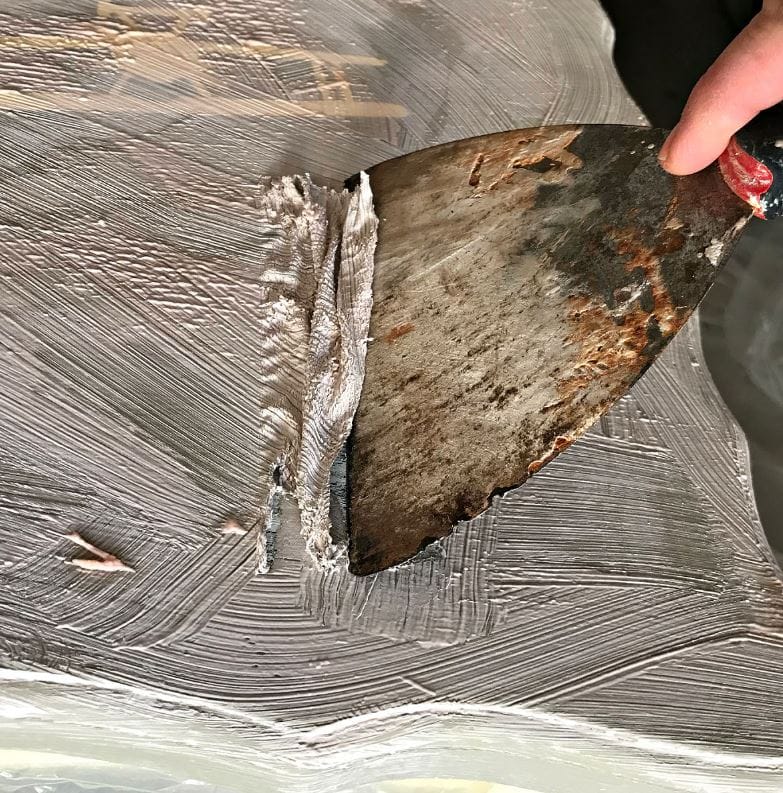
After the stripper has had time to work (30 minutes to 24 hours), the bulk of the finish and stripper should be removed mechanically. Use a plastic scraper or putty knife to gently remove the softened sludge. Always scrape in the direction of the wood grain to prevent gouging. For curves or intricate details, use a toothbrush, toothpick, or a stripping brush . Do not use metal scrapers aggressively, as they can damage the wood .
Step 2: The Residue Removal Strategy
Once the bulk is gone, a sticky or cloudy residue often remains. You must select a solvent to dissolve this layer. The choice of solvent significantly impacts the final result.
Troubleshooting Stubborn Situations
If you are left with dried, hardened Citristrip, the first rule is do not panic. Dried stripper is not permanently bonded to the wood.
- Re-application: Apply a fresh coat of Citristrip over the dried residue and cover it with plastic wrap (Saran Wrap) . This prevents the new layer from drying out, keeping it active for up to 24 hours and re-liquefying the hardened mess underneath, making it easy to scrape away .
- Abrasive Pads: For residue in grain or carvings, a synthetic steel wool pad (e.g., 3M Scotch-Brite) soaked in mineral spirits or denatured alcohol is highly effective. The slight abrasion combined with the solvent action will lift the residue .
Post-Cleaning Surface Preparation
Once you believe the residue is gone, it is vital to confirm the surface is neutralized and clean.
- The “White Glove” Test: Wipe the surface with a clean, white cloth dampened with your chosen solvent. If the cloth shows discoloration or feels sticky, there is still residue present. Repeat the cleaning process .
- Final Wipe: Regardless of the solvent used (except denatured alcohol, which evaporates cleanly), perform a final wipe with a clean, dry cloth.
- Drying Time: Allow the wood to dry completely. This typically takes about 24 hours, depending on humidity and temperature. Do not rush this step, as trapped solvents can cause finishing problems .
- Light Sanding: Once dry, a light sanding with fine-grit sandpaper (e.g., 220-grit) can smooth the raised wood grain and ensure a pristine surface .
Conclusion
Removing Citristrip residue requires a systematic approach. The manufacturer recommends a wash followed by mineral spirits , while denatured alcohol offers a strong alternative for water-based finishes. By understanding the chemistry of the stripper and diligently following the cleaning steps—scraping, solvent washing, testing, and drying—you can ensure that your surface is perfectly prepared for a flawless new finish.