Do Cars Rust in Colorado? The Definitive Guide to Corrosion in the Centennial State
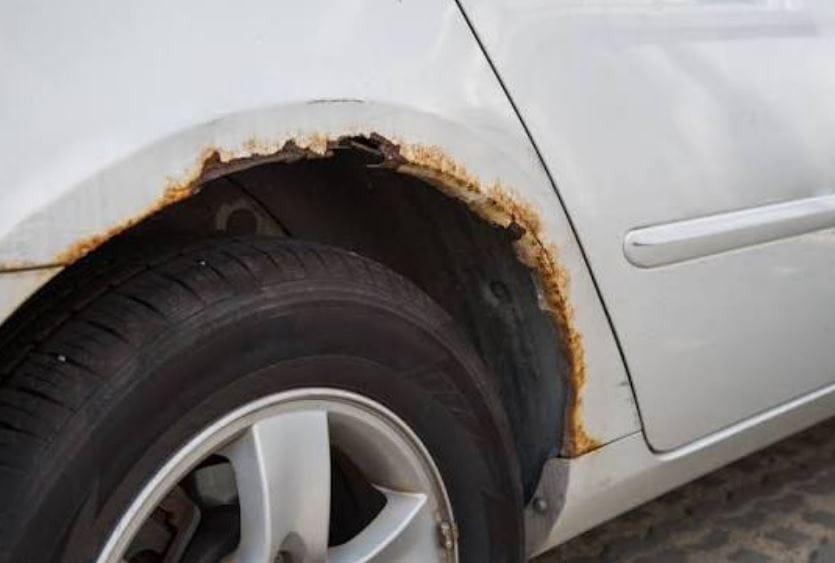
When car enthusiasts and prospective buyers think of Colorado, they often conjure images of pristine, vintage vehicles with straight bodies and shiny, original paint. The prevailing myth is that the arid, high-altitude climate acts as a preservative, suspending a car in a state of ageless perfection. In contrast, the “Rust Belt” states of the Midwest and Northeast are viewed as relentless metal-eating monsters.
The question, “Do cars rust in Colorado?” does not have a simple yes or no answer. The reality is nuanced. While Colorado represents one of the most favorable environments for vehicle preservation in the United States, the absolute statement that “cars don’t rust here” is dangerously misleading and factually incorrect.
This article provides a deep, structural analysis of the chemical, environmental, and regional factors that govern automotive corrosion in Colorado, delivering the definitive answer to why, where, and how oxidation occurs.
Executive Summary: The Paradox of Aridity
Colorado’s general lack of humidity is the single greatest factor in its reputation for rust-free vehicles. Oxidation (rust) is an electrochemical process requiring an anode (metal), a cathode, and an electrolyte (water). In most of the state, especially the Front Range urban corridor and the high plains, the air is simply too dry to sustain the long-term moisture contact necessary for aggressive corrosion.
However, this is not a universal truth. Rust is not absent in Colorado; it is merely localized and mechanistically different from the corrosion found in coastal or lake-effect snow regions. The primary threat in Colorado is not perforation from salt-slush baths, but a specific type of chemical exposure from winter road treatments, combined with extreme thermal and ultraviolet (UV) stress.
1. The Chemistry of Corrosion: Humidity vs. Deicers
To understand why Colorado’s rust profile is unique, one must compare the catalysts.
| Corrosion Catalyst | Primary Mechanism | Prevalence in Colorado | Typical Damage Manifestation |
|---|---|---|---|
| Sodium Chloride (Rock Salt) | Hygroscopic; attracts water, lowers freezing point, forms a conductive saline electrolyte bath. | Historically Low, Increasing. Banned or minimized by many municipalities but still used in some rural areas. | Severe, penetrating scale rot on undercarriage, brake lines, and frame rails. |
| Magnesium Chloride (Liquid Deicer) | Highly hygroscopic; remains a sticky liquid film. Lowers electrical resistivity of water significantly. | Extremely High. The primary weapon for the Colorado Department of Transportation (CDOT). Applied as a liquid brine. | “Creeping corrosion” in electrical connectors, aluminum oxidation, paint delamination, and hidden seam rust. |
| High Atmospheric Humidity | Sustains a continuous water layer on metal, providing the electrolyte for natural oxidation. | Low. Relative humidity in Denver often drops below 20%. | Generalized surface rust if vehicle is parked on grass/dirt. |
| Gravel/Sand | Physical abrasive. No chemical reaction. | High. Used extensively as a traction aid, often mixed with or applied after deicers. | Mechanical stripping of undercoating, paint, and protective oxide layers, exposing raw metal to elements. |
The Critical Distinction: In New York or Michigan, a car sits in a salty, wet slush puddle for days. In Colorado, a car is sprayed with a concentrated magnesium chloride solution, which dries quickly into a hygroscopic film. This film remains dormant until it encounters moisture—rain, snowmelt, or even high-humidity days—whereupon it reactivates and aggressively attacks the metal. It is a cyclical activation, not a constant bath.
2. Regional Breakdown: Not All of Colorado is Equal
Colorado is a state of extreme topographical and climatic diversity. Generalizing the entire state is a critical error. A car in a mountain ski town faces a vastly different life cycle than a car in the San Luis Valley.
| Region | Winter Road Treatment | Humidity & Precipitation | Rust Risk Level | Specific Threats |
|---|---|---|---|---|
| Front Range Urban (Denver, Fort Collins, Colorado Springs) | Heavy MgCl₂ brine usage on highways; some sand/salt mix on city streets. | Low humidity, sun-dominant. Snow melts rapidly. | Moderate | Hidden rust inside frame channels where brine seeps and dries cyclically. UV damage to clear coat. |
| I-70 Mountain Corridor (Evergreen to Vail) | Extreme. Massive quantities of MgCl₂ and sand applied on steep grades. | High snowfall. Cars often stored in heated garages, which accelerates the chemical reaction upon warming. | High | Severe brake and fuel line corrosion. Aluminum suspension component oxidation. Windshield pitting from sand. |
| Western Slope (Grand Junction, Montrose) | Minimal to none in valleys. Some use on high passes. | Very low humidity; high desert. | Very Low | UV damage is the primary vehicle aging factor, not rust. |
| Southern Colorado (Alamosa, Pueblo) | Minimal. Sand used in rare snow events. | Arid, high desert. Cold but dry. | Negligible | Virtually none. This region is a true “preservation zone” for steel. |
| Rural Eastern Plains | Limited resources; often use whatever is available, including rock salt and dirt. | More humidity influence from the Gulf? Higher humidity than high desert. | Low to Moderate | Exposed to more agricultural chemicals and dirt roads, which trap moisture. |
3. The Silver Bullet Myth: Why “Rust-Free” Claims Require Scrutiny
You will frequently see used car listings in Colorado claiming “100% Rust-Free Colorado Car.” While statistically it is far more likely to be true here than in Ohio, buyers must be vigilant. Colorado’s “salt” is often invisible and attacks in dangerous, hidden locations.
High-Risk Inspection Points for a Colorado Vehicle:
- The Inside of the Frame: MgCl₂ brine is thin as water. It seeps into the smallest factory frame holes. When the water evaporates, the magnesium chloride salt residue is left inside the boxed sections of the frame. From the outside, the frame looks perfect. A borescope inspection is the only way to verify internal integrity.
- Electrical “Green Death”: Magnesium chloride is an excellent electrical conductor. It wicks up wiring harnesses via capillary action, corroding copper wires inside their insulation sheathing. This causes high-resistance faults, sensor failures, and intermittent electrical gremlins that are notoriously difficult to diagnose.
- Aluminum Galvanic Corrosion: Many modern cars use aluminum suspension arms or body panels bolted to a steel subframe. MgCl₂ creates a perfect galvanic cell, causing white, powdery oxidation that can physically seize bolts and crack aluminum castings.
- Under the Sound Deadening: If a small windshield or door seal leak occurred and was soaked up by the jute under the carpet, a small puddle of salty brine can form that never completely dries due to the insulation, leading to floorpan rust-through from the inside out.
4. The Accelerants: Sun, Sand, and Thermal Shock
While chemical corrosion is the primary rust creator, Colorado’s environment attacks vehicles in ways that indirectly lead to oxidation.
- UV Radiation Catastrophic Failure: At 5,280 feet, UV exposure is up to 25% more intense than at sea level. This destroys clear coats and paint, exposing primer and bare steel to the elements. A sun-burned hood or roof is a common sight on older Colorado cars. Once the paint is gone, even the low humidity can cause surface rust.
- Abrasive Sandblasting: CDOT lays down millions of tons of traction sand mixed with deicer. On highways, this creates a high-speed sandblasting effect. The leading edges of hoods and A-pillars are stripped of paint. The thick, rubberized factory undercoating is scoured away, leaving bare, unprotected steel ready for the next magnesium chloride spray.
- The Heated Garage Trap: A common misconception among mountain residents is that parking in a heated garage protects the car. In reality, it accelerates corrosion. The chemical reaction rate of MgCl₂ doubles for every ~18°F increase in temperature. A car parked outside at 20°F corrodes far slower than one brought into a 60°F garage every night, where the brine remains chemically active. The ideal winter storage is a cold, ventilated space, not a warm one.
5. Definitive Corrosion Comparison: Colorado vs. Other States
To contextualize the risk, the following table ranks Colorado against benchmark states using a “Corrosion Severity Index” (1-10, 10 being most aggressive).
| State | Primary Corrosive Agent | Corrosion Severity Index (1-10) | Vehicle Life Expectancy (Structural) | Resale Value Impact |
|---|---|---|---|---|
| Michigan/Ohio | Liquid Sodium Chloride Slurry | 10 | 8-12 years (without protection) | Severe “Rust Discount” applied. |
| Coastal Florida | Salt Fog/Aerosol Salt Spray | 8 | 10-15 years | Moderate discount on coastal cars. |
| Colorado (Mountains) | Magnesium Chloride + Sand | 6 | 15-20 years | Minimal discount if undercarriage is cleaned; “Colorado Car” commands a premium out-of-state. |
| Colorado (Front Range) | MgCl₂ Brine, occasional NaCl | 3 | 20+ years | High premium. Often considered “survivor” status. |
| Arizona/Southern California | UV Radiation / Zero Moisture | 1 | 30+ years (mechanicals aside) | Maximum premium for no-rust collectors. |
6. The Preservation Protocol: How to Ensure a Rust-Free Future in Colorado
The goal in Colorado is not to prevent a salt bath, but to neutralize the chemical film. The “wash your car once a week” mantra is insufficient if done incorrectly.
Strategic Mitigation Steps:
- Targeted Underbody Flushing: A touchless car wash with an underbody spray is mandatory. However, timing is critical. You must wash the car after the brine has dried, but before it gets wet again. Ideally, wait for a dry road day following a storm, then immediately wash to strip the dry salt film off before the next storm reactivates it.
- Avoid “Framed” Traps: If you own a body-on-frame truck, identify all factory holes in the frame and insert a pressure washer nozzle to flush the rails longitudinally. You will be shocked at the red river of internal rust that exits on a 3-year-old truck.
- Corrosion Inhibitor Sprays: Unlike heavy, rubberized undercoatings (which can trap moisture), a fluid, creeping oil-based inhibitor (like Fluid Film, Woolwax, or NHOU) is ideal. Applied annually to the inside of frame rails, rocker panels, and all bare metal, it creates a hydrophobic barrier that migrates into seams, dislodging and encapsulating salt molecules.
- Dielectric Grease Application: Any time a chassis electrical connector is separated (headlights, sensors), packing the connector with dielectric grease prevents the “green death” brine migration into the contacts.
Final Verdict
Do cars rust in Colorado? Yes, selectively and in a way that deceives the casual observer.
Colorado does not destroy cars via gross structural perforation as rapidly as the Rust Belt. You will rarely see fenders flapping in the wind. However, the state does inflict a unique, chemical, and electrical corrosion that attacks the vehicle’s nervous system (electrical) and hidden skeletal structure (internal frame). A “Colorado car” is a superior investment, but only if the owner has practiced informed and rigorous salt-neutralization procedures. Trust the dry climate, but never trust the invisible salt film.