Can I Use a Magic Eraser on Glass? A Comprehensive Safety and Application Guide
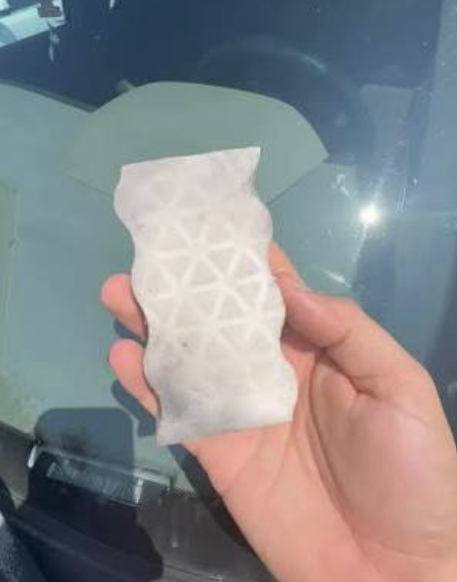
Primary Answer: The short answer is yes, but with significant caveats. A Magic Eraser (melamine foam) can be used on some types of glass to remove stubborn stains, but it is not universally safe for all glass surfaces. Because melamine foam acts like ultra-fine sandpaper at a microscopic level, it carries a real risk of dulling, etching, or scratching certain glass finishes, particularly those with coatings or on delicate items like cooktops and phone screens . Success depends entirely on the specific type of glass and the technique used.
This guide provides a detailed breakdown of how Magic Erasers interact with glass, a comparison of safe versus unsafe applications, and professional protocols to minimize risk.
Understanding the Mechanism: Why Melamine Foam is Controversial on Glass
To determine if a Magic Eraser is appropriate for your glass surface, you must first understand what it is. Magic Erasers are not traditional sponges; they are blocks of melamine foam .
The Micro-Abrasive Structure
At a microscopic level, melamine foam is composed of a hard, open-cell structure that is approximately as hard as glass . When you dampen the foam and rub it against a surface, the tiny, rigid filaments act like a very fine sandpaper or polishing compound . They physically scrape away stains, grime, and even the surface layer of the material they are cleaning. While this is excellent for removing scuff marks from walls or grease from stovetops, it means that on smooth, transparent surfaces like glass, the eraser is essentially sanding the surface .
The Risk of Etching and Dulling
The primary concern with using a Magic Eraser on glass is not usually deep, visible scratches (though these can occur), but rather micro-etching. This is a process where the abrasive foam dulls the polished finish of the glass, leaving it looking cloudy or hazy over time . This risk is magnified on glass that has special coatings, such as anti-reflective layers on phone screens or protective films on oven doors.
Comparative Analysis: Where to Use and Where to Avoid
Not all glass is created equal. The safety of using a Magic Eraser depends on the hardness of the glass, the presence of coatings, and the intended function of the item. The table below categorizes common glass items based on professional recommendations and manufacturer warnings.
Professional Protocol: How to Safely Use a Magic Eraser on Glass
If you have determined that your glass item falls into a “conditional” or “safe” category, strict adherence to the following protocol is necessary to mitigate damage.
Step 1: The Obligatory Spot Test
Before applying the eraser to the main viewing area, test it on a small, inconspicuous corner of the glass. Wet the eraser, squeeze out excess water, and rub gently for a few seconds. Wipe the area dry and inspect it under good lighting. If you notice any change in the reflection, a cloudy haze, or fine scratches, discontinue use immediately .
Step 2: Lubrication is Key
Never use a Magic Eraser dry on glass. The friction will generate heat and increase the abrasive action. The eraser must be thoroughly soaked in water and squeezed until it is just damp. For glass, it is often beneficial to use a lubricating agent like a mixture of water and a few drops of dish soap to help the eraser glide and to lift the dirt .
Step 3: Minimal Pressure and Constant Motion
Do not scrub aggressively. Use light pressure and keep the eraser moving in a circular or back-and-forth motion. Do not focus on one spot for too long. The goal is to let the micro-filaments lift the stain, not to grind it away. Check your progress frequently and rinse the eraser to remove trapped grit that could cause scratches.
Step 4: Thorough Rinsing
After cleaning, rinse the glass thoroughly with clean water to remove any residual melamine dust or cleaning solution. Buff dry with a clean microfiber cloth to prevent water spots .
Alternative Solutions for Glass Cleaning
Given the risks associated with melamine foam, it is often more prudent to use glass-specific cleaning methods.
Frequently Asked Questions (FAQ)
1. Will a Magic Eraser scratch my glass shower door permanently?
It can, if used incorrectly or too frequently. While the individual melamine fibers are softer than the hardest glass, they are hard enough to dull the surface finish over time. If you use a Magic Eraser on a glass shower door, it should be reserved for spot treatment of stubborn hard water deposits, not for routine weekly cleaning. Always lubricate the surface with water or vinegar, use light pressure, and test a small area first. If the glass begins to look cloudy even after rinsing, stop using the eraser .
2. Why do some people say Magic Erasers are safe for glass while others say they ruin it?
The discrepancy usually comes down to the type of glass and the definition of “safe.” In forums and some product reviews, users report success using Magic Erasers on durable, uncoated window glass or aquarium glass to remove specific stains . However, professional cleaning experts and manufacturers warn against it for glass cooktops and screens because the foam can cause permanent etching or remove coatings . The term “safe” is subjective: a surface might not have deep gouges, but the optical clarity could still be compromised (dulled). For high-value or high-clarity glass (like cooktops or windows), it is generally not worth the risk.
3. What is the difference between a Magic Eraser and a generic melamine sponge for glass cleaning?
Chemically, there is almost no difference. Both are made of melamine foam. The primary difference lies in density and durability. Name-brand Magic Erasers (like Mr. Clean) use a compressed foam that is denser and more resistant to tearing, whereas generic melamine sponges are often less dense and crumble faster . For glass cleaning, the density can affect the abrasiveness: a denser sponge might apply more consistent pressure, while a cheap, crumbling sponge might leave behind residue or require more scrubbing (increasing the risk of scratches). If you choose to use melamine on glass, a higher-density, name-brand block is often safer because it maintains its structural integrity better during the scrub .
Final Verdict: Proceed with caution. For most household glass, especially cooktops and screens, avoid Magic Erasers. For durable shower glass with tough stains, use a light touch, plenty of water, and spot-test first. When in doubt, rely on chemical solvents (like vinegar) rather than mechanical abrasion.