How to Clean a Dumpster: A Professional, Step-by-Step Guide to Sanitization & Odor Control
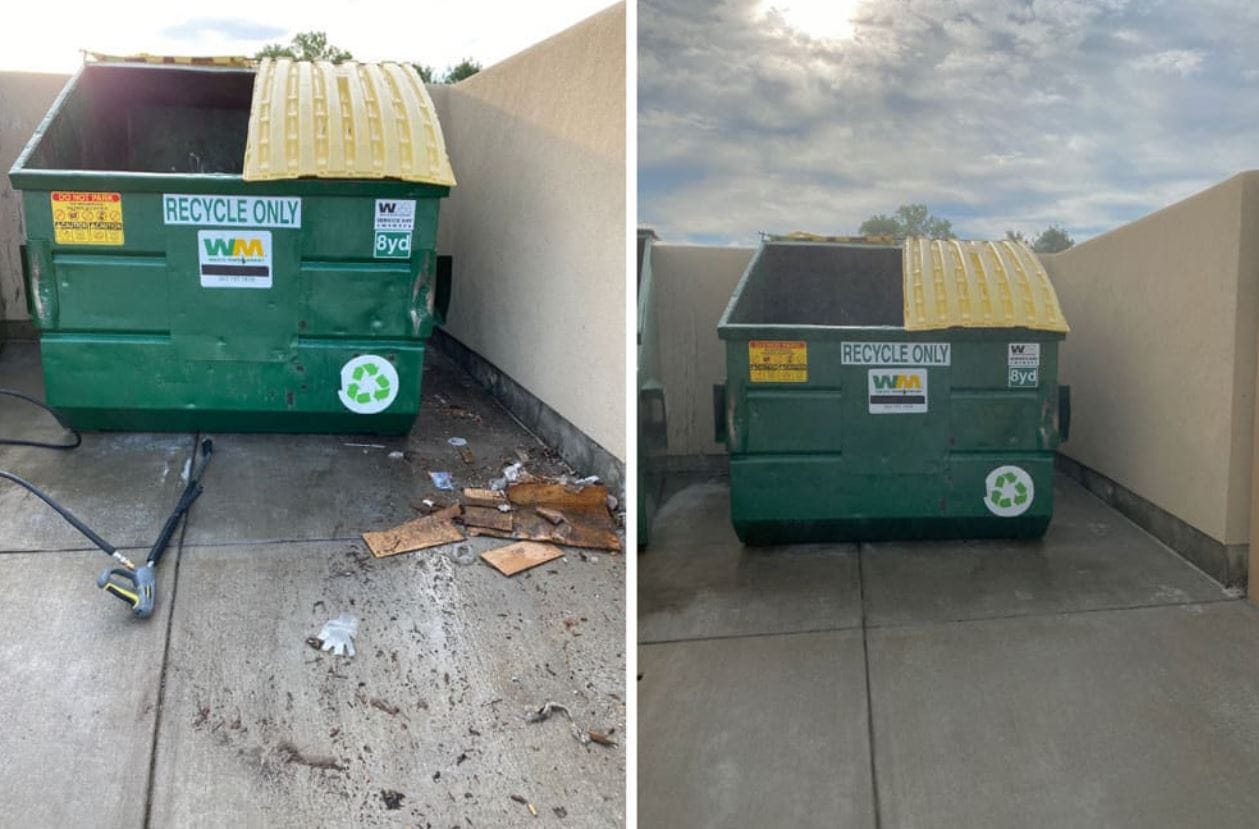
Dumpsters are the most essential—and most neglected—asset in waste management. A single cubic yard of compacted trash can harbor over 100 billion bacteria, including E. coli, Salmonella, and Listeria. Left uncleaned, dumpsters become biohazards, attract pests, generate noxious odors, and can lead to health code violations or environmental fines.
This guide provides a detailed, industrial-grade methodology for cleaning dumpsters, covering safety protocols, equipment selection, chemical treatments, and preventive maintenance.
Why Professional Dumpster Cleaning Matters
Regular cleaning is not cosmetic; it is a legal and operational necessity.
- Pest Prevention: Decomposing organic residue attracts rats, flies, cockroaches, and raccoons. A single drop of grease can sustain a rodent for days.
- Odor Control: Anaerobic bacteria produce hydrogen sulfide and ammonia—volatile compounds that are both foul and corrosive to nearby metal surfaces.
- Regulatory Compliance: Many municipalities enforce sanitation codes (e.g., OSHA 1910.141, FDA Food Code 6-202.140) requiring waste receptacles to be kept in a clean, non-absorbent condition.
- Asset Longevity: Acidic leachate accelerates rust and structural degradation. Regular cleaning extends dumpster life by 3–5 years.
Equipment & Chemical Selection: A Comparative Table
Using the wrong tools or cleaners is ineffective or dangerous. Below is a comparison of methods and detergents.
| Method | Water Usage (per clean) | Effluent Control | Best For | Disadvantages |
|---|---|---|---|---|
| Pressure Washer (Hot Water) | 8–15 gal | Requires recovery or drainage | Heavy grease, baked-on debris | High initial cost; needs water source |
| Dumpster Cleaning Truck | 40–100 gal | 100% vacuum recovery | Large fleets (20+ bins) | High service cost; not DIY-friendly |
| Cold Water + Wand | 20–30 gal | Minimal control | Light, dry waste bins | Ineffective on biofilms or fats |
| Steam Cleaner | 1–3 gal | Low runoff | Degreasing interiors | Slow; not for high-volume cleaning |
Recommended Cleaning Agents
| Chemical Type | Active Ingredient | Dilution Ratio | Dwell Time | Surface Safety |
|---|---|---|---|---|
| Alkaline Degreaser | Sodium hydroxide / metasilicate | 1:10 to 1:30 | 5–10 min | Safe on steel; rinse within 15 min |
| Bioremediation Enzyme | Live Bacillus cultures | Ready-to-use | 15–20 min | Neutral pH; safe for drains |
| Quaternary Ammonium | Benzalkonium chloride (200 ppm) | 1:256 | 4–6 min | Effective sanitizer; no rinse required |
| Chlorinated Foamer | Sodium hypochlorite (12.5%) | 1:50 | 10 min | Excellent bleaching; corrosive to aluminum |
Critical: Never mix ammonia-based cleaners with bleach. Toxic chloramine gas will form.
Step-by-Step Dumpster Cleaning Protocol
Follow this 7-step procedure for a front-load, rear-load, or roll-off dumpster (2–8 cubic yards).
Step 1: Pre-Operation Safety & PPE
- Personal Protective Equipment (PPE): Nitrile gloves (15+ mil), chemical splash goggles, waterproof apron, steel-toe boots, and a P95 respirator if using alkaline cleaners.
- Lockout/Tagout: If the dumpster is on a hydraulic lifter, de-energize the mechanism.
- Zone marking: Cordon off a 10‑ft radius. Post “Wet Floor” and “Chemical Use” signs.
Step 2: Dry Waste Removal
Use a flat shovel and stiff broom to remove all loose solids: food scraps, broken glass, cardboard sludge. Deposit debris into a lined roll-off or contractor bag. Do not wash solids into a storm drain—this is a Clean Water Act violation (40 CFR 122.26).
Step 3: Pre-Rinse (Cold Water)
Use a standard garden hose with a jet nozzle to wet all interior and exterior surfaces. Pre-rinsing reduces chemical consumption by up to 40% and prevents degreaser from drying into a gummy residue.
Step 4: Chemical Application
Apply your chosen degreaser or sanitizer from bottom to top using a downstream injector (for pressure washers) or a pump-up sprayer (2–4 gal capacity). Ensure complete coverage of:
- Interior floor and walls (especially the front lip)
- Lid interiors
- Hinge pockets and wheel casters
- Exterior latches and drain plugs
Allow dwell time per chemical table above. Never let a caustic product dry on the surface.
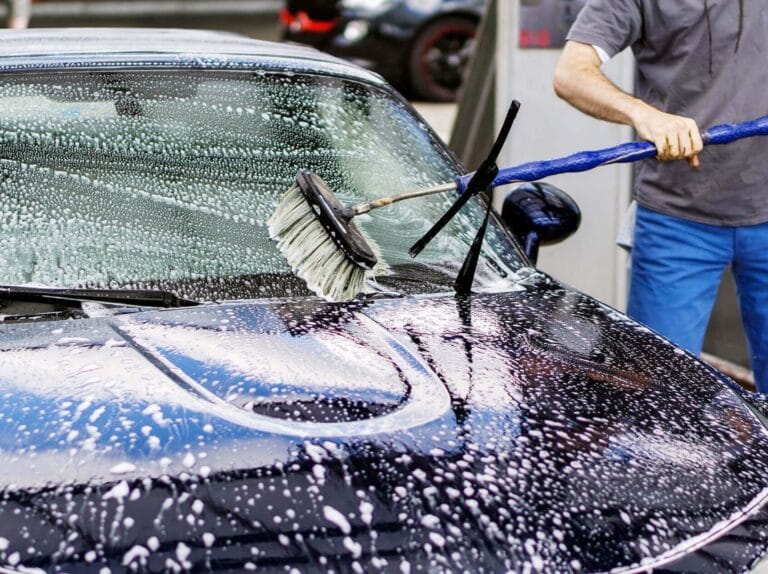
Step 5: High-Temperature Pressure Wash
Use 140–180°F (60–82°C) water at 2,000–2,500 PSI with a 25° or 40° nozzle.
- Interior: Angle spray downward at 45° into corners. Pay special attention to the bottom front “gutter” where leachate pools.
- Exterior: Wash from top to bottom. Clean all warning decals gently (use <1,200 PSI on decals).
- Lid undersides: Open lids fully and spray hinge barrels where maggots and biofilm accumulate.
Step 6: Sanitize & Rinse
Switch to a dedicated sanitizer nozzle (low pressure, wide fan). Apply quaternary ammonium solution to all touched surfaces—handles, lid edges, lift bars. Allow to air dry no rinsing required for quats. If using chlorine, rinse after 10 minutes with cold water to prevent metal pitting.
Step 7: Wastewater Recovery & Disposal
Contaminated wash water (leachate + chemicals) is classified as non-hazardous industrial wastewater in most jurisdictions. Do not allow it to enter storm sewers. Use a wet-vac or purpose-built recovery system to capture effluent. Dispose of captured water into a sanitary sewer cleanout or a holding tank for licensed hauler pickup. Document disposal per local POTW (Publicly Owned Treatment Works) rules.
Professional Dumpster Cleaning Frequency Guide
Not all dumpsters require weekly cleaning. Use this table based on waste stream type.
| Dumpster Use Case | Recommended Frequency | Key Indicator for Cleaning |
|---|---|---|
| Restaurant (food waste, grease) | Every 7–14 days | Visible grease film on interior walls |
| Apartment complex (mixed municipal waste) | Monthly | Odor detectable from 10 ft away |
| Medical / dental office (non-sharp, non-infectious) | Quarterly | Staining on lid exterior |
| Construction debris (clean fill, lumber) | Per project completion | No organic residue—spot clean only |
| Industrial (packaging, non-organic) | Every 3 months | Dust accumulation only |
| Dumpster inside a loading dock (enclosed area) | Twice monthly | Presence of flies or ants |
Common Mistakes & How to Avoid Them
- Mistake 1: Using bleach on galvanized steel.
Result: Chloride ions accelerate “white rust” (zinc hydroxide), destroying the galvanic layer.
Fix: Use sodium percarbonate or oxygen bleach for non-critical cleaning. - Mistake 2: Pressure washing closed dumpster lids.
Result: Water jets blow debris back onto the operator.
Fix: Always open lids fully and wash from a side angle. - Mistake 3: Ignoring the drain plug area.
Result: Plugs become cemented shut with congealed fat.
Fix: Remove and clean plugs separately every 2nd wash. Replace damaged plugs (part # 758 for 2‑inch plugs). - Mistake 4: Storing a clean dumpster with the lid open.
Result: Birds, squirrels, and rain introduce fresh contaminants.
Fix: Always close lids after drying (minimum 1 hour sunlight or 20 minutes with compressed air blower).
When to Outsource vs. DIY
| Factor | DIY Cleaning | Professional Service |
|---|---|---|
| Cost per clean (1x 4-yd dumpster) | $8–15 (chemicals + water) | $40–85 |
| Equipment investment | $600–2,500 (pressure washer + recovery) | $0 (included) |
| Time per dumpster | 30–45 minutes | 15–20 minutes |
| Wastewater liability | Owner assumes all risk | Service carries insurance & permits |
| Best if… | You have 1–3 dumpsters and a floor drain or wash pad | You have 10+ dumpsters or strict local environmental codes |
Environmental & Legal Notes
- Clean Water Act (USA): Discharging untreated dumpster wash water into a storm drain can trigger fines up to $37,500 per day (33 U.S.C. § 1319).
- EPA Effluent Guidelines (40 CFR Part 437): Wastewater from dumpster cleaning at industrial facilities may require pH neutralization (6.0–9.0) and oil/grease removal (<100 mg/L).
- Sustainable alternative: Use bioremediation enzyme cleaners. These contain non-pathogenic bacteria that digest organic waste, turning residues into CO₂ and water. They eliminate the need for hot water and allow rinsing onto lawns (check local biosolids regulations).
Final Checklist for a Clean Dumpster
After following this guide, verify:
- No visible food, sludge, or grease inside.
- No odor within 3 feet of closed dumpster.
- All labels (warnings, capacity, waste type) are legible.
- Wheels and lid hinges move freely.
- Drain plug is intact and hand-tight.
- Wash water was disposed of legally, not onto pavement.
Conclusion
A clean dumpster is a direct reflection of professional waste management. By combining proper PPE, a chemical strategy matched to your soil type, and consistent frequency, you eliminate health hazards, extend equipment life, and stay compliant with environmental law. Whether you choose a pressure washer on your loading dock or contract with a vacuum-truck service, the principles remain the same: remove solids, degrease, sanitize, and recover every drop of wastewater.