How to Clean Egg Off a House (Professional Exterior Restoration)
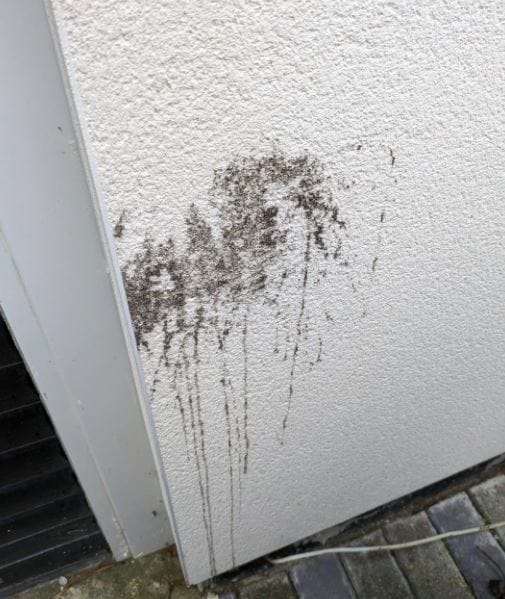
Eggs thrown at a house are not just a juvenile prank; they are a chemically corrosive hazard. When an egg dries on exterior surfaces, its albumen (protein) bonds with the substrate, causing etching on paint, staining on brick, and permanent discoloration of vinyl siding. Immediate and methodical action is required to prevent irreversible damage.
This guide provides a step-by-step, chemical-grade approach to removing fresh and dried egg residue from six common residential surfaces.
1. The Chemistry of the Crisis: Why Eggs Are Destructive
Understanding why egg is difficult to clean dictates how you should clean it.
| Component | Property | Damage Mechanism |
|---|---|---|
| Albumen (Protein) | Coagulates with heat (sunlight) | Binds to porous surfaces like a thermosetting glue. |
| Ovomucin | Fibrous, elastic | Creates a “net” that traps dirt and repels water. |
| Sulfur content | Corrosive | Reacts with latex and acrylic paints, causing blistering. |
| pH Level | ~7.6–8.5 (Alkaline) | Softens clear coats and automotive-grade finishes on garage doors. |
Critical warning: Do not use hot water. Heat cooks the protein, permanently setting the stain like a fried egg on a pan.
2. Immediate vs. Dried Egg Removal Strategy
| Condition | Risk Level | Primary Tool | Solvent |
|---|---|---|---|
| Fresh (wet) – <30 minutes | Low | Garden hose + microfiber towel | Cold water only |
| Tacky – 30 min to 2 hours | Moderate | Pressure washer (low psi) | Enzyme-based cleaner |
| Dried / Baked – >2 hours | Severe | Plastic scraper + foam cannon | Protease solution (biological laundry detergent) |
3. Surface-Specific Cleaning Protocols
3.1 Vinyl Siding (Most Common)
Challenge: Vinyl expands and contracts. Scrubbing can warp or scratch it.
Procedure:
- Pre-rinse with cold water from top to bottom.
- Spray a 1:4 solution of white vinegar to water. Vinegar denatures the protein without heat.
- Dwell for 3 minutes (do not let dry).
- Wipe using a car-wash mitt (not a bristle brush) in one direction.
- Rinse thoroughly.
3.2 Painted Wood (Doors, Shutters, Trim)
Challenge: Porous surface absorbs egg yolk (lipid), leaving a yellow stain even after cleaning.
Procedure:
- Blot (do not rub) fresh yolk with a dry cloth.
- Mix: 1 quart cool water + 1 tablespoon borax + 1 tablespoon dish soap (degreaser).
- Apply with a soft sponge. Do not oversaturate the wood.
- Remove residue with a plastic razor blade at a 15° angle.
- Neutralize with a damp cloth of clean water.
3.3 Brick, Stone, or Stucco (Porous Masonry)
Challenge: Egg penetrates below the surface. Water alone pushes egg deeper.
Procedure:
- Create a poultice: Mix powdered baking soda with a small amount of cold water to form a thick paste.
- Apply the paste over the stained area (¼ inch thick).
- Cover with plastic wrap (to slow evaporation).
- Leave for 6–12 hours. The alkaline paste draws out the egg proteins.
- Rinse with a garden hose at medium pressure.
3.4 Windows (Glass & Frames)
Challenge: Egg yolk leaves a greasy film that streaks.
| Tool | Efficacy | Scratch Risk |
|---|---|---|
| Razor scraper (wet) | 100% | High if dry |
| Isopropyl alcohol (70%) | 95% | None |
| Newspaper + vinegar | 80% | None |
Best method: Spray isopropyl alcohol directly on the egg. Alcohol dissolves lipids instantly. Wipe with a lint-free cloth, then clean glass with standard ammonia-free glass cleaner.
3.5 Garage Doors (Aluminum or Steel)
Challenge: Eggshell fragments act as an abrasive, scratching automotive-grade paint.
Procedure:
- Flood with a hose to float off shell fragments.
- Apply a car wash soap (pH neutral) via foam cannon.
- Two-bucket method: One bucket with soap, one with plain water. Dip microfiber towel into soap, wipe once, then rinse in water bucket before reloading soap.
- Dry immediately with a plush microfiber to prevent water spots.
3.6 Roofing (Asphalt Shingles)
Critical warning: Never pressure wash asphalt shingles. It strips granules and voids warranties.
Procedure:
- Apply a biological enzyme cleaner (e.g., Nature’s Miracle or a laundry pre-soak like Biz).
- Dwell for 10 minutes.
- Rinse with a garden hose on “shower” setting—never a jet stream.
- Accept minor staining; shingles are designed to weather. Do not climb a roof for cosmetic egg removal.
4. Equipment & Chemical Comparison Table
| Cleaning Agent | Effectiveness | Surface Safety | Cost | Best For |
|---|---|---|---|---|
| Cold water only | 2/10 | 10/10 | $0 | Fresh eggs (<5 min) |
| White vinegar (1:4) | 7/10 | 9/10 | $ | Vinyl, glass |
| Dawn dish soap + water | 6/10 | 8/10 | $ | Painted wood, aluminum |
| Protease laundry detergent | 9/10 | 6/10 (rinsing required) | $$ | Dried eggs on siding |
| Isopropyl alcohol (70%) | 8/10 | 7/10 (strips wax) | $$ | Windows, garage door clear coat |
| Pressure washer (800–1200 PSI) | 9/10 | 3/10 (damage risk) | $$$ | Brick, concrete (only) |
5. What NOT to Do (Common Errors)
| Error | Consequence |
|---|---|
| Using hot or warm water | Coagulates protein into a permanent plastic-like film. |
| Scrubbing dry egg with a brush | Grinds shell fragments into the paint (micro-scratches). |
| Bleach (sodium hypochlorite) | Oxidizes vinyl siding (yellowing) and damages asphalt shingles. |
| Dry scraping without lubrication | Removes paint layer along with the egg. |
| Pressure washing at >1500 PSI | Drives water behind siding, causing mold and delamination. |
6. Step-by-Step Fast Response Checklist (For Homeowners)
If the egg was thrown within the last hour:
- Gather: Garden hose with spray nozzle, microfiber cloth, white vinegar.
- Rinse from top to bottom. Do not aim directly at the egg; use a wide fan pattern.
- Mix 1 cup vinegar + 4 cups cold water in a spray bottle.
- Spray the affected area generously.
- Wait 90 seconds.
- Blot – do not wipe in circles. Lift residue straight up with a folded towel.
- Final rinse with cold water.
If the egg has dried (more than 2 hours):
- Soak a towel in protease-based laundry detergent (e.g., Persil, Bio-Kleen) diluted 1:5 with cold water.
- Press the wet towel against the dried egg and hold for 10 minutes. (This rehydrates and breaks the protein bond.)
- Gently slide a plastic putty knife under the loosened residue.
- Repeat until removed.
- Rinse and then apply a spray wax to painted/automotive surfaces to restore the protective layer.
7. When to Call a Professional
Consider professional exterior cleaning if:
- The egg was thrown 48+ hours ago and has baked in direct sunlight.
- The surface is cedar shake, unsealed limestone, or historic brick.
- The egg has pooled around electrical fixtures or HVAC compressors.
- You are not comfortable operating a pressure washer (professionals use surface cleaners and downstream injectors at <500 PSI for sidings).
Expected professional cost: 150–150–400 depending on house height and number of eggs.
8. Preventive Measures (Anti-Prank Coatings)
| Product Type | Application | Protection Window |
|---|---|---|
| Ceramic spray coating (automotive) | Wipe on garage door and vinyl siding | 6–12 months |
| Hydrophobic sealant (e.g., Rain-X for houses) | Spray on windows and smooth surfaces | 3–6 months |
| Sacrificial wax (carnauba) | Buff onto painted trim | 2–4 months |
Hydrophobic coatings reduce surface adhesion, causing eggs to slide off rather than bond. After Halloween or graduation season, simply rinse with a hose.
Summary Table: Surface + Solution Quick Reference
| Surface | Best Solvent | Tool | Avoid |
|---|---|---|---|
| Vinyl siding | Vinegar + water | Car-wash mitt | Bristle brush |
| Painted wood | Borax + dish soap | Plastic razor blade | Steel wool |
| Brick/Stucco | Baking soda poultice | Plastic wrap | Pressure washer |
| Glass | Isopropyl alcohol (70%) | Lint-free cloth | Ammonia |
| Garage door | Car soap (pH neutral) | Two-bucket method | Dry rag |
| Asphalt roof | Enzyme cleaner | Garden hose | Pressure washer |
Final verdict: Cold water, patience, and protease enzymes are your most powerful tools. Never scrub—always blot, lift, and rinse. A house cleaned properly within 4 hours of egging shows no permanent damage. Delay beyond 24 hours, and you are likely repainting or replacing siding.