How to Clean Lexan Windows: The Definitive Guide to Scratch-Free Polycarbonate Care
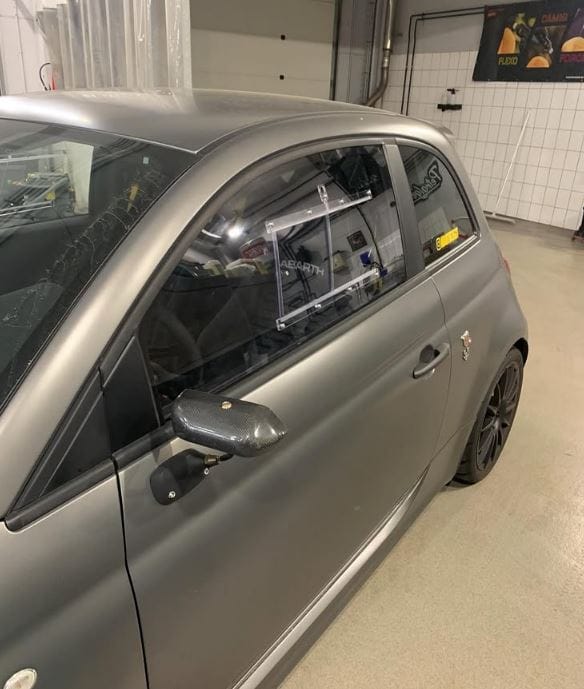
Lexan is a brand name for polycarbonate (PC) — a thermoplastic known for its extreme impact resistance, light weight, and optical clarity. Unlike glass, Lexan is soft, chemically sensitive, and prone to static attraction. Cleaning it incorrectly leads to micro-scratches, hazing, stress cracking, and permanent clouding.
This guide provides a step-by-step protocol, chemical compatibility tables, and professional-grade techniques to maintain clarity and extend the life of your Lexan windows in greenhouses, race cars, aircraft, boats, and industrial safety glazing.
1. Why Lexan Requires Special Cleaning (Unlike Glass)
| Property | Glass | Lexan (Polycarbonate) |
|---|---|---|
| Surface hardness (Mohs) | 5.5 – 6.5 | 2.0 – 2.5 |
| Chemical resistance | High (resists most acids/bases) | Low (attacked by solvents, ammonia, alcohols) |
| Abrasion resistance | Excellent | Poor (requires hard coating for durability) |
| Static charge buildup | Low | High (attracts dust immediately after cleaning) |
Key takeaway: Standard glass cleaners (Windex, ammonia-based solutions) and dry wipes will chemically etch or mechanically scratch Lexan.
2. Tools and Materials: The Approved List
Mandatory
- Microfiber towels (at least 2 – one for washing, one for drying)
- Soft natural sponge (no scrub pads)
- Compressed air (optional but ideal for dust removal)
- Spray bottle (non-solvent resistant plastic is fine)
Cleaning Solutions (Ranked by Safety)
| Solution | Safety Rating | Best For | DIY Feasibility |
|---|---|---|---|
| Mild dish soap + distilled water (1 tsp per quart) | ★★★★★ | Routine cleaning | Yes |
| Lexan-specific cleaner (e.g., Novus #1, Plexus) | ★★★★★ | Anti-static + UV protection | Purchase |
| Isopropyl alcohol (30% max) + 70% distilled water | ★★★☆☆ | Light grease/oil removal | Yes (dilute carefully) |
| White vinegar (10%) + water | ★★★☆☆ | Hard water spots | Yes |
| 100% isopropyl alcohol, acetone, Windex | ★☆☆☆☆ | Never – causes crazing | Never |
Note: Even mild solvents can stress-crack polycarbonate under mechanical load (e.g., bolted window frames).
3. Step-by-Step Cleaning Procedure (Professional Method)
Step 1: Dry Dust Removal
- Use compressed air from 12 inches away (max 30 PSI) or a soft feather duster.
- Never wipe dry dust with a cloth – that creates microscopic scratches that fill with dirt over time.
Step 2: Pre-Rinse
- Rinse with low-pressure distilled water to float away remaining particles. Tap water leaves mineral spots that require aggressive cleaning later.
Step 3: Wash
- Mix 1 tsp mild dish soap (Dawn Free & Clear or Ivory) per quart of distilled water.
- Apply with a saturated soft sponge using straight, overlapping strokes – never circular motions (circular scratches create visible “swirls” in sunlight).
- Work top to bottom.
Step 4: Rinse
- Flood rinse with distilled water until no soap film remains.
Step 5: Dry
- Blot with a fresh, dry microfiber towel (no rubbing). Alternatively, use a silicone squeegee only if the blade is brand new and lubricated with soapy water.
Step 6: Anti-Static Finish (Optional but Recommended)
- Spray a polycarbonate-safe anti-static cleaner (e.g., Plexus Plastic Cleaner). This repels dust for 2–3 weeks.
4. What to Avoid: The “Never” List
| Action | Consequence |
|---|---|
| Paper towels, newsprint, rags | Embedded wood fibers or recycled glass particles scratch like sandpaper |
| Ammonia, ethanol >30%, methanol | Chemical crazing – micro-cracks that spread under UV light |
| Scouring pads, brushes | Permanent surface haze |
| Washing in direct sunlight | Rapid evaporation leaves streaks and soap residue |
| Using a dirty microfiber cloth | One trapped dust particle acts as an abrasive |
5. Comparison of Commercial Lexan Cleaners
| Product | Type | Anti-Static? | UV Protectant? | Average Cost (USD) |
|---|---|---|---|---|
| Plexus Plastic Cleaner | Spray | Yes | Yes | $15–20 (13 oz) |
| Novus #1 | Spray | No | No | $12 (8 oz) |
| Meguire’s PlastX | Liquid polish | No | No | $10 (10 oz) |
| Sprayway Plastic Cleaner | Foam | Yes | No | $8 (19 oz) |
| Dish soap + water (DIY) | Liquid | No | No | <$0.10/use |
Professional advice: Use Plexus or Novus for coated Lexan (abrasion-resistant grades like MR10). Use dish soap for uncoated Lexan (common in DIY greenhouses).
6. How to Remove Specific Damage
| Problem | Solution | Special Tools |
|---|---|---|
| Light scratches | Novus #2 plastic polish applied with foam pad – hand buff only, no power tools | Foam applicator |
| Hard water stains | 10% white vinegar solution, soak for 60 seconds, rinse immediately | Timer |
| Tree sap / bird droppings | Isopropyl alcohol (30%) on a damp cloth – dab, don’t rub | Soft cotton ball |
| Deep scratches | Wet-sand with 2000 → 3000 → 5000 grit paper (only for coated Lexan) then polish | Sanding block, distilled water |
Warning: Deep scratch removal compromises impact strength. Do not sand near edges or structural stress points.
7. Preventive Maintenance Schedule
| Frequency | Action |
|---|---|
| Daily (high-dust environments) | Blow off with compressed air |
| Weekly | Anti-static cleaner spray and light microfiber wipe |
| Monthly | Full wash (soap + water) + anti-static finish |
| Quarterly | Inspect for crazing or yellowing; reapply UV protectant (if not factory-coated) |
8. FAQ (High-Search Queries)
Q: Can I use Rain-X on Lexan?
A: No. Rain-X contains solvents that cause stress cracking. Use Rain-X Plastic (specifically formulated) or a polycarbonate sealant.
Q: Does Windex damage Lexan?
A: Yes. The ammonia and blue dye in Windex react with polycarbonate, causing yellowing and micro-cracks within months.
Q: How to clean foggy Lexan windows?
A: Fogging is typically micro-abrasion. Use a plastic polish (Novus #2) followed by a cleaner (Novus #1). If fogging is internal (moisture), improve ventilation – do not wipe internally unless completely dry.
Q: Can I use an electric pressure washer?
A: Never. High pressure (>500 psi) drives dirt into the surface and can delaminate coated Lexan.
9. Final Professional Verdict
Cleaning Lexan is not difficult, but it is intolerant of shortcuts. Treat every wipe as if you were cleaning a high-end acrylic watch crystal. The three cardinal rules:
- Never dry wipe.
- Never use solvents.
- Never scrub in circles.
With the right microfiber, distilled water, and mild soap, your Lexan windows will remain optically clear for 5–10 years (uncoated) or 10–15 years (coated). Replace any panel that shows yellowing, widespread crazing, or visible impact damage – no cleaning method restores structural integrity.
Note: Always test any cleaning method on an inconspicuous corner of the Lexan window, especially if the panel is older than 5 years or has been exposed to heavy UV without a protective coating. When in doubt, consult the manufacturer’s SDS or your window supplier.