Understanding the Impact of Moisture on Building Materials and Foundations
Moisture damage remains one of the most common causes of residential structural deterioration. Water can enter a home through roof leaks, foundation cracks, plumbing failures, or poor drainage systems. Once moisture moves into hidden areas, it often spreads unnoticed behind walls, beneath flooring, and inside crawlspaces. Over time, this exposure weakens building materials and creates conditions that threaten both structural stability and indoor air quality.
This issue is especially important in Texas, where high humidity levels, severe storms, and sudden rainfall create constant pressure on residential structures. Homes in humid climates often experience ongoing moisture exposure that affects wood framing, insulation, drywall, and concrete foundations. Understanding how moisture behaves inside residential construction helps property owners identify risks earlier and make informed maintenance decisions before repairs become more extensive and expensive.
Moisture Infiltration Often Starts Long Before Homeowners Notice It
Many residential moisture problems begin gradually and remain hidden for months before visible signs appear. Small plumbing leaks, roof vulnerabilities, and poor ventilation can slowly introduce moisture into enclosed areas of a home. Because these spaces receive limited airflow, water often becomes trapped inside wall cavities, attic insulation, or crawlspaces.
Once water intrusion spreads through organic materials, mold growth can develop quickly in hidden areas of a home and affect both the structure and indoor air quality. Moisture trapped behind walls, beneath flooring, and inside crawlspaces creates ideal conditions for mold colonies to spread, especially in homes with poor ventilation or delayed repairs. Because mold contamination often continues growing even after the original leak is fixed, many homeowners require professional assessment to identify the full extent of the damage. If you are looking for a company that offers mold remediation services in TX, there are plenty of options available. Choosing experienced professionals allows homeowners to identify contaminated materials, improve indoor air quality, and prevent moisture problems from returning after repairs are completed.
The Science of Porosity: How Building Materials Absorb and Retain Water
Different residential building materials respond to moisture in different ways because of their porosity levels. Porous materials contain tiny openings that allow water and water vapor to move through them. Wood, drywall, brick, and concrete all absorb moisture to varying degrees. When these materials remain exposed to damp conditions for extended periods, they begin to weaken internally. This process often occurs slowly, which makes moisture damage difficult to identify during the early stages.
Wood framing is particularly vulnerable because it expands when wet and contracts as it dries. Repeated moisture exposure can lead to warping, splitting, and long-term decay. Drywall also absorbs water quickly, causing it to soften and lose structural stability. Concrete foundations may appear dense and solid, but they still absorb moisture through capillary action. As water travels through concrete, it can increase indoor humidity levels and contribute to foundation-related deterioration inside residential properties.
Foundation Vulnerability: Hydrostatic Pressure and Basement Seepage
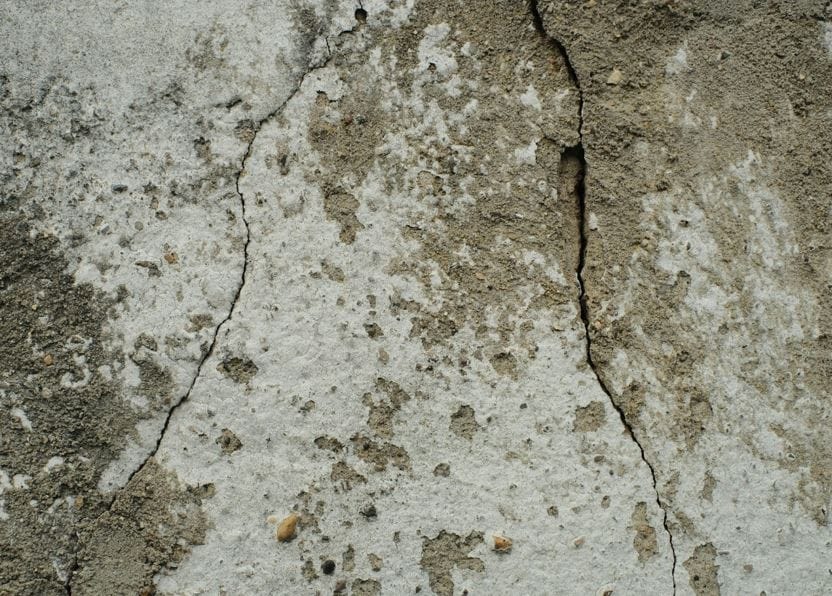
Residential foundations constantly face pressure from surrounding soil, especially after heavy rainfall or poor drainage conditions. When soil becomes saturated, hydrostatic pressure pushes water against foundation walls and basement floors. Over time, this pressure can force moisture through small cracks and porous concrete surfaces. Homes with improper grading or clogged gutter systems often experience higher levels of water accumulation around the foundation perimeter.
Basements and crawlspaces are particularly vulnerable because they sit below ground level, where moisture naturally collects. Persistent seepage can weaken concrete, damage flooring systems, and increase indoor humidity levels throughout the home. Small leaks may seem harmless initially, but long-term exposure can contribute to structural movement and material deterioration. Regular inspections and effective drainage systems help reduce moisture pressure before significant damage develops.
The Hidden Danger of Mold and Organic Decay Inside Homes
Mold growth often begins in dark, damp areas where moisture remains trapped for extended periods. Residential materials such as wood framing, drywall, carpeting, and insulation provide the organic matter that mold needs to spread. Poor ventilation inside bathrooms, attics, and crawlspaces can accelerate this process. Many homeowners fail to notice contamination until odors, discoloration, or respiratory irritation become more noticeable indoors.
Organic decay creates additional structural concerns because prolonged moisture weakens wood components over time. Rotting framing materials may lose their ability to support weight properly, especially in older homes exposed to repeated water intrusion. Mold contamination can also affect indoor air quality and create unhealthy living conditions for occupants. Addressing both the moisture source and damaged materials is essential for restoring a safe residential environment.
Weather, Humidity, and Exterior Exposure: How the Environment Impacts Residential Structures
Outdoor weather conditions play a major role in residential moisture problems throughout the year. High humidity levels increase condensation inside homes, especially when ventilation systems perform poorly. Heavy rainstorms, wind-driven moisture, and seasonal temperature shifts also place stress on roofs, siding, and window seals. Over time, these conditions create small vulnerabilities that allow water to penetrate the building envelope.
Exterior materials naturally deteriorate as they experience repeated exposure to moisture and changing weather conditions. Cracked caulking, damaged flashing, and aging roofing materials often allow water intrusion to develop slowly. Homes located in humid climates face greater risks because moisture remains present in the air for longer periods. Routine exterior maintenance helps homeowners identify vulnerable areas before water infiltration causes hidden structural damage.
Protecting Long-Term Structural Stability Through Moisture Control
Preventing moisture intrusion requires consistent maintenance and proper moisture management throughout the home. Effective drainage systems, clean gutters, and correctly graded landscaping help direct water away from the foundation. Vapor barriers, attic ventilation, and crawlspace encapsulation also reduce indoor humidity levels that contribute to long-term material deterioration. These preventative measures support healthier indoor conditions and reduce structural stress over time.
Routine inspections remain one of the most effective ways to detect developing moisture problems before they escalate. Homeowners should regularly monitor roofing systems, plumbing connections, basement walls, and exterior sealing materials for signs of water intrusion. Addressing small issues early can prevent widespread structural damage and costly repairs later. A dry and stable foundation remains one of the most important factors in maintaining a safe, durable, and long-lasting residential property.