Essential Home Improvements for Older Homes
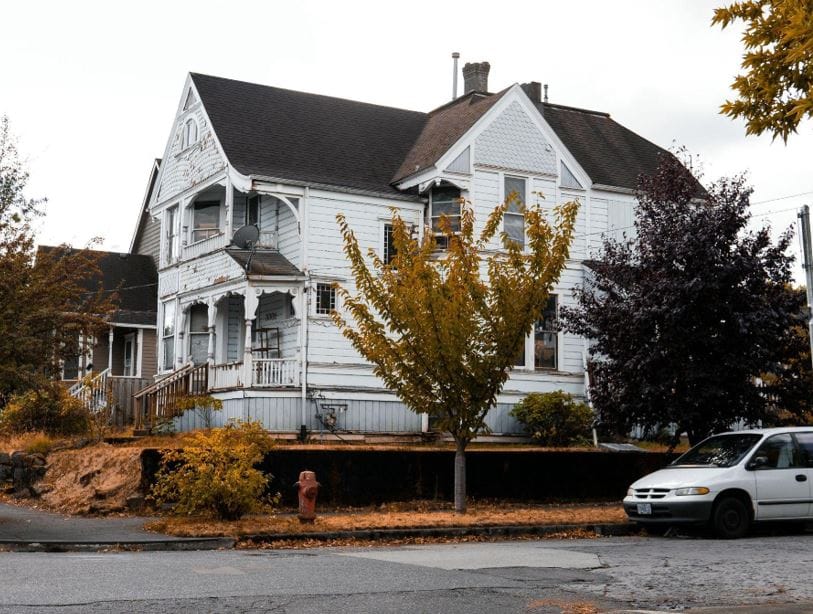
Older homes have a personality that many newer houses simply do not have. From detailed woodwork to classic layouts, these homes often feel warm, welcoming, and full of history. But as beautiful as older homes can be, they usually need updates to stay comfortable, safe, and efficient.
Many homeowners worry that improving an older home means removing all its charm. Thankfully, that is not true. The best home improvements focus on keeping the original character while upgrading the parts of the house that affect daily living. Small and practical changes can make a major difference without completely changing the look and feel of the home.
If you own an older property, here are some of the most important home improvements worth considering.
Upgrade Old Windows for Better Protection and Comfort
One of the first things many homeowners notice in older homes is poor window performance. Drafts, outside noise, moisture buildup, and rising energy bills are all common signs that the windows may need attention.
Today, many homeowners are investing in quality impact-resistant windows because they provide several benefits beyond storm protection. These windows can help improve energy efficiency, reduce outdoor noise, and add another layer of security to the home. For older properties, replacing outdated windows can instantly improve comfort while still preserving the home’s appearance.
New windows can also help regulate indoor temperatures more effectively. During hot summers or colder months, older windows often allow air to escape, making your HVAC system work harder. Modern window technology helps reduce that problem and may even lower monthly utility bills over time.
Choosing styles that match the home’s architecture can help maintain its original charm while adding modern performance.
Check the Electrical System
Electrical systems in older homes were designed for a completely different time. Decades ago, families did not rely on multiple televisions, gaming systems, computers, kitchen appliances, and charging devices all at once.
As a result, older wiring may struggle to handle modern electrical demands. This can create safety concerns and everyday inconvenience.
Some signs that an electrical upgrade may be needed include:
- Flickering lights
- Frequently tripped breakers
- Warm outlets
- Buzzing sounds near switches
- Lack of available outlets
Upgrading the electrical system can make the home safer and more functional. Even simple improvements like adding outlets or updating the breaker panel can improve everyday convenience.
Hiring a licensed electrician is always the best approach when dealing with older wiring systems.
Strengthen the Roof and Exterior
The exterior of a home acts as the first line of defense against weather, moisture, and outdoor damage. In older homes, roofing materials and exterior surfaces may already be nearing the end of their lifespan.
Roof leaks can quickly lead to larger problems, including wood rot, insulation damage, and mold growth. Regular inspections help homeowners catch smaller issues before they become major repairs.
Beyond the roof, it is important to inspect:
- Gutters
- Siding
- Foundation cracks
- Exterior trim
- Drainage systems
Maintaining the exterior helps protect the home’s structure and keeps repair costs manageable over time.
A fresh exterior can also improve curb appeal and make the home look well-cared-for.
Modernize the Kitchen Without Losing Character
The kitchen is one of the most used spaces in any home, but older kitchens may not always meet modern needs. Limited storage, outdated appliances, and poor lighting are common concerns.
The good news is that you do not always need a full remodel to improve functionality.
Simple kitchen upgrades can include:
- Replacing cabinet hardware
- Updating countertops
- Installing brighter lighting
- Adding energy-efficient appliances
- Repainting cabinets
Many homeowners choose to keep original features like wood cabinets or vintage details while blending in modern upgrades. This approach helps preserve the home’s personality while improving convenience.
Small updates often create a cleaner, brighter, and more usable space without removing the home’s original charm.
Update Bathrooms for Safety and Efficiency
Bathrooms in older homes can sometimes feel cramped, outdated, or difficult to maintain. Worn fixtures, poor ventilation, and aging plumbing can all create problems over time.
Modern bathroom upgrades can improve comfort while also increasing home value. Popular updates include walk-in showers, better lighting, water-saving fixtures, improved ventilation, and slip-resistant flooring.
Good ventilation is especially important because it helps reduce moisture buildup and prevent mold growth, as mold can take hold surprisingly quickly in poorly ventilated spaces, causing damage that goes well beyond the surface.
Even modest bathroom updates can make the space feel cleaner, brighter, and easier to use every day.
Add Better Lighting Throughout the Home
Lighting has a huge effect on how a home feels. Older homes were often built with fewer light fixtures and smaller windows, which can make some rooms appear dark or closed in.
Improving lighting is one of the easiest ways to refresh a space.
Options include:
- Recessed lighting
- Under-cabinet lighting
- Updated ceiling fixtures
- Dimmer switches
- Outdoor security lighting
Natural light should also be maximized whenever possible. Clean windows, lighter paint colors, and updated window treatments can all help brighten interior spaces.
A well-lit home feels more open, welcoming, and comfortable.
Preserve Original Features Whenever Possible
One of the best parts of owning an older home is its character. Original hardwood floors, decorative trim, built-in shelves, and vintage doors all add personality that is difficult to recreate today.
Instead of removing these features, many homeowners choose to restore and preserve them during renovations.
Keeping original details while updating essential systems creates a balance between old and new. This approach allows homeowners to enjoy modern comfort without losing the charm that made them fall in love with the house in the first place.
Older homes often tell a story, and preserving those details helps keep that story alive.
Owning an older home comes with both challenges and rewards. While these homes may require more maintenance and updates, the right improvements can make them safer, more efficient, and more enjoyable for years to come.
Focusing on practical upgrades like windows, insulation, plumbing, roofing, and lighting helps protect your investment while keeping the home’s original character intact. With careful planning and smart improvements, an older home can continue to feel comfortable, functional, and full of charm for generations.