How to Get Wax Residue Off Skin: A Comprehensive Expert Guide
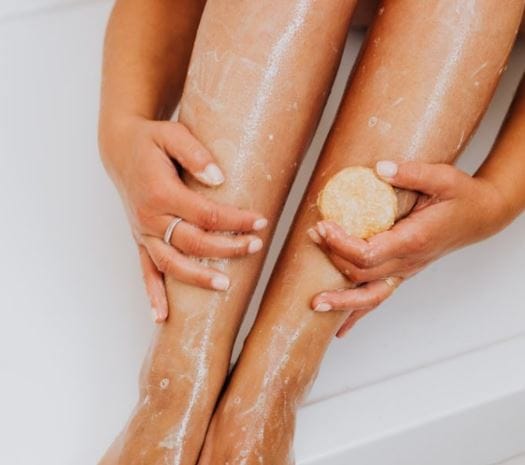
Removing wax residue after a hair removal session is a common challenge, but it need not be a frustrating one. The key lies in understanding that wax is an oil-based substance, and therefore, the most effective removal methods rely on the principle of “like dissolves like.” This article provides a comprehensive, professional guide to safely and efficiently removing wax from your skin, ensuring a smooth and comfortable finish.
Why Wax Residue Occurs
Wax residue is a frequent occurrence, even with perfect technique. It can happen for several reasons:
- Skin Preparation: If the skin is too clean or freshly washed, it can lack the natural oils that help the wax adhere primarily to the hair rather than the skin .
- Application: Applying the wax too thickly can make it difficult for the strip to grip and remove everything in one pull .
- Technique: Removing the wax strip slowly or pulling it upwards instead of flat against the skin can cause the strip to break, leaving residue behind .
Understanding these causes is the first step to both preventing future issues and resolving current ones effectively.
Method 1: The Oil Dissolution Method (Recommended)
This is the most widely recommended and effective method for removing wax residue. Oils penetrate the wax, breaking its bond with the skin and allowing it to be wiped away gently. This method is suitable for all skin types .
Procedure:
- Select Your Oil: Choose a natural or mineral-based oil such as:
- Saturate a Pad: Soak a cotton ball or pad generously with your chosen oil. For large areas, a paper towel can be used .
- Apply and Wait: Press the saturated pad firmly onto the wax residue and hold for 30 seconds to 2 minutes. This allows the oil to penetrate and soften the wax. Warmer oil works more effectively .
- Gently Wipe: Using the pad, gently rub the area in a circular motion. The wax should begin to dissolve and lift off the skin .
- Cleanse: After the wax is removed, wash the area with mild soap and warm water to remove the excess oil. Pat the skin dry .
Method 2: Petroleum Jelly (Vaseline)
This acts on the same principle as oil. Petroleum jelly is an occlusive agent that will soften the wax, allowing for easy removal.
Procedure:
- Apply a generous layer of petroleum jelly directly to the wax residue .
- Allow it to sit for about five minutes .
- Wipe away the jelly and wax residue with a clean cotton pad or soft cloth .
Method 3: Hot Water Compress
This method uses heat to soften the wax, making it easier to remove. It is often best combined with another method for the most stubborn residue.
Procedure:
- Soak a clean washcloth in hot (not boiling) water and wring it out .
- Apply the warm compress to the affected area for about 60 seconds to soften the wax .
- Gently wipe the wax away with the cloth .
Method 4: Alcohol (Use with Caution)
Rubbing alcohol is an effective solvent that can dissolve wax. However, it can be harsh and drying to the skin, so this method should be used sparingly.
Procedure:
- Dip a cotton pad in rubbing alcohol .
- Gently rub the residue in a circular motion until it dissolves or lifts .
- Crucial Aftercare: Immediately apply a moisturizing lotion or oil to the area to prevent irritation and restore the skin’s barrier .
Method 5: Ice (For Hard Wax)
This method is best suited for hard wax, which becomes brittle when cooled. It is less effective for soft wax, which tends to remain pliable.
Procedure:
- Hold an ice cube over the residual wax for about 30 seconds to harden it .
- The wax should become brittle and can be gently flaked off. Do not scrape or pick aggressively as this can damage the skin .
Comparative Analysis of Wax Removal Methods
The Role of Sugar Wax and Water
It is crucial to distinguish between traditional waxes and sugar-based waxes (sugaring). Traditional wax is oil-based and requires an oil-based remover. However, sugar wax is water-soluble. If you have sugar wax residue, simply rinse it away with warm water and a soft cloth . Using oil on sugar wax is unnecessary.
Aftercare: Calming and Protecting the Skin
Once the wax residue is removed, post-wax care is essential to soothe the skin and prevent irritation. This is a critical step for maintaining skin health and comfort.
- Cleanse: After any removal method, wash the area with mild soap and warm water to remove any residual product.
- Soothe: Apply a post-wax oil or lotion. Post-wax oils are excellent for deep hydration and are particularly beneficial for dry or sensitive skin . Post-wax lotions are lighter, absorb faster, and are ideal for normal to oily skin types . Look for ingredients like aloe vera, chamomile, or azulene, which are known for their calming properties .
- Avoid: For the next 24–48 hours, avoid hot showers, saunas, and tight clothing to allow the skin to breathe and heal properly .
Professional Products for Wax Residue Removal
For those seeking a formulated product, several reputable brands offer effective solutions. These are often preferred by professionals for their consistency and skin-friendly ingredients .
Conclusion
Removing wax residue is an integral part of the hair removal process. The best method depends on the type of wax used and individual skin sensitivity. The oil dissolution method stands out as the most versatile and gentle approach, suitable for most situations. By following the correct technique and prioritizing aftercare, you can ensure your skin remains smooth, residue-free, and comfortable.