Common Mistakes to Avoid During Injury Recovery at Home
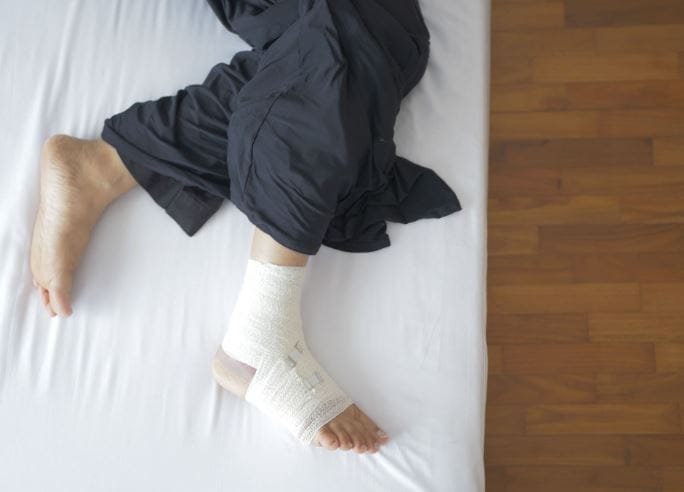
Sustaining an unexpected physical injury throws a massive wrench into your daily routine, demanding an immediate shift toward healing, rest, and structured rehabilitation. While recovering in the familiar comfort of your own home sounds like an ideal scenario, it actually presents a unique set of challenges that can easily jeopardize your long-term health if not managed carefully by the patient.
Many individuals unintentionally prolong their healing process by falling into common, easily avoidable traps during their home rehabilitation journey. Recognizing these specific pitfalls allows you to safeguard your body from secondary damage, protect your legal rights, and ensure a smooth, highly efficient path back to full wellness.
Returning to Physical Activity Too Quickly
The desire to regain normalcy and return to your career often drives injured individuals to resume physical activities before their tissues have fully healed. Eagerness to get back to work, household chores, or regular exercise routines can easily mask underlying structural vulnerabilities, creating an incredibly high risk for a painful and debilitating reinjury.
Rushing the natural biological healing timeline frequently transforms manageable acute injuries into debilitating chronic conditions that require long-term medical care. Muscles, ligaments, tendons, and bones require consistent, uninterrupted time to rebuild structural integrity, and premature strain completely disrupts this delicate cellular repair process.
Patients must listen carefully to their bodies and strictly follow medical guidance regarding activity restrictions rather than constantly testing their physical limits prematurely. Maintaining strict patience during the initial phases of home recovery prevents long-term physical setbacks and avoids resetting your entire healing timeline.
Neglecting Prescribed Home Exercise Regimens
Doctors, orthopedic specialists, and physical therapists often prescribe specific therapeutic movements designed to safely restore mobility and strength during home recovery periods. Skipping these customized movements or failing to perform them with the recommended frequency significantly slows down your overall musculoskeletal rehabilitation progress.
True compliance requires an immense amount of personal discipline, especially when the required exercises cause mild discomfort or feel incredibly repetitive over time. Neglecting these targeted routines allows supportive muscles to atrophy and affected joints to stiffen, which severely delays your ultimate physical recovery and functional independence.
Committing fully to your prescribed home routine ensures that your body heals symmetrically while retaining its necessary functional range of motion. Viewing these daily physical exercises as mandatory appointments for your health will help maximize your long-term recovery outcomes and prevent future vulnerability.
Failing to Seek Timely Legal Representation
When a severe injury occurs due to someone else’s negligence, focusing solely on physical healing can cause you to overlook important legal deadlines. Consulting a qualified Houston personal injury attorney or attorney in your area early in your recovery helps protect your right to financial compensation for medical bills and lost wages.
Gathering evidence, obtaining official accident reports, and negotiating with aggressive insurance adjusters requires professional expertise that you may lack while resting. An experienced legal advocate handles these complex legal tasks on your behalf, reducing emotional stress so you can focus entirely on recuperation and therapy.
Delaying legal action can result in the loss of crucial physical evidence or the absolute expiration of the statute of limitations. Securing legal counsel early ensures that your financial future remains protected while you work diligently on regaining your physical health and wellness.
Failing to Attend Follow-Up Medical Appointments
Skipping scheduled doctor appointments or physical therapy evaluations is a critical error that can permanently limit your physical capabilities. Patients who skip follow-up physical therapy evaluations report a 30% lower functional mobility score after six months.
Routine clinical checkups allow healthcare providers to closely monitor your healing progress, adjust treatment plans, and identify underlying complications before they worsen. Missing these vital sessions leaves you completely without professional guidance when you need to make crucial adjustments to your ongoing recovery strategy.
Consistent medical documentation serves as indispensable evidence if your injury resulted from an accident caused by another party’s negligence. Keeping every single appointment establishes an undeniable timeline of your physical injuries and clearly demonstrates your personal commitment to getting better to insurers.
Mismanaging Pain Medications and Self-Medicating
Managing pain effectively is crucial for maintaining daily comfort, but relying on unapproved dosages or self-medicating presents severe physiological dangers. Misusing over-the-counter anti-inflammatory drugs or prescription pills can dangerously mask worsening symptoms that actually require urgent medical intervention from professionals.
- Masking your physical pain completely often tricks you into overexerting yourself, leading to further tissue damage without your immediate knowledge.
- Improper medication use can cause severe adverse side effects, including dangerous gastrointestinal bleeding or harmful interactions with other prescribed treatments you take.
Safe recovery requires that you adhere strictly to the precise dosing instructions provided by your pharmacist or primary physician during home care. Always report any unexpected changes in your pain levels to your doctor instead of independently altering your medication amounts or schedules.
Ignoring Early Warning Signs and Pain Signals
Pain serves as the human body’s primary alarm system, signaling precisely when an activity or posture is causing active structural harm. Ignoring these critical warning signs during home rehabilitation frequently contributes to painful secondary compensation injuries that are exceptionally difficult to treat later on.
Pushing through severe pain under the mistaken belief that discomfort accelerates healing can cause long-lasting or even irreversible tissue damage. When you alter your movements to avoid localized pain, you place unnatural, excessive stress on surrounding joints and muscle groups.
Distinguishing between the normal discomfort of tissue rehabilitation and sharp, problematic pain is absolutely essential for a safe recovery. Rest immediately whenever your body signals distress, and consult a qualified healthcare professional if the pain persists or intensifies without explanation.
Overlooking Proper Nutrition and Hydration Needs
Cellular healing requires an immense amount of metabolic energy, making proper nutrition a cornerstone of any successful home recovery plan. Failing to consume adequate amounts of protein, essential vitamins, and minerals deprives your biological systems of the building blocks needed for tissue repair.
Hydration plays an equally vital role by efficiently transporting key nutrients to injured areas and flushing out accumulated cellular waste products. Neglecting your daily diet during extended periods of low activity can severely stall collagen synthesis and weaken your immune system’s defensive responses.
Focus intently on maintaining a balanced diet rich in whole foods, lean proteins, and hydrating fluids to fuel your recovery. Developing proper dietary habits provides the physical stamina necessary to undergo rehabilitation exercises and sustain the overall healing process over time.
Recovering from a serious injury at home demands a careful balance of rest, disciplined medical compliance, and proactive decision-making. Avoiding these common mistakes preserves your physical well-being and sets the stage for a complete, highly successful rehabilitation process that restores your vitality.
Prioritizing your overall health through consistent medical follow-ups, proper self-care habits, and professional legal guidance ensures that you navigate this challenging period safely. Take control of your recovery today to secure a healthier, more physically stable tomorrow for yourself and your loved ones.