Choosing Materials and Layouts That Make Cleaning More Efficient
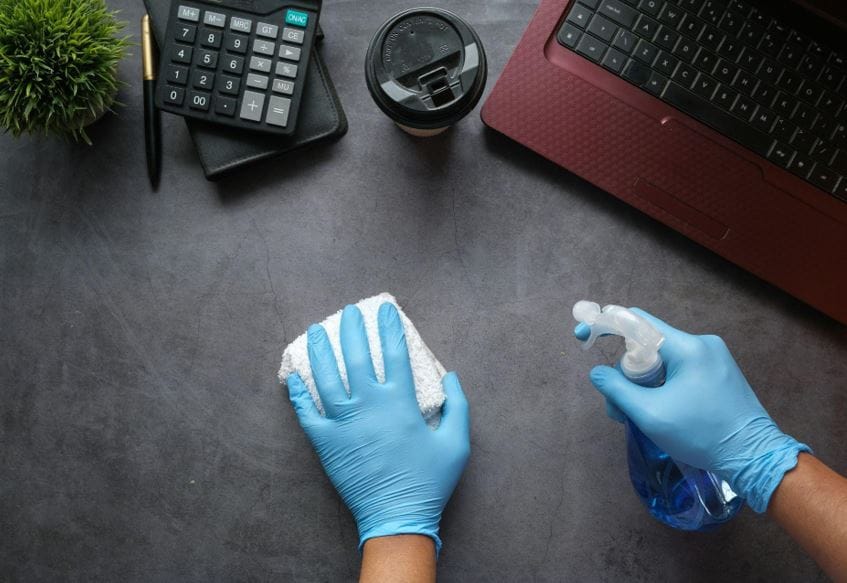
Keeping a home clean is not just about routine effort, it is heavily influenced by the materials used and the way spaces are designed. Many cleaning challenges stem from surfaces that trap dust, layouts that create hard-to-reach areas, or finishes that require constant upkeep. As a result, homeowners are increasingly thinking about maintenance during the design phase, rather than addressing issues after they appear.
By selecting the right materials and organizing spaces thoughtfully, it becomes much easier to maintain a clean and functional home. Efficient design reduces the time spent on daily tasks and helps preserve the appearance of a space over the long term. When cleaning is simplified through smart choices, the entire home feels more manageable and comfortable.
Outdoor Planning Reduces Dirt Brought Indoors
One of the most overlooked aspects of maintaining a clean home starts outside. Outdoor surfaces, pathways, and landscaping directly influence how much dirt, dust, and debris enter the home. Poorly planned outdoor areas can quickly lead to increased cleaning demands inside.
Approaches used in landscape design and installation show how structured outdoor planning can minimize this issue. Defined walkways, proper drainage, and durable surfaces help reduce the amount of dirt carried indoors, making it easier to maintain interior cleanliness without extra effort.
Durable Flooring Simplifies Maintenance
Flooring is one of the most important factors in determining how easy a home is to clean. Materials that resist stains, scratches, and moisture are significantly easier to maintain than those that require special care. Smooth surfaces also allow for quicker cleaning and prevent buildup in hard-to-reach areas.
High-quality flooring options such as https://woodplank.com/ reflect how material selection can improve both durability and ease of maintenance. Choosing finishes that are designed for everyday use helps reduce cleaning time while maintaining a consistent appearance.
Layout Design Eliminates Hard-to-Reach Areas
The way a space is arranged has a direct impact on how easy it is to clean. Tight corners, unnecessary obstacles, and poorly placed furniture can make routine cleaning more time-consuming and less effective. Open layouts with clear pathways allow for easier movement and better access to all areas.
When spaces are designed with cleaning in mind, even simple tasks become more efficient. This includes considering how furniture is positioned, how storage is organized, and how different areas connect. A well-planned layout reduces friction in daily routines and supports long-term maintenance.
Surface Finishes Influence Cleaning Effort
Not all surfaces are created equal when it comes to maintenance. Some finishes are more prone to showing fingerprints, dust, or water marks, requiring frequent cleaning to maintain their appearance. Others are designed to be more forgiving, making them easier to care for over time.
Choosing finishes that balance aesthetics with practicality can significantly reduce cleaning demands. Matte surfaces, textured finishes, and materials designed to resist buildup are often more manageable in everyday use. These choices help maintain a clean look without constant attention.
Storage Solutions Keep Clutter Under Control
Clutter is one of the biggest obstacles to efficient cleaning. Without proper storage, items accumulate on surfaces, making it harder to maintain order and increasing the time required for cleaning tasks. Effective storage solutions help keep spaces organized and reduce visual clutter.
Built-in storage, multi-functional furniture, and clearly defined spaces for everyday items all contribute to a more organized environment. When everything has a place, cleaning becomes quicker and more straightforward, allowing homeowners to maintain a tidy space with less effort.
Airflow and Ventilation Reduce Dust Buildup
Air quality and ventilation play a significant role in how quickly dust accumulates in a home. Poor airflow can lead to stagnant air and increased dust buildup, making cleaning more frequent and time-consuming.
According to the U.S. Environmental Protection Agency, proper ventilation helps reduce indoor pollutants and improves overall air quality. By maintaining airflow and using effective filtration systems, homeowners can reduce dust accumulation and make cleaning tasks more manageable.
Consistent Materials Create Cohesive Cleaning Routines
Using consistent materials throughout a home can simplify cleaning routines. When similar surfaces are used across different areas, the same cleaning methods and products can be applied, reducing complexity and saving time.
This approach also creates a more cohesive visual appearance, reinforcing the overall design. By aligning material choices with maintenance needs, homeowners can achieve both aesthetic consistency and practical efficiency.
Small Design Choices Lead to Long-Term Efficiency
Many of the most effective strategies for maintaining a clean home come from small, intentional design decisions. Choosing the right materials, organizing spaces thoughtfully, and planning layouts carefully all contribute to long-term efficiency.
Over time, these choices reduce the effort required to keep a home clean and functional. By focusing on practicality from the beginning, homeowners can create spaces that are not only visually appealing but also easy to maintain in everyday life.