Smart Ways to Maintain Outdoor Areas Without Extra Effort
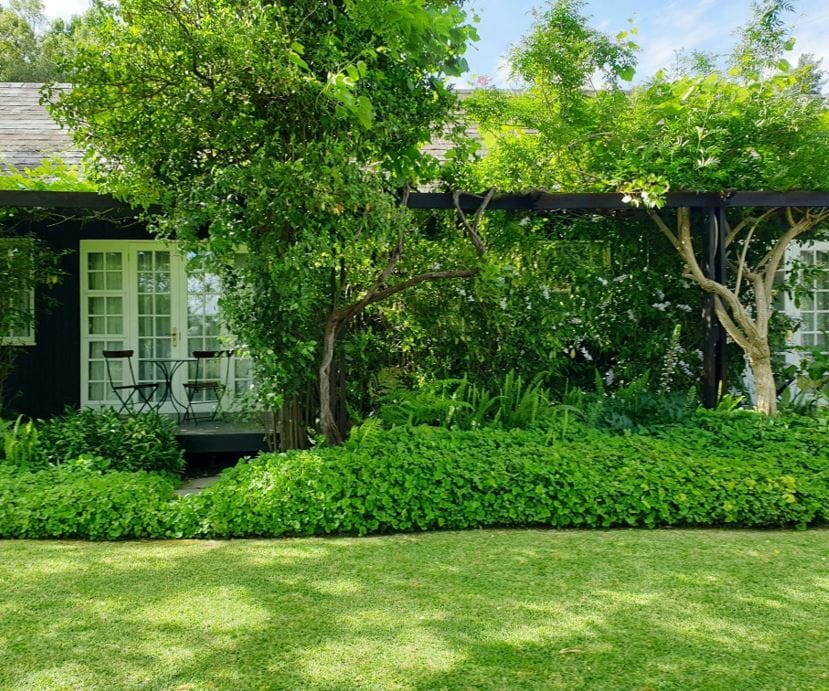
Outdoor areas play an important role in how a home feels and functions, offering space for relaxation, social gatherings, and everyday use. However, maintaining these spaces can often feel like a continuous responsibility, especially when weather conditions, seasonal changes, and regular wear start to take a toll. Many homeowners find themselves spending more time than expected trying to keep patios, yards, and exterior features in good condition.
The key to simplifying outdoor maintenance lies in making thoughtful decisions early and focusing on long-term efficiency rather than constant upkeep. By choosing durable materials, maintaining structural elements, and adopting practical routines, it becomes possible to keep outdoor areas looking clean and functional without adding unnecessary effort. Small, consistent actions often make the biggest difference, allowing homeowners to enjoy their spaces rather than constantly managing them.
Structural Maintenance Prevents Bigger Issues
Outdoor spaces rely heavily on structural elements that protect the rest of the property. Roofing edges, drainage systems, and exterior surfaces all contribute to how well a home withstands environmental exposure. When these areas are neglected, small issues can quickly turn into larger problems that require more time and effort to fix.
Attention to exterior protection, as demonstrated by Roof Geeks Greater Sacramento, shows how maintaining structural integrity can significantly reduce long-term maintenance needs. By ensuring that water is directed properly and surfaces remain intact, homeowners can prevent damage that would otherwise affect surrounding outdoor areas. This proactive approach minimizes unexpected repairs and keeps maintenance manageable over time.
Durable Materials Reduce Long-Term Effort
One of the most effective ways to reduce outdoor maintenance is by selecting materials that are built to last. Surfaces exposed to sunlight, moisture, and temperature changes need to withstand these conditions without deteriorating quickly. Materials that resist fading, cracking, or warping require less attention and maintain their appearance for longer periods.
Outdoor fixtures and features, such as those available through https://hdflagpoles.com/, reflect the importance of durability in design. High-quality materials not only improve the visual appeal of outdoor spaces but also reduce the frequency of repairs and replacements. By investing in reliable options from the start, homeowners can avoid ongoing maintenance tasks that often result from lower-quality materials.
Simple Cleaning Routines Keep Spaces Looking Fresh
Keeping outdoor areas clean does not have to be time-consuming if approached consistently. Small, regular actions such as sweeping surfaces, rinsing patios, and clearing debris from walkways can prevent buildup that becomes harder to manage over time. These simple routines help maintain a clean and inviting environment without requiring extensive effort.
Consistency is more effective than occasional deep cleaning. When maintenance becomes part of a routine, it feels less like a chore and more like a natural part of caring for the home. Over time, this approach reduces the need for more intensive cleaning, making it easier to keep outdoor spaces in good condition.
Smart Landscaping Choices Lower Maintenance Needs
Landscaping plays a major role in determining how much effort is required to maintain outdoor areas. Choosing plants that are suited to the local climate can significantly reduce watering, trimming, and general upkeep. Native or low-maintenance plants tend to thrive with minimal intervention, making them ideal for homeowners looking to simplify care.
In addition to plant selection, efficient irrigation systems can further reduce maintenance demands. Proper watering schedules and systems help maintain plant health while conserving resources. By planning landscaping carefully, homeowners can create visually appealing outdoor spaces that remain easy to manage throughout the year.
Organization Improves Functionality and Ease
An organized outdoor space is much easier to maintain than one that lacks structure. When tools, furniture, and equipment are stored properly, cleaning and upkeep become more efficient. Clutter not only affects appearance but also makes maintenance tasks more difficult and time-consuming.
Creating designated areas for storage helps streamline everyday use and maintenance. Whether it involves simple storage solutions or more structured organization, having a system in place ensures that everything remains accessible and easy to manage. This reduces the effort required to maintain outdoor spaces and contributes to a more functional environment.
Preventive Maintenance Supports Long-Term Performance
Preventive maintenance is one of the most effective strategies for reducing effort over time. Addressing minor issues before they develop into larger problems helps preserve the condition of outdoor areas and prevents disruptions. Tasks such as sealing surfaces, checking fixtures, and inspecting structural elements can be completed quickly but have a lasting impact.
According to the U.S. Environmental Protection Agency, maintaining outdoor environments through consistent care can reduce long-term environmental wear and improve overall property conditions. This reinforces the value of taking small, proactive steps to protect outdoor spaces from deterioration.
Small Improvements Create Lasting Results
Maintaining outdoor areas does not require major renovations or significant investments. Often, the most effective changes are small improvements that enhance both function and appearance. Updating lighting, improving airflow, or adding protective finishes can make a noticeable difference without requiring extensive effort.
Over time, these incremental improvements contribute to a more balanced and resilient outdoor space. By focusing on details and maintaining consistency, homeowners can create environments that remain comfortable and easy to manage. The result is an outdoor area that supports everyday living without becoming a constant source of maintenance.