How to Clean a Truck Bed Liner: A Complete Professional Guide
Meta Description: Learn how to clean a truck bed liner correctly. This professional guide covers spray-in vs. drop-in care, step-by-step methods, stain removal, and essential mistakes to avoid for long-term durability.
Introduction
A truck bed liner is an investment designed to protect your vehicle’s cargo area from the punishment of daily hauling, construction materials, and outdoor gear. However, the liner itself is not immune to the accumulation of dirt, oil, and chemical residue. Neglecting the liner not only leads to a faded, unprofessional appearance but can also compromise the structural integrity of the truck bed beneath it through trapped moisture and corrosion.
Cleaning a bed liner is not a one-size-fits-all task. The methodology differs significantly depending on whether you have a spray-in polyurethane coating or a drop-in plastic liner. This guide provides a professional, structured approach to restoring your liner, utilizing the correct tools and techniques to ensure the surface remains intact and the truck bed remains rust-free.
Understanding Your Liner: Spray-In vs. Drop-In
Before applying any cleaner, you must identify the liner type. The construction dictates the cleaning pressure, chemical compatibility, and maintenance frequency.
Step-by-Step Cleaning Protocol
Step 1: Remove Loose Debris (Dry Cleaning)
Do not introduce water to a bed full of gravel and dirt. This creates an abrasive slurry that can scratch the liner surface during scrubbing. Use a stiff push broom or a shop vacuum to remove all loose sand, gravel, leaves, and construction dust. Pay specific attention to the corners and the front wall of the bed where debris tends to accumulate .
Step 2: Pre-Rinse and Degrease
Using a garden hose or a pressure washer set to a wide fan pattern, rinse the entire bed to loosen caked-on mud. If you notice oil, grease, or paint transfer, apply an automotive-specific all-purpose cleaner (APC) or a light degreaser directly to those areas. Allow the chemical to dwell for 2–3 minutes to emulsify the grime, but do not let it dry on the surface .
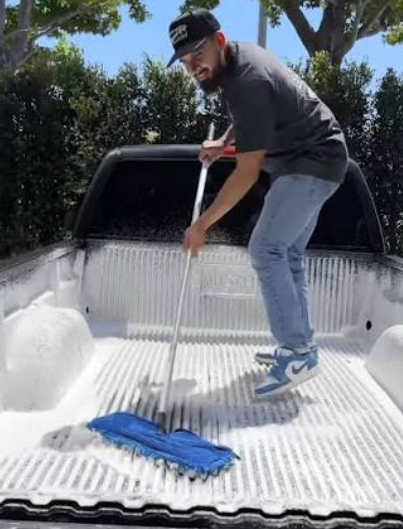
Step 3: Agitation and Scrubbing
- For Spray-In Liners: Use a medium-stiff nylon brush. The textured surface requires agitation to lift dirt from the “valleys” of the coating. Avoid wire brushes or steel wool, which will permanently damage the texture .
- For Drop-In Liners: Use a softer brush or a microfiber sponge. If the liner is heavily soiled, remove it from the truck entirely. Cleaning underneath a drop-in liner is critical; trapped dirt and moisture between the plastic and the metal bed are the primary causes of rust in lined trucks .
Step 4: Rinse and Dry Completely
Thoroughly rinse the liner until the water runs clear and no soap residue remains. Residue is the enemy of a clean finish; leftover soap attracts dust and can leave a dull film. Use a leaf blower or compressed air to force water out of the seams and drain channels, followed by a microfiber towel dry. Allowing water to pool in the bed leads to mildew and odor .
Stain-Specific Treatment Guide
Different contaminants require specific chemical responses. Using the wrong cleaner can set the stain or damage the liner.
Critical Mistakes to Avoid
To ensure the longevity of your liner, avoid these common pitfalls:
- Using Silicone-Based Protectants: Many general-purpose “tire shine” or dashboard protectants contain silicone. Applying silicone to a spray-in liner creates a slippery surface that reduces traction (a safety hazard) and can actually degrade the polyurethane over time. Always use a silicone-free conditioner specifically formulated for bed liners .
- Excessive Pressure Washing: While a pressure washer is useful, holding the nozzle too close to the liner—especially at seams or edges—can force water underneath the coating or plastic, leading to rust and liner lifting. Keep the nozzle moving and maintain a safe distance .
- Ignoring Chemical Spills: Chlorine, battery acid, and industrial solvents can bleach or soften the liner if left to sit. If you haul chemicals, rinse the bed immediately after unloading .
- Scrubbing with Abrasives: Steel wool and abrasive pads create micro-scratches. These scratches create a rougher texture that actually attracts and traps more dirt in the future, making subsequent cleanings harder .
Frequently Asked Questions (FAQ)
Q1: Can I use a pressure washer on a spray-in bed liner?
A: Yes, but with strict parameters. You must use a wide fan tip (typically 40 degrees) and keep the pressure under 1,000 PSI. High-pressure pinpoint streams can slice through the liner or force water into the seams, causing the coating to lift. Always keep the wand moving and never focus the spray on one spot for more than a second .
Q2: How do I remove the white, chalky haze from my black plastic bed liner?
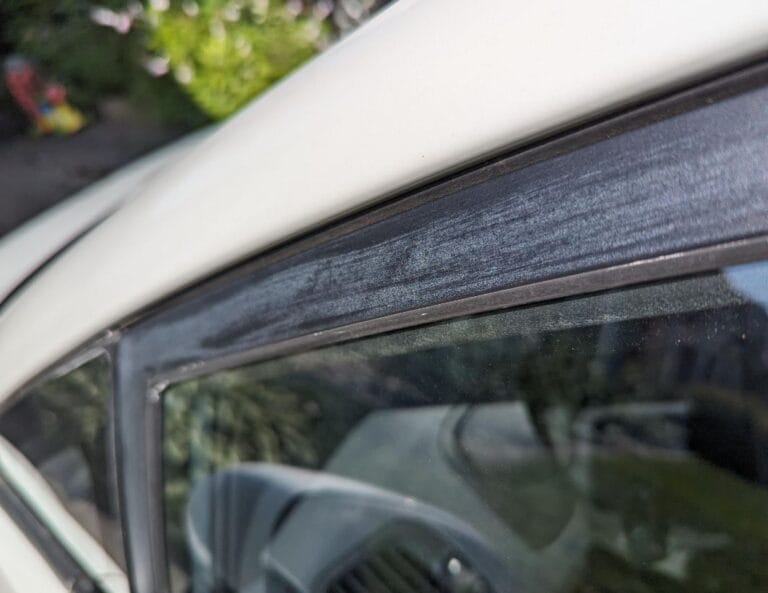
A: The white haze is typically oxidation caused by UV exposure. Standard washing will not remove it. You need a dedicated plastic restorer or a silicone-free trim coating. After a deep clean with a degreaser, apply a ceramic-based or dye-based trim restorer. These products penetrate the oxidized layer and restore the deep black color, often lasting for months .
Q3: Is it safe to use household bleach to clean mold or mildew from the bed liner?
A: No. Bleach is highly alkaline and can discolor or bleach the pigment out of both spray-in and drop-in liners. It also leaves behind a residue that can be corrosive to the metal bed underneath. For mold or mildew, use a dedicated automotive mildew remover or a mixture of mild soap and warm water, then ensure the bed is thoroughly dried. If the mold is underneath a drop-in liner, the liner must be removed and the bed sanitized .
Q4: Can I use the same soap I use to wash the truck’s exterior on the bed liner?
A: Yes, a high-quality automotive car wash soap is perfectly safe and effective for routine cleaning of both spray-in and drop-in liners. Car wash soaps are designed to be gentle on plastic and rubber while lifting dirt without stripping protective coatings. Avoid household dish soaps (like Dawn) for routine use, as they can strip waxes and oils over time, though they are acceptable for occasional degreasing .
Q5: How often should I remove my drop-in plastic liner to clean underneath?
A: You should remove and inspect a drop-in liner at least once every 6 to 12 months, or immediately if you notice water pooling or a musty smell. Drop-in liners are notorious for trapping fine grit and moisture against the truck bed paint. This trapped mixture acts like sandpaper and a sponge, leading to accelerated rust and paint wear. If you frequently drive on dirt roads or in winter salt conditions, increase the frequency to every 3–4 months .