How to Clean Hair Brushes with Vinegar: A Professional Guide to Hygiene and Tool Longevity
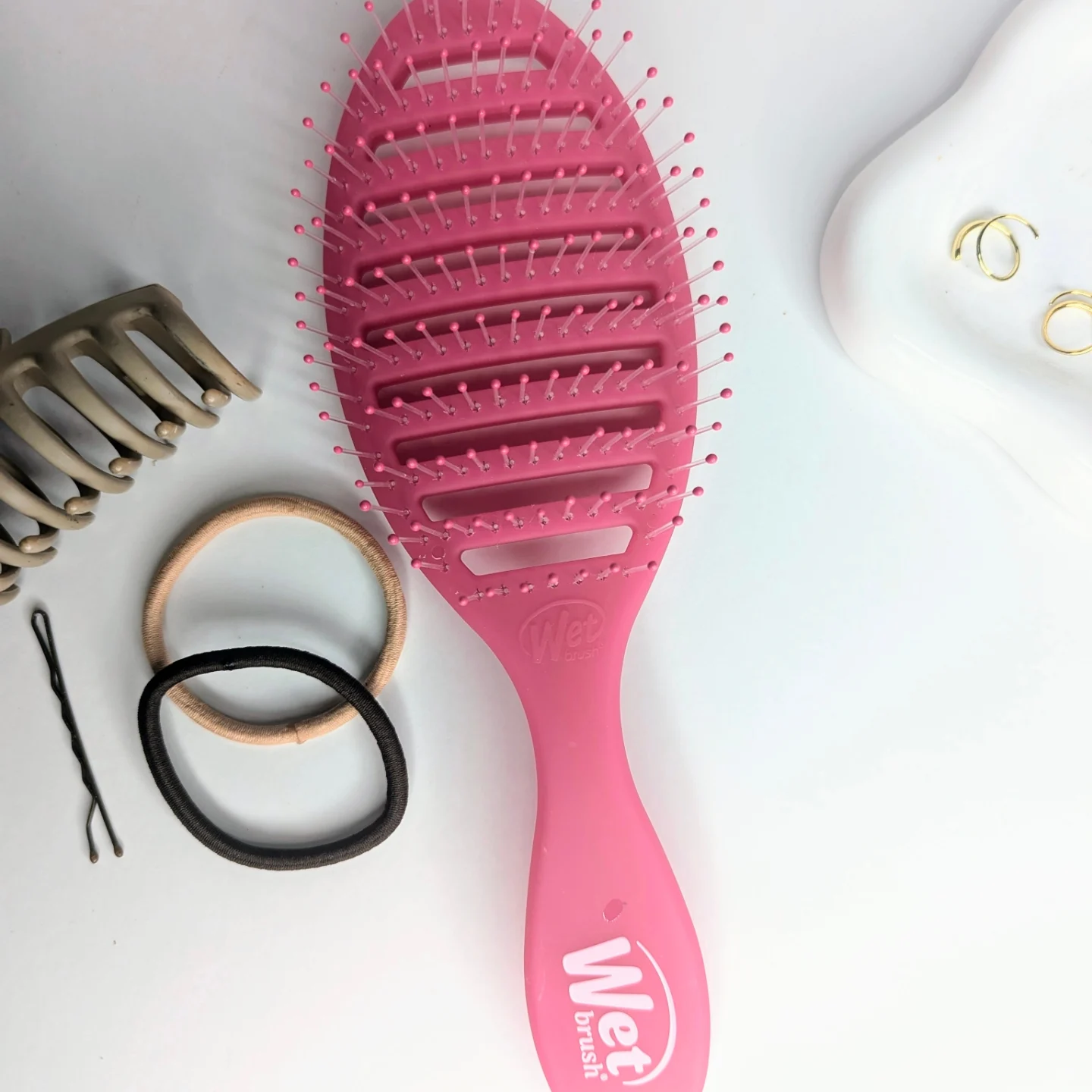
Hair brushes are among the most neglected tools in personal hygiene. Over time, they accumulate a biofilm of dead skin cells, natural oils (sebum), dust, lint, and product residue. This buildup not only reduces brushing efficacy but also transfers bacteria back to clean hair, potentially contributing to scalp irritation, folliculitis, and reduced hair shine.
White distilled vinegar—a mild acetic acid solution—offers a cost-effective, chemical-light solution for deep cleaning. Below is a professional, step-by-step methodology for cleaning hair brushes with vinegar, including comparative data on techniques.
Why Vinegar? The Chemical Rationale
Vinegar’s acetic acid (typically 5–8% concentration) acts as a natural descaling agent and antimicrobial. It dissolves alkaline mineral deposits from hard water, breaks down waxy sebum, and neutralizes fungal elements like Malassezia (a common scalp yeast). Unlike bleach or alcohol, vinegar does not degrade natural rubber cushion pads or wooden handles when diluted properly.
Equipment and Materials Needed
- White distilled vinegar (not apple cider or wine vinegar—these contain sugars and pigments)
- Warm water
- A wide bowl or sink basin
- An old toothbrush or small cleaning brush
- Microfiber cloth
- Optional: mild dish soap (for first-stage degreasing)
Step-by-Step Protocol: Vinegar-Only Deep Clean
Step 1 — Dry Removal
Remove all loose hair strands using a rat-tail comb or a brush cleaning tool. Discard hair in waste (not drain).
Step 2 — Prepare Vinegar Solution
Mix 1 part white vinegar with 3 parts warm water in a bowl. For heavy buildup, use a 1:2 ratio (vinegar:water).
Step 3 — Submerge (Selectively)
- Plastic brushes (paddle, vent): Fully submerge for 20–30 minutes.
- Wooden brushes or cushioned brushes: Submerge only the bristles, not the base or handle. Hold brush bristles-down, keeping the wood dry. Soak for 10–15 minutes.
Step 4 — Agitate
Using an old toothbrush, scrub between bristles, at the base, and around cushion edges. Pay attention to the pad’s rim—oil collects here.
Step 5 — Rinse and Neutralize
Rinse thoroughly with cool water. To remove vinegar odor, rinse with diluted dish soap (1 tsp per 2 cups water) followed by clear water.
Step 6 — Dry
Shake off excess water. Place brush bristle-side down on a towel. Air-dry completely (4–8 hours) before use. Never use heat.
Comparative Cleaning Methods
Below is a professional comparison of common hair brush cleaning techniques. Vinegar is optimal for routine deep cleaning without chemical residue.
| Method | Efficacy on Oil | Efficacy on Bacteria | Material Safety | Residue | Time | Cost per Clean |
|---|---|---|---|---|---|---|
| White vinegar (1:3) | High | Moderate (acetic acid) | High (except unsealed wood) | None | 25 min | $0.05 |
| Dish soap + warm water | High | Low | High | Mild surfactant | 10 min | $0.10 |
| Baking soda paste | Moderate | Low | Moderate (abrasive) | Alkaline residue | 15 min | $0.08 |
| Hydrogen peroxide 3% | Low | High | Moderate (bleaches nylon) | None | 10 min | $0.25 |
| Commercial brush cleaner | High | High | High | Perfumes/ preservatives | 5 min | 1.50–1.50–3.00 |
Professional verdict: Vinegar is the best balance of low cost, material safety, and antimicrobial action for routine monthly cleaning.
Frequency and Brush-Type Adjustments
| Brush Type | Vinegar Cleaning Frequency | Special Consideration |
|---|---|---|
| Nylon paddle brush (plastic) | Every 2–4 weeks | Full submersion safe |
| Boar bristle brush | Every 1–2 weeks | Use 1:4 vinegar ratio; avoid cushion soak |
| Mixed nylon/boar | Every 3 weeks | Rinse immediately after soak |
| Wooden brush (unsealed) | Every 4–6 weeks | Bristles-only dip; dry vertically |
| Round thermal brush | Every 1–2 weeks | No submersion; apply solution with spray bottle |
Common Mistakes to Avoid
- Using undiluted vinegar – Can degrade nylon bristles and cause brittleness.
- Soaking wooden handles – Leads to warping, cracking, and mold growth in cushion interiors.
- Skipping the dry-hair removal – Hair clogs the drain and reduces solution contact with bristle bases.
- Reassembling damp brushes – Trapped moisture fosters bacterial regrowth within 12 hours.
Final Professional Recommendation
For optimal scalp health and brush longevity, clean all hair brushes with a 1:3 white vinegar to warm water solution every 2–4 weeks. Follow the dry removal → soak → scrub → rinse → air-dry protocol. Pair this with weekly dry lint/hair removal between deep cleans.
Vinegar is not a hospital-grade disinfectant; for brushes used on scalps with active infections (e.g., ringworm, impetigo), replace the brush or use 70% isopropyl alcohol instead. For routine hygiene, vinegar outperforms soap in removing waxy buildup and outperforms chemical cleaners in residue-free safety.