Caring for Custom Wood and Metal Office Furniture

Modern offices investing in custom solid-wood and metal furniture face a care-and-maintenance conversation that often arrives after the pieces are already in place. Daily use, ambient humidity, and cleaning-product chemistry all shape how the wood and metal hold up across years of service. The choice of care routine shapes both the day-to-day appearance and the long-run value of the investment.
The same disciplined evaluation that informs other workspace decisions translates to furniture-selection-and-care. Brands like Parkman Woodworks show the depth offices in Los Angeles and beyond should look for. The maker handcrafts custom desks, conference tables, and meeting tables in solid wood and metal.
Materials come from locally and sustainably sourced suppliers. A modern custom-furniture engagement coordinates the design, the build, the delivery, and the post-install care guidance rather than treating each as a separate decision. The decision rewards a few hours of structured preparation before signing the commission.
Why Has Furniture Care Become More Strategic for Modern Offices?
Three structural shifts have moved care planning into more strategic territory for offices using custom solid-wood and metal pieces. The first is the hybrid-workspace shift. Modern offices increasingly serve both daily users and rotating visitors, with the resulting wear pattern more uneven than a fixed-desking model.
The second is the cleaning-product complexity. Modern cleaning routines often use chemistries that work well on synthetic surfaces but can damage natural wood finishes if applied without care. The third is the longevity-expectation shift. Offices that invested in custom pieces typically expect 10 to 20 year service life rather than the 3 to 5 year cycle of stock office furniture.
The same considered thinking visible in coverage of the pros and cons of olefin fabric for upholstery translates to the wood-and-metal care decision. The right routine extends across years rather than a single quarter.
What Should Offices Verify Before Setting Up a Care Routine?
Six checks belong on every shortlist. The table below summarises what offices should weigh before commitment.
| Criterion | What to Verify | What a Strong Answer Looks Like |
| Maker care guidance | Written instructions | Surface-by-surface care document |
| Cleaning-product compatibility | Wood and metal safe list | Approved product list documented |
| Humidity range | Indoor environment | 35-55% relative humidity year-round |
| Coaster and protection plan | Daily-use friction points | Coasters, mats, and pads in place |
| Refinishing schedule | Long-run maintenance | 5-to-10 year refinish window planned |
| Vendor contact | Post-install support | Named contact for repair or refinish |
A care plan that produces clear answers across these areas signals a routine worth retaining. A plan that deflects on any of them signals improvisation that often produces premature wear. The US EPA’s indoor air quality program outlines the foundational framework facilities teams should understand.
Which Office Categories Reward Specialist Counsel Most?
Three office categories reward routine depth more than the others:
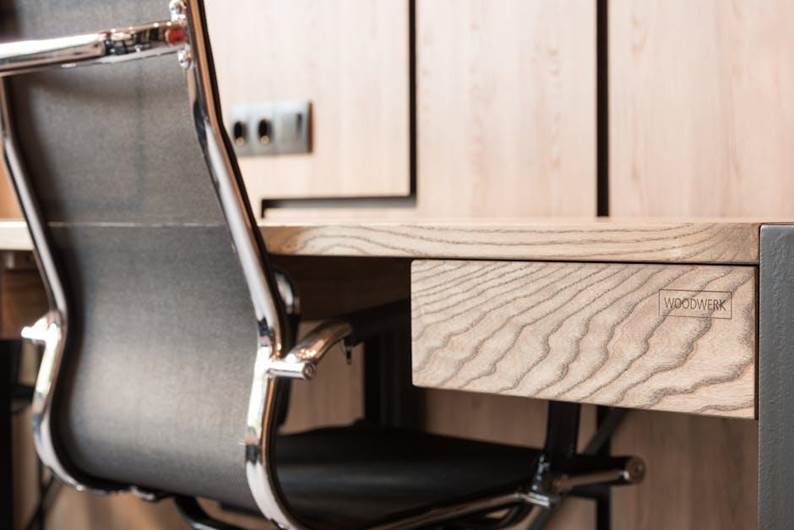
Photo by Max Vakhtbovych on Pexels
Alt text: A maintenance team caring for solid wood office furniture
- Executive-and-conference suites where high-visibility surfaces face daily client interaction and any wear pattern shows up quickly
- Open-plan collaboration spaces where rotating users and shared surfaces produce uneven wear across desks and tables
- Hybrid-work hot-desk environments where surfaces face heavier cycling than traditional fixed-desk setups
The Energy Star reference for commercial buildings outlines the broader environmental framework facilities teams should reference. The first conversation with a maker like Parkman Woodworks typically runs 30 to 60 minutes covering design intent, material selection, and post-install care planning.
What Common Errors Surface in Custom Furniture Care?
Several patterns recur. The first is using all-purpose cleaning sprays on solid-wood surfaces. Many sprays contain solvents that dull or strip oil and wax finishes over time.
The second is treating wood and metal surfaces with the same routine. Wood needs occasional re-oiling or waxing while metal benefits from a different protective regime.
The third is overlooking the humidity question. Solid wood expands and contracts with seasonal humidity changes, and uncontrolled environments produce splits or warping over years.
The fourth is forgetting the friction-point protections. Coasters, desk mats, and edge-guards prevent the most common surface wear patterns. The fifth is delaying the first refinish past the point where light sanding can fully restore the finish. The guidance in a guide to cleaning with dish soap and vinegar suits many surfaces but not raw or oil-finished wood.
What Is the Bottom Line for Offices Caring for Custom Pieces?
The care routine decision rewards offices that plan rather than improvise. The window for thoughtful preparation runs from the design phase through to the install. The right routine coordinates the daily cleaning, the periodic conditioning, the humidity control, and the long-run refinish schedule rather than treating each as a separate engagement.
Whether the office sits in a downtown high-rise, a converted warehouse, or a coastal Los Angeles campus near a maker like Parkman Woodworks, the criteria translate cleanly. The first conversation with the maker should answer specific questions about material choice, finish system, and post-install care. Offices that run real planning early end up with cleaner long-run outcomes than offices that default to whichever generic cleaning routine the facilities vendor brought.
Pre-engagement preparation pays back across the entire service life. Annual conditioning visits keep the surfaces looking right. The first conversation usually carries no fee or a modest design-engagement charge. Custom solid-wood and metal pieces typically cost a premium relative to mass-market stock. The premium typically returns through a longer service life and the visual signal the pieces send to clients and employees.
Frequently Asked Questions
How Often Should Solid-Wood Office Furniture Be Conditioned?
Most oil-finished and waxed solid-wood surfaces benefit from re-oiling or rewaxing every 6 to 12 months in office use. Lacquered or polyurethane finishes typically need less frequent conditioning but still warrant annual inspection. The maker’s care document usually specifies the right schedule and product range. The conditioning routine sits alongside daily wipe-down with a microfibre cloth.
What Cleaning Products Are Safe for Custom Wood Finishes?
Plain microfibre cloth with a small amount of water suits most daily cleaning. Mild pH-neutral cleaners work on lacquered or polyurethane finishes. Oil-and-wax finishes prefer dedicated conditioners from the maker. Ammonia, bleach, and abrasive sprays should be avoided across most natural-wood surfaces.
Does Humidity Really Affect Solid Wood?
Yes. Solid wood gains or loses moisture with the surrounding air, expanding and contracting as a result. Offices that maintain 35 to 55 percent relative humidity year-round typically see minimal movement. Spaces that swing widely across seasons risk splits, warping, or open joints. A simple hygrometer makes the environment visible.
When Should I Plan the First Refinish?
Most solid-wood office surfaces benefit from a light refinish at 5 to 10 years depending on use intensity and finish system. Earlier intervention with light sanding and reapplication typically beats waiting for visible damage. The maker’s post-install document usually specifies the realistic refinish window. Refinishing earlier extends the realistic service life beyond 20 years for most well-made pieces.