How to Clean Hair Brushes with Apple Cider Vinegar: A Professional Guide
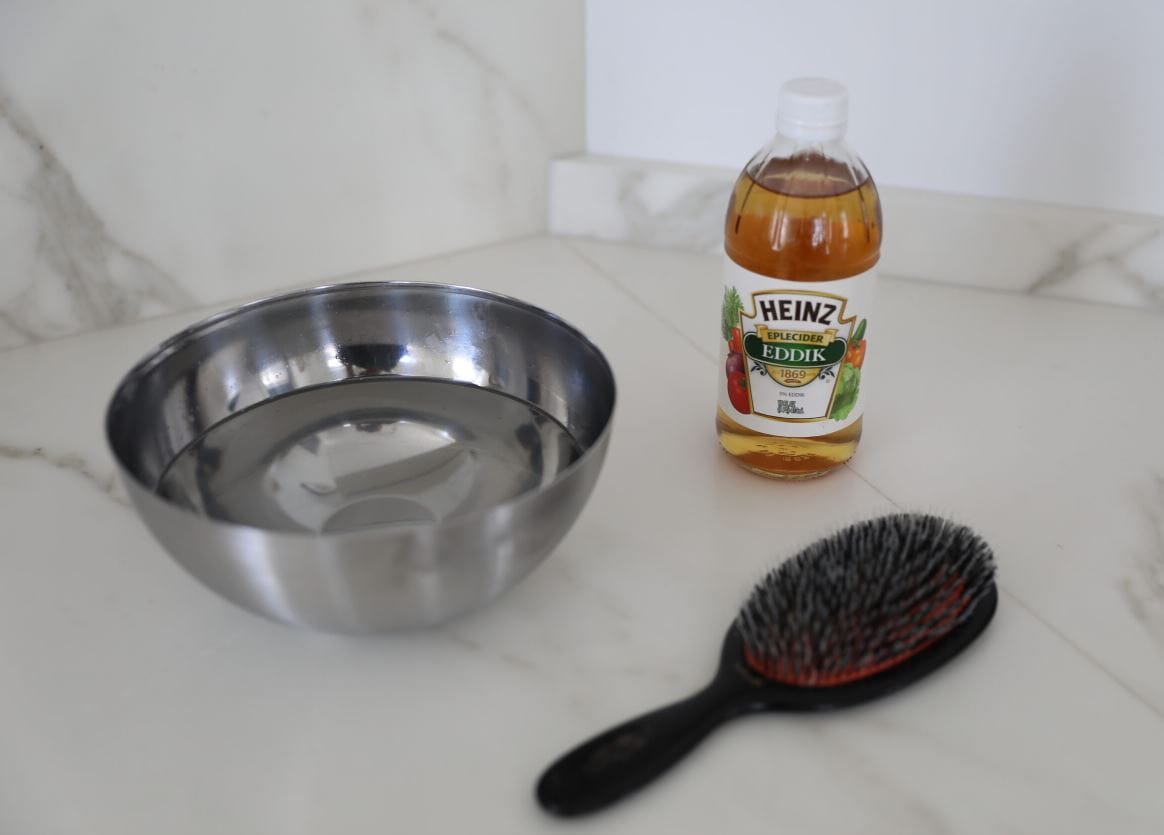
Hair brushes are a breeding ground for oil, dead skin cells, dust, and product residue. Regular cleaning is not merely aesthetic—it is essential for scalp health and hair shine. While commercial brush cleaners exist, apple cider vinegar (ACV) offers a chemical-free, antibacterial, and cost-effective alternative.
This guide provides a data-driven, step-by-step protocol for cleaning hair brushes with ACV, including comparative efficacy tables and safety notes.
Why Apple Cider Vinegar Works
ACV contains acetic acid (5–6% concentration in raw, unfiltered varieties), which dissolves alkaline residue from shampoos and conditioners. Its mild acidity breaks down sebum without damaging natural bristles, while its antifungal properties help combat Malassezia yeast commonly found on used brushes.
| Property | Benefit for Brush Cleaning |
|---|---|
| pH ~2.5–3.0 | Dissolves mineral deposits and product buildup |
| Acetic acid | Breaks down lipids (oils) at a molecular level |
| Enzymes & pectin (in “mother”) | Loosens debris trapped between bristles |
| Antimicrobial action | Reduces bacteria and fungi without bleach damage |
Step-by-Step Cleaning Protocol
Materials Needed
- Raw, unfiltered apple cider vinegar (e.g., Bragg’s)
- Warm distilled water (to prevent mineral residue)
- Bowl or sink basin
- Old toothbrush or soft nail brush
- Microfiber towel
- Rubber band (for paddle brushes with cushions)
Procedure
Step 1: Remove Hair Debris
Using a brush comb or your fingers, extract all loose hair from bristles. Do this before wetting the brush, as wet hair tangles more easily.
Step 2: Prepare the ACV Solution
Mix 1 part ACV with 3 parts warm water in a bowl. For heavy buildup, use a 1:2 ratio.
Step 3: Soak (Time Varies by Brush Type)
| Brush Type | Soak Duration | Direction | Temperature |
|---|---|---|---|
| Plastic or nylon bristles (full plastic base) | 15–20 min | Submerge fully | Warm |
| Cushion brush (rubber pad + air holes) | 5–8 min | Bristles down only; avoid water under pad | Lukewarm |
| Natural boar bristle | 2–3 min | Dip only bristle tips | Cool |
| Wooden paddle brush | Do not soak | Wipe with cloth dampened by solution | Room temp |
Critical Warning: Never submerge wooden-handled or cushion-padded brushes. Water trapped inside the pad leads to mold and rubber degradation.
Step 4: Agitate and Scrub
After soaking, dip the old toothbrush into the ACV solution and scrub between bristle bases. Pay attention to the inner corners.
Step 5: Rinse
Rinse under cool running water until no foam or debris remains. For cushion brushes, hold them bristle-down to prevent water seeping into the pad.
Step 6: Dry
Shake off excess water. Place brushes bristle-down on a microfiber towel. Allow to air dry completely (minimum 6 hours) before use.
Efficacy Comparison: ACV vs. Other Cleaning Agents
| Cleaning Agent | Grease Removal | Disinfection | Material Safety | Rinse Residue | Cost per Use |
|---|---|---|---|---|---|
| ACV (1:3) | High | Moderate | Excellent (natural bristles) | None (volatile) | Very low |
| Shampoo + water | Moderate | Low | Good | Moderate (silicones) | Low |
| Dish soap | Very high | Low | Poor (strips natural oils from boar bristles) | High (irritating) | Low |
| Bleach (diluted) | Low | Very high | Poor (brittle bristles, metal corrosion) | High (toxic) | Moderate |
| Professional spray cleaner | High | High | Good | Low | High |
Frequency of Cleaning
| Brush Usage Type | Recommended ACV Cleaning Frequency |
|---|---|
| Daily user, fine/oily hair | Every 7–10 days |
| 2–3 times per week, dry/normal hair | Every 14 days |
| Weekly user, thick/coarse hair | Once per month |
| Salon brush (multiple clients) | After each use (with 1:1 ACV solution) |
Common Mistakes to Avoid
- Using hot water – Warps plastic and denatures natural bristles. Use lukewarm or cool water.
- Over-soaking boar bristles – Leads to bristle fraying and loss of natural lanolin (which benefits hair).
- Skipping the rinse – Residual acetic acid can lower scalp pH, causing irritation in sensitive individuals.
- Drying horizontally – Promotes water pooling at the brush base, encouraging mold growth.
Final Professional Recommendation
Apple cider vinegar is an excellent primary cleaning agent for plastic, nylon, and mixed-bristle brushes. For wooden or cushion brushes, use ACV as a spot-treatment spray (1:4 ratio in a mister) rather than a soaking agent. Always perform a patch test on a single bristle tuft before full cleaning if the brush has natural animal fibers.
When used correctly, ACV not only cleans but also restores brush texture by removing invisible biofilm that regular detergents leave behind. Integrate this method into your monthly hygiene rotation to extend brush life by up to 300% and reduce scalp breakouts.