Why Some Homes Need Year-Round Pest Prevention

Most homeowners contend with the occasional ant trail in the summer or a mouse that sneaks in when the temperature drops. That’s pretty typical, and a timely treatment usually resolves the issue. But some homes seem to experience pest problems no matter what time of year. The ants keep coming back every few weeks, there’s always a spider rebuilding webs in the corners, and there’s evidence of rodents even after multiple treatments.
It’s not that the homeowners are especially unlucky or that they keep an unsanitary home. Some houses are just naturally more conducive to pests, and understanding why can help explain how year-round pest prevention treatment can switch a homeowner’s perspective from one time treatments to regular appointments.
Location, Location, Location
As much as real estate agents like to say it, location matters even more than most homeowners would think when it comes to pest pressure. Homes built adjacent to wooded areas, fields, or bodies of water experience pest pressure at all times of the year because those locations support massive populations of pests. Trees provide habitat and food for insects, rodents, and larger animals. Bodies of standing water attract mosquitoes and other water dwelling pests. An open field supports rodents and ground level insects.
When a home sits directly adjacent to these habitats, pests don’t need to travel far to find food, water, and shelter in the built environment. A house in the center of a carefully arranged urban area experiences one sort of pest pressure compared to a house with its backyard behind the home and a creek running through it. The pests are constantly right there and always looking for a way inside.
For homeowners who find themselves dealing with year-round pest pressure because of where their house sits, pest control exterminator in meridian idaho (or another local area) can help build protective barriers as well as regular monitoring traps to help keep the population in check throughout the year.
Heavy Landscaping
A well manicured lawn or an elaborate landscaping design can add value to a property and increase its appeal. However, it can also create an ideal habitat for pests right up against the home. Dense shrubs planted directly adjacent to the house provide food and moisture for insects and rodents. Mulch beds retain water and offer habitat for ants, earwigs, and other insects. Plants like ivy or flowering vines that crawl up the side of the house provide pests direct highways up to the roof line and attics.
The problem becomes worse when landscaping isn’t maintained on a regular basis. Bushes touching the house grow over, leaf litter builds up, and thick ground cover all provide protected nesting areas where pests can build homes just inches away from entry points into the human dwelling. If watering systems are installed, keeping soil constantly moist only adds to this appeal.
Homes that have undergone heavy landscaping need much more pest control than others because the pest populations living in that heavy vegetation constantly seek out opportunities to move indoors, while seasonal treatments are sometimes enough for minimally landscaped homes.
Home Construction Type
Older homes have character. However, they also tend to have many more gaps, cracks, and potential entry points than newer constructions. Foundations settle over time. Wood siding separates. Older wood windows can shrink down without becoming warped over time. All of these create gaps that allow pests entry even if the homeowners regularly spray for them.
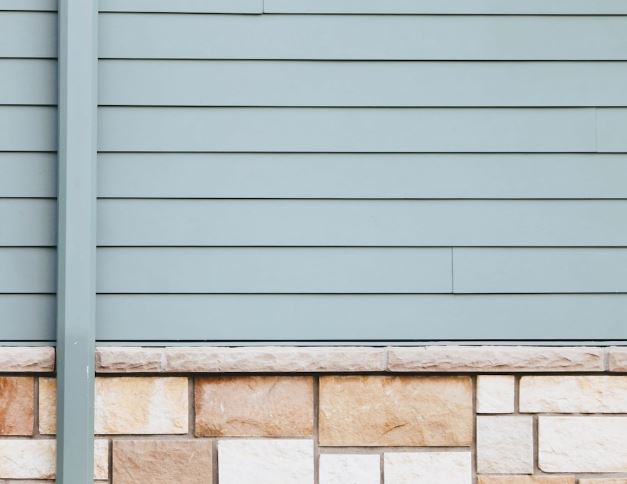
Even construction materials have an impact. Wood siding is much more easily damaged by pests than modern materials like vinyl or brick. Houses with crawl spaces or basements tend to experience more pest pressure compared to those built on slabs because these dwellings tend to be sheltered and inaccessible to humans. In addition, attic ventilation systems allow attics to breathe but also provide another entrance point if screens get damaged.
Even well maintained older homes still need more pest control compared to newer builds simply because they contain much more opportunity for the pests to take advantage of weaker areas in a structure.
Neighboring Properties
A nearby property may make pest pressure worse if they don’t keep their property up to code. A vacant lot filled with tall grass and junk provides habitat for pests but doesn’t actively work to get rid of them. A neighbor who doesn’t regularly mow their lawn provides habitat for rodents. Trash cans on a residential street provide more dumpsters for pests looking for a meal.
Urban areas also increasingly support wildlife populations that were once only found in rural habitats. Raccoons, opossums, deer, and skunks adapt well to living in suburban areas, so the populations build up quickly compared to an area out in the woods where they’d have access to their natural predators. These animals also bring their own individual pests with them.
Homeowners can’t do anything about what happens on someone else’s property; thus the need for pest prevention needs to remain consistent with what happens on their own property.
Climate
Some regions experience much higher pest pressure than others depending on climate. Mild climates throughout winter mean pests don’t die off or go dormant at certain times of year. High humidity areas support much larger populations of moisture loving insects like fruit flies while some areas have distinct wet seasons that causes pest infestations at seasonal change when pests seek out stable environments.
Even within an area, microclimates form around certain homes that experience different levels of pest pressure from neighboring properties with different microclimates. A home located at the bottom of a hill will always deal with pest problems while a home on higher ground experiences different types of issues. Similarly, properties that receive heavy shade from nearby trees may stay damp longer after rain than others, creating ideal breeding conditions for certain pests.
Making Peace with Pest Control Treatments
If your home checks off several of these boxes, it may be that expecting periodic treatments are enough may not be realistic. The things that draw pests into your home isn’t going away so neither will the pest pressure your property experiences. Year-round treatments are convenient in that they account for constant pressure on your property rather than only reacting after an infestation takes root.
Understanding why your home needs this attention while others may not helps shift perspective from frustration at your home or past treatments toward realistic expectations. Regular pest control becomes a practical investment in protecting your property when environmental factors create ongoing challenges that simply won’t resolve on their own.