Can Water Softeners Remove Iron? The Definitive Guide
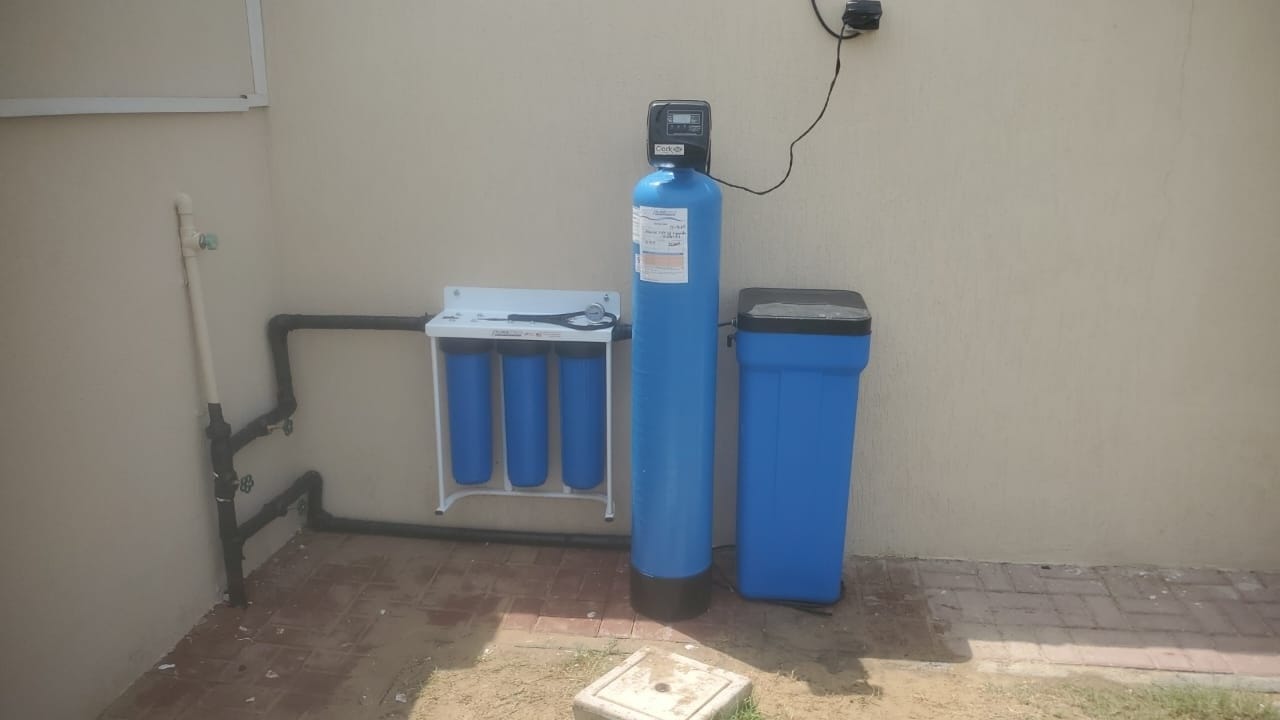
Meta Description: Wondering if a water softener can remove iron from your water? Get the clear answer, learn the limits, and discover the best solutions for ferrous and ferric iron in your water supply.
If you’re struggling with rusty stains on your fixtures, a metallic taste in your water, or orange sediment in your toilet tank, you’re likely dealing with iron contamination. A common question homeowners ask is: “Can my water softener remove iron?”
The answer is yes, but with important caveats. A standard water softener is primarily designed to remove hardness minerals like calcium and magnesium. Its ability to handle iron is a secondary function with strict limitations.
How a Water Softener “Softens” and Removes Iron
To understand the limits, you first need to understand the process. Water softeners use an ion exchange process. Inside the softener’s mineral tank are thousands of tiny resin beads charged with sodium (or potassium) ions.
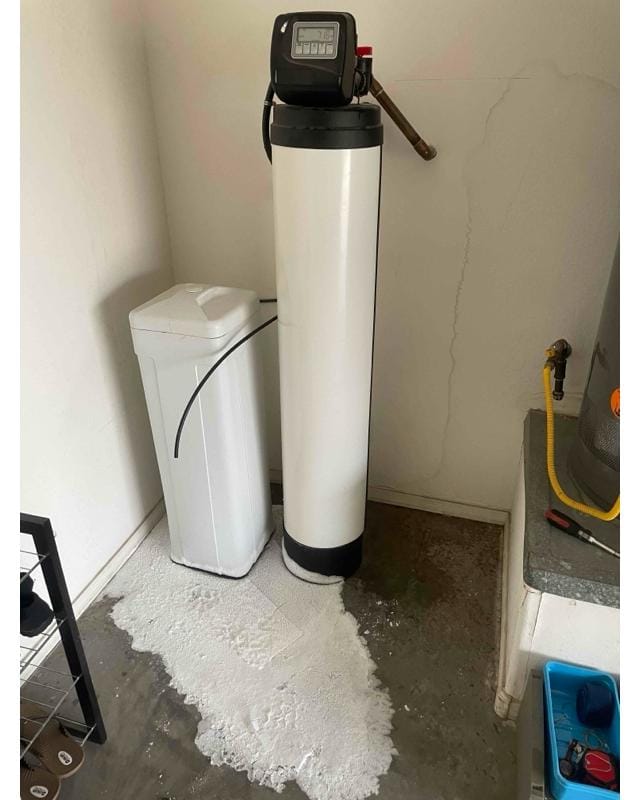
As hard water flows through the tank, the resin beads prefer to hold onto the “tighter” calcium and magnesium ions, releasing their sodium ions into the water in exchange. This swap is what “softens” the water.
So, where does iron come in? Iron in water typically exists in two main forms:
- Ferrous Iron (Fe²⁺) – “Clear-Water Iron”: This iron is dissolved and invisible straight from the tap. When exposed to air, it oxidizes, turning your water a rusty orange and causing stains.
- Ferric Iron (Fe³⁺) – “Red-Water Iron”: This is oxidized, solid iron particles. It’s visible as rust flakes or sediment, making water look cloudy or orange right from the faucet.
A standard water softener is somewhat effective at removing ferrous iron. The ion exchange resin can swap sodium ions for dissolved ferrous iron ions, trapping them just like it traps hardness minerals.
However, it is largely ineffective against ferric iron. The solid particles can clog and foul the softener’s resin bed, reducing its efficiency for softening and eventually requiring professional cleaning or resin replacement.
Expert Insight: “Think of your softener’s resin bed like a fine sieve. It can catch dissolved ions, but it’s not a filter designed for physical sediment. Pouring a lot of ferric iron into it is like trying to sift flour with sand in it—it just clogs up the works,” says Michael Reynolds, a water treatment specialist with over 15 years of experience.
The Critical Limits: When a Softener Isn’t Enough
The effectiveness of a standard water softener for iron removal hinges on concentration and type. Exceeding these limits will lead to poor performance and potential damage to your unit.
| Iron Type | Can a Standard Softener Remove It? | Key Considerations |
|---|---|---|
| Ferrous (Dissolved) Iron | Yes, in low concentrations | Effective for levels below 1-2 ppm (parts per million). Higher levels can overwhelm the resin. |
| Ferric (Particulate) Iron | No, not effectively | Will clog the resin bed, requiring frequent backwashing and potentially damaging the system. |
| Bacterial Iron | No | This slimy, living bacteria can completely foul a resin bed and requires chemical shock chlorination. |
What Happens If Iron Levels Are Too High?
- Resin Fouling: The resin beads become coated with iron, reducing their ability to exchange ions. This means your water won’t be soft, and iron will pass through.
- Reduced Efficiency: The system requires more frequent regenerations and uses more salt.
- Permanent Damage: In severe cases, the resin bed can be irreversibly damaged and need replacement—a costly repair.
Solutions: Enhancing Iron Removal
If your water test reveals iron levels above 2-3 ppm, a standard softener alone won’t cut it. Here are the most effective solutions:
1. The “Iron-Specific” Water Softener
Many manufacturers offer water softeners designed specifically for iron removal. These are not standard models. They feature:
- High-Capacity Resin: Resin that is more resistant to iron fouling.
- Specialized Cleaners: The brine system may inject a resin cleaner during regeneration to help wash away iron particles and keep the bed clean.
2. The Two-Pronged Approach: Air Injection Filter + Softener
For higher iron concentrations (3-10 ppm or more), the most effective system is a two-stage process:
- An Iron Filter: An air injection oxidation filter (or a similar chemical oxidizer like potassium permanganate) is installed before the softener. This system injects air into the water, converting dissolved ferrous iron into solid ferric iron.
- The Water Softener: The now-solid iron particles are then physically filtered out by the media in the iron filter. The softened, iron-free water then passes to the home’s plumbing. This protects your softener and handles the iron load effectively.
3. Sediment Pre-Filtration
For water with high levels of ferric iron (sediment), a simple sediment pre-filter installed before the softener can catch the large particles and prevent them from clogging the delicate resin bed.
The Essential First Step: Test Your Water!
You cannot solve a problem you haven’t diagnosed. Before investing in any equipment, you must test your water to determine:
- Total Iron Concentration (in ppm)
- Type of Iron (ferrous vs. ferric)
- Water Hardness (in gpg)
- pH Level (Acidic water can increase iron solubility)
You can use a home test kit for a basic idea, but for accurate results, especially with iron, a professional lab test is highly recommended.
Final Verdict
So, can a water softener remove iron? Yes, a standard softener can handle low concentrations (under 2 ppm) of dissolved ferrous iron. However, for higher levels, particulate iron, or bacterial iron, it is an inadequate solution that can lead to equipment failure.
For a reliable and permanent solution to iron problems, investing in the right equipment—whether an iron-specific softener or a dedicated iron filtration system—is the key to protecting your home, your appliances, and your water softener from the damaging effects of iron.
FAQ Section
Q1: What are the signs of iron in my water?
A: Common signs include: red or brown stains on sinks, tubs, and toilets; a metallic or bitter taste; orange or cloudy water; and reduced lathering of soaps and detergents.
Q2: How much iron is too much in well water?
A: The EPA’s secondary maximum contaminant level for iron is 0.3 mg/L (ppm) for aesthetic reasons. Most treatment systems are designed for levels between 1-10 ppm, with specific models for higher concentrations.
Q3: Can I use an iron filter without a water softener?
A: Absolutely. If your primary concern is iron and you have soft water (low calcium/magnesium), an iron filter alone is sufficient. However, if you have both hard water and iron, you will likely need both systems.