Does Sevin Dust Kill Snails? A Gardener’s Guide to Efficacy and Risks
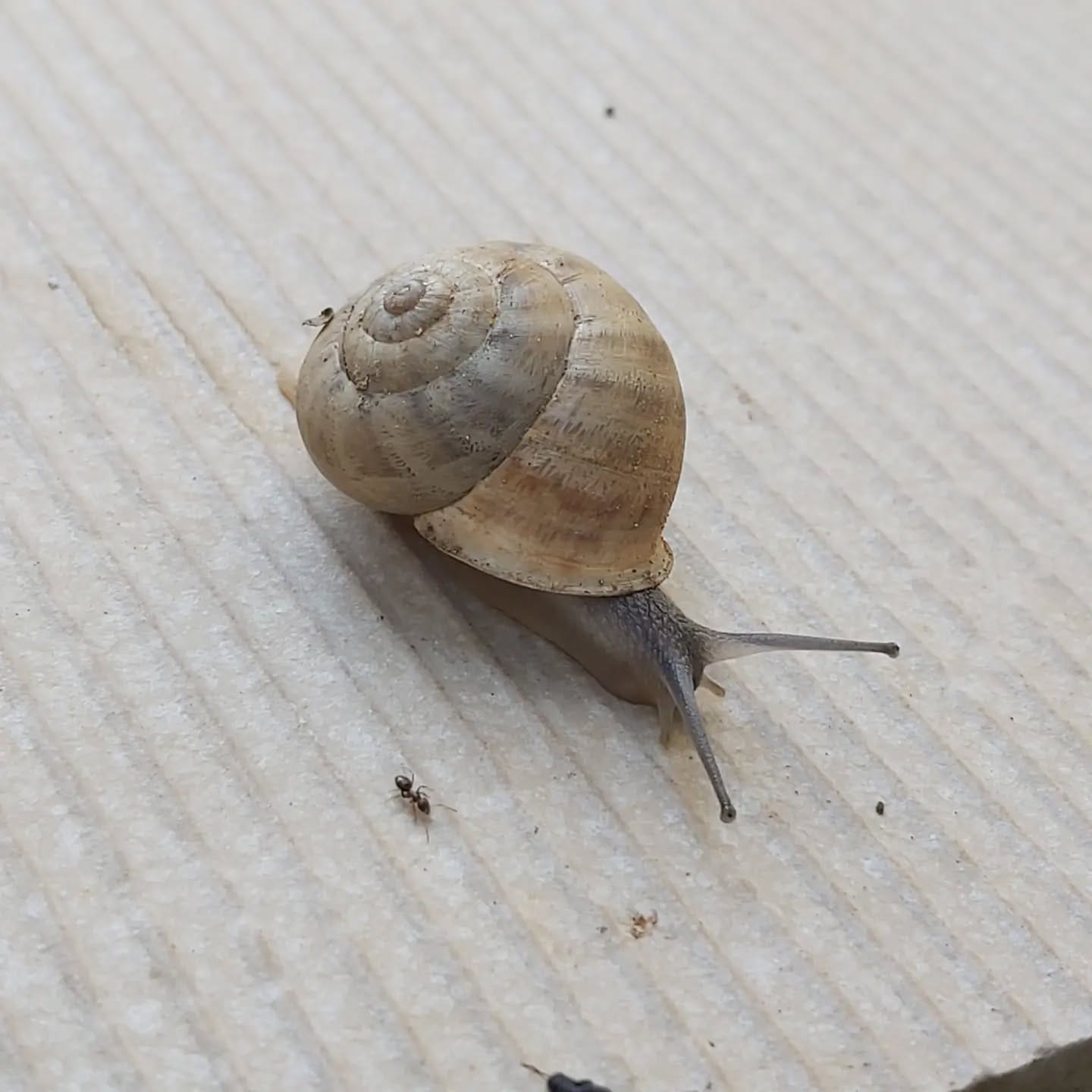
The sight of glistening trails and chewed leaves in your garden can send any gardener on a search for a solution. When facing a snail invasion, many reach for a common, broad-spectrum insecticide: Sevin Dust. But does this popular product actually work against these soft-bodied mollusks? The short answer is yes, Sevin dust can kill snails, but it is far from the most effective or environmentally responsible choice.
This article will delve into the science of how Sevin works on snails, compare its effectiveness to other methods, and critically examine the significant risks involved. We’ll provide you with the knowledge to make an informed decision for the health of your garden and the local ecosystem.
What is Sevin Dust?
Sevin dust is a brand-name pesticide whose active ingredient is Carbaryl. It belongs to a class of chemicals known as carbamates, which work by affecting the nervous systems of insects. It’s widely marketed to control a vast range of pests like beetles, caterpillars, and ants on vegetables, ornamentals, and lawns.
As one horticulturist notes, “Carbaryl is a potent neurotoxin. While effective against a long list of chewing and biting insects, its non-selectivity is its greatest drawback in an integrated pest management system.”
How Does Sevin Dust Affect Snails?
While snails are mollusks, not insects, they are still vulnerable to Carbaryl. The poison can affect them in two primary ways:
- Contact Poison: When a snail crawls over a surface treated with Sevin dust, the powder can be absorbed through its foot (the muscular organ it uses for movement). This dermal contact introduces the toxin directly into its system.
- Ingestion: Snails may also ingest the dust as they feed on treated plant leaves. Once ingested, the carbaryl disrupts their nervous system, leading to paralysis and death.
However, the effectiveness is not instantaneous or guaranteed. Snails are protected by their slime and shell, which can reduce direct contact exposure. Furthermore, because Sevin is not a targeted molluscicide, its dosage and formulation are not optimized for snails, leading to inconsistent results.
Sevin Dust vs. Other Snail Control Methods: A Comparison
To understand where Sevin dust stands, it’s helpful to compare it directly with other common snail control strategies.
| Method | How It Works | Pros | Cons |
|---|---|---|---|
| Sevin Dust | Neurotoxin (Carbaryl) absorbed via contact/ingestion. | – Broad-spectrum – Readily available | – Highly toxic to bees & beneficial insects – Harmful to pets & humans – Can lead to pesticide resistance – Not snail-specific (less effective) |
| Iron Phosphate Baits (e.g., Sluggo) | Snail eats bait, iron phosphate disrupts digestion, snail stops feeding and dies within days. | – Pet & wildlife safe – Safe for bees & earthworms – Organic & OMRI Listed – Breaks down into fertilizer | – Slower acting (takes a few days) |
| Diatomaceous Earth | Sharp, microscopic fossils scratch the snail’s foot, causing dehydration. | – Physical, non-toxic barrier – Safe for pets & children when food-grade | – Loses effectiveness when wet – Needs frequent reapplication |
| Beer Traps | Fermented yeast aroma attracts snails, they fall in and drown. | – Inexpensive & non-toxic – Easy to set up | – Can attract more snails from surrounding areas – Needs to be emptied and refilled |
| Hand-Picking | Manual removal at night or early morning. | – 100% effective & free – Immediate results | – Labor-intensive – Requires consistency |
As the table illustrates, while Sevin dust is a potent chemical, its list of cons, particularly its danger to the ecosystem, far outweighs its single pro of being a broad-spectrum option.
The Significant Risks of Using Sevin Dust for Snails
Choosing Sevin dust to kill snails comes with serious consequences that every gardener should consider.
- Harm to Beneficial Insects: Carbaryl is notoriously lethal to honeybees and other pollinators. Applying it to flowering plants can decimate local bee populations, which are crucial for a thriving garden and ecosystem.
- Danger to Pets and Wildlife: The product label explicitly warns about hazards to dogs, cats, and other animals. Ingestion or even excessive exposure can lead to serious illness.
- Impact on Soil Health: Sevin dust can harm earthworms and other beneficial soil organisms that are essential for aeration and nutrient cycling. Healthy soil is the foundation of a healthy garden, and Sevin undermines it.
- Pesticide Resistance: Indiscriminate use of carbaryl can lead to pests developing resistance, making future control even more difficult.
Safer and More Effective Alternatives
Given the risks, what should you use instead? For a sustainable and effective approach, consider these alternatives:
- Iron Phosphate Baits (The #1 Choice): Products like Sluggo or Worry Free are the gold standard for snail control. They are targeted, effective, and safe for use around pets, children, and pollinators.
- Create a Dry Barrier: Snails hate crawling over dry, sharp materials. Create a perimeter around garden beds with crushed eggshells, copper tape, or dry diatomaceous earth.
- Encourage Natural Predators: Attract birds, frogs, toads, and ground beetles to your garden. These natural predators will help keep the snail population in check.
- Regular Garden Maintenance: Eliminate their hiding spots by removing boards, debris, and dense ground cover near your prized plants.
The Final Verdict
So, does Sevin dust kill snails? Yes, it can. But the more important question is: Should you use it? The answer is a resounding no.
Using Sevin dust to kill snails is like using a sledgehammer to crack a nut. It is an inefficient, environmentally damaging solution when far superior, safer, and more targeted options like iron phosphate baits are readily available. By choosing organic and integrated pest management strategies, you protect your local ecosystem while effectively reclaiming your garden from these slimy pests.