What Is The Orange Dust On My Grass? A Lawn Care Guide
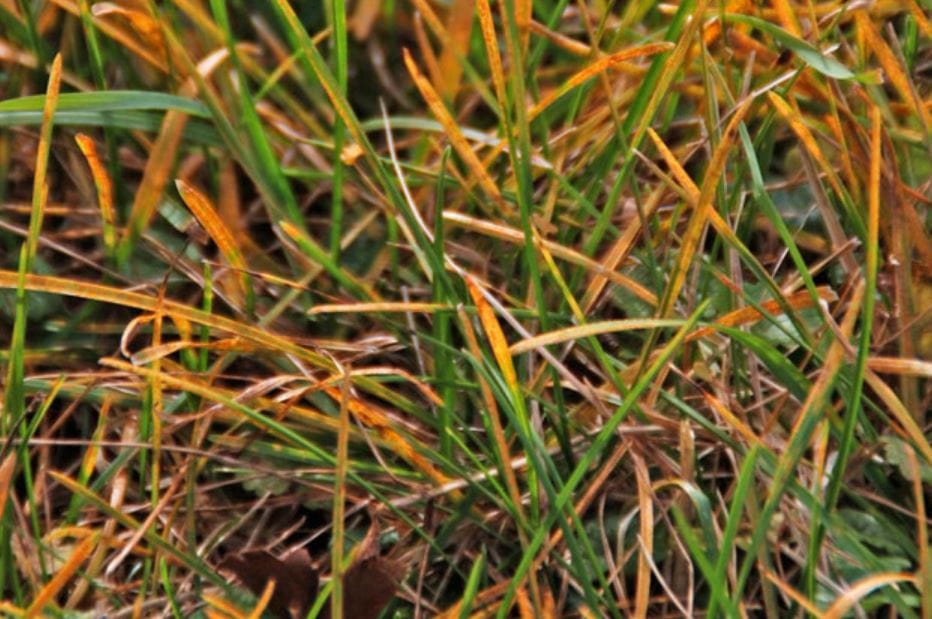
Have you ever walked across your lawn and noticed your shoes coated in a mysterious, rust-colored powder? Or perhaps you’ve seen what looks like a layer of orange dust blanketing your grass blades? If so, you’re not alone. This common lawn issue is a clear sign that your turf is under attack.
This peculiar substance is most commonly a lawn fungus known as Rust Disease, but it can sometimes be confused with other substances. Understanding what it is, why it’s there, and how to treat it is key to restoring your lawn to its lush, green glory.
The Primary Culprit: Lawn Rust Fungus
Lawn rust (Puccinia spp.) is a fungal disease that appears as a light powder on grass blades, which easily rubs off on fingers, shoes, and pets. It gets its name from the orange, reddish-brown, or yellow color that resembles metal rust.
Why Does Rust Fungus Appear?
Rust doesn’t just show up randomly; it thrives under specific conditions. The main factors are:
- Slow Grass Growth: Rust often strikes in late summer or early fall when temperatures are mild (60°-75°F or 15°-24°C) but grass growth has slowed due to other stresses.
- Nutrient Deficiency: Lawns lacking essential nutrients, particularly nitrogen, are weak and highly susceptible to disease.
- Excess Moisture: Long periods of leaf wetness from dew, high humidity, or improper watering create a perfect breeding ground for the fungus.
- Low Light: Lawns in shaded areas struggle to grow vigorously and dry out slowly, making them a prime target.
As one lawn care expert explains, “Rust fungus is often a symptom of a stressed lawn, not the cause of the stress itself. It’s a clear signal that your grass isn’t getting what it needs to grow strongly and outpace the disease.”
Is It Always Rust? Other Possibilities
While rust is the most likely cause, that orange dust could be one of a few other things. Here’s a quick comparison to help you diagnose the problem accurately.
Comparison Table: Orange Dust on Grass
| Feature | Lawn Rust Fungus | Pollen | Iron Oxide (Actual Rust) |
|---|---|---|---|
| Appearance | Orange to reddish-brown powder on grass blades. Rubs off easily. | Fine, yellow-orange powder, often on surfaces like cars and patios too. | Flaky, reddish-brown residue from a rusty object (e.g., mower, sprinkler). |
| Texture | Fine, powdery spores. | Very fine, dusty, and can be airborne. | Gritty, metallic flakes. |
| Location | Coating individual grass blades. | Covers all outdoor surfaces, not just grass. | Localized to the area where a rusty object rests or leaks. |
| Timing | Late summer to early fall. | Spring (primarily from trees like pines). | Any time of year. |
| Effect on Grass | Weakens grass, causing thinning and yellowing if severe. | Harmless to the grass itself. | Can indicate a leaky, rusty pipe which may affect soil. |
The Impact: Is Rust Fungus Killing My Lawn?
A mild case of rust is more of a nuisance than a death sentence. However, a severe, untreated infection can cause significant harm.
- Weakened Turf: The fungus disrupts the grass’s ability to photosynthesize, starving it of energy.
- Thinning and Bare Patches: As the grass weakens, it thins out, allowing weeds to invade.
- Increased Susceptibility: A lawn weakened by rust is more vulnerable to other diseases, pests, and environmental stresses like drought or winter cold.
How to Get Rid of Orange Rust on Your Lawn
The good news is that rust is highly treatable, and chemical solutions are rarely necessary for home lawns. Focus on cultural practices to create an environment where your grass can thrive and the fungus cannot.
1. Correct Your Watering Schedule
Water your lawn deeply and infrequently rather than a little every day. Aim for about 1 inch of water per week, including rainfall. Water in the early morning so the grass blades dry quickly during the day.
2. Mow Properly (And Often)
“One of the simplest and most effective ways to control rust is to mow your lawn regularly and bag the clippings during an outbreak,” advises a horticulturist. “This physically removes a massive amount of the fungal spores from the lawn.”
- Never cut more than 1/3 of the grass blade at a time.
- Keep your mower blades sharp; dull blades tear the grass, creating entry points for disease.
3. Feed Your Lawn
Apply a high-quality, slow-release nitrogen fertilizer. Nitrogen promotes vigorous growth, which helps the grass “outgrow” the rust infection. The best time to do this is in the fall for cool-season grasses.
4. Improve Airflow and Sunlight
Trim back overhanging tree branches and shrubs to increase sunlight penetration and air circulation, which helps the lawn dry faster.
5. Fungicide as a Last Resort
For severe, recurring cases, a fungicide may be needed. Look for products containing active ingredients like Azoxystrobin or Propiconazole. Always use these as a last resort and according to the label instructions.
Conclusion: A Signal, Not a Sentence
The orange dust on your grass is your lawn’s way of sending an SOS. In most cases, it’s a call for better nutrition, more intelligent watering, and consistent maintenance. By correctly identifying the issue as lawn rust and taking proactive steps to improve the health of your turf, you can eliminate the orange dust and cultivate a resilient, beautiful lawn that can resist disease on its own.