How To Get Dried Cat Vomit Out of Carpet?
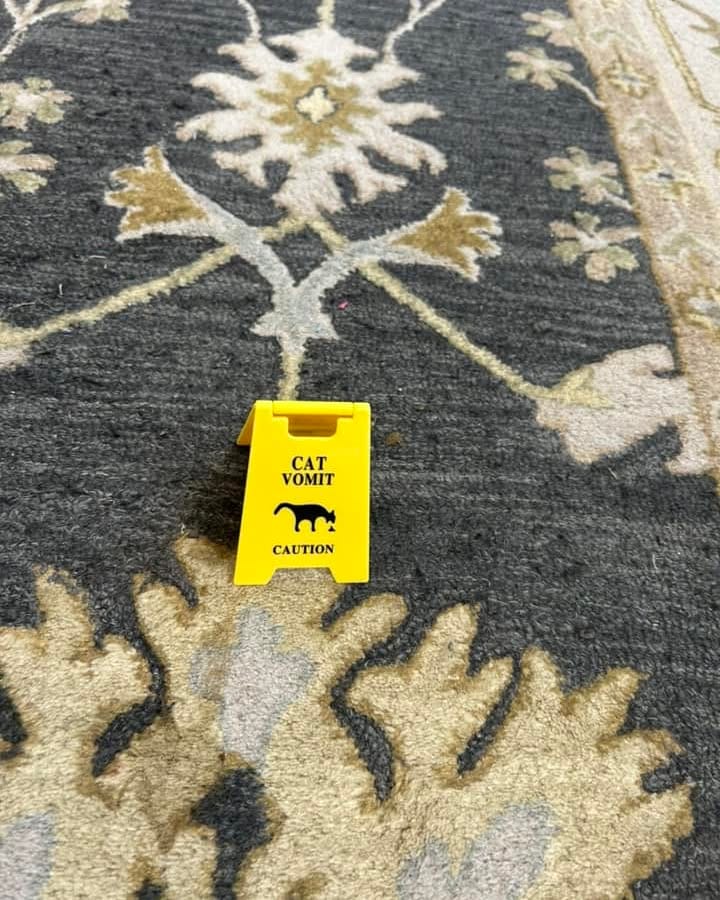
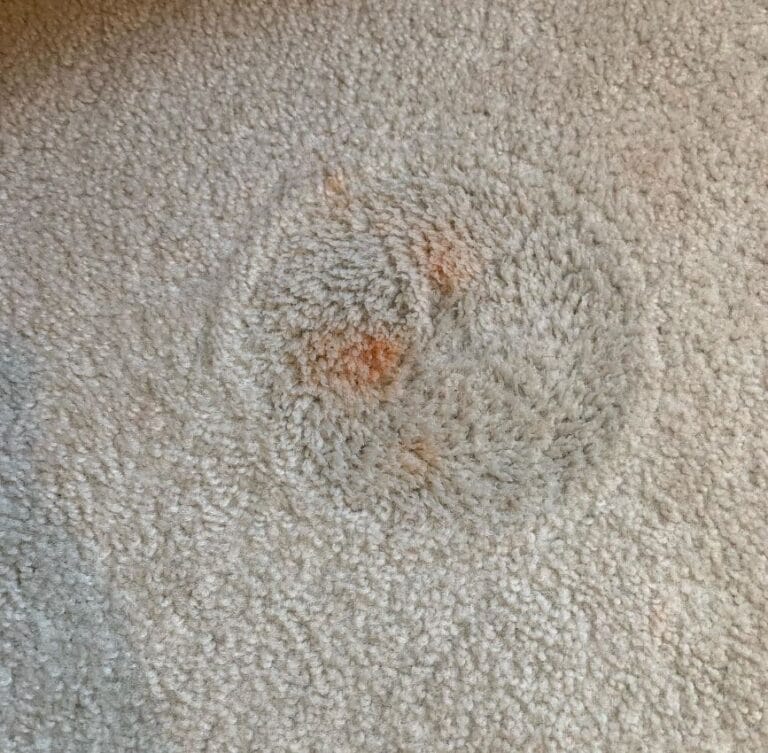
Of all the joys of cat ownership, discovering a dried, crusty, and often colorful surprise ground into your carpet ranks near the bottom. Your first instinct might be to grab the nearest cleaning spray and scrub furiously, but stop right there! Improper cleaning can set the stain and odor, making it a permanent fixture in your home.
Fear not, fellow cat lover. This comprehensive guide will walk you through the safe, effective, and vet-recommended steps to get dried cat vomit out of your carpet, restoring both its appearance and your peace of mind.
Why is Dried Cat Vomit Such a Nuisance?
Understanding your enemy is half the battle. Fresh vomit is easier to clean, but once it dries, the challenge multiplies.
“Cat vomit is a complex mixture,” explains Dr. Sarah Wooten, DVM. “It contains stomach acid, which can bleach and degrade carpet fibers, and bile, which leaves a stubborn yellow stain. When it dries, these components bind tightly to the carpet, and the organic matter acts like a glue.”
The key is to break down this matrix without grinding it deeper into the carpet, which is exactly what scrubbing does.
The Golden Rule: Do NOT Scrub!
Before we dive into the solution, let’s cement the most important rule: Never scrub a dried vomit stain. Scrubbing frayes carpet fibers, spreads the stain, and pushes the vomit deeper into the backing and pad, making odor removal nearly impossible. Your only scraping tool should be a dull knife or a spoon. Your only brushing motion should be gentle blotting.
Step-by-Step: How to Get Dried Cat Vomit Out of Carpet
Follow this methodical approach for the best results. You’ll need a few common household items.
Step 1: The Dry Removal (The Most Important Step)
Your goal here is to remove as much of the solid, crusted matter as possible.
- Tool: A dull knife, a butter knife, or the edge of a spoon.
- Action: Gently scrape the surface of the dried vomit. Work from the outside of the stain towards the center to avoid spreading it. Lift and discard the flakes into a trash bag.
Step 2: The Vacuuming
Once you’ve scraped away the bulk, use a vacuum cleaner with a hose attachment to suck up any remaining fine particles. This prevents you from creating a muddy paste in the next step.
Step 3: The Loosening Soak
Now, it’s time to rehydrate and loosen the deeply embedded stain.
- Solution: Mix a solution of one part white vinegar with two parts cool water. Vinegar is a mild acid that helps break down the vomit while neutralizing odors.
- Action: Liberally dampen the stain with the vinegar solution. Don’t flood it; just make sure the area is thoroughly moistened. Let it sit for 10-15 minutes. This gives the solution time to break the bonds between the vomit and the carpet fibers.
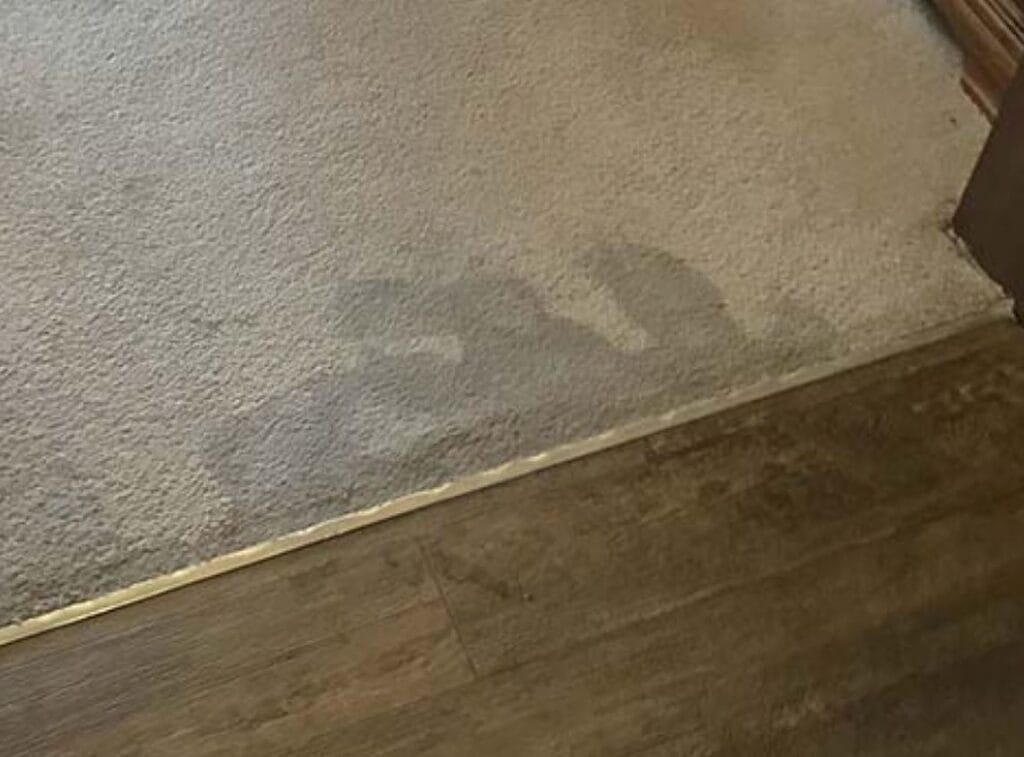
Step 4: The Blotting
- Tool: A clean, white cloth or paper towels. (White is essential to avoid dye transfer.)
- Action: Press the cloth firmly onto the damp stain and hold it for 30 seconds to absorb the liquid. Lift, check the cloth, move to a clean section, and repeat. Continue blotting until no more moisture or color is being transferred to the cloth.
Step 5: The Deep Clean (Two Effective Options)
For most stains, the vinegar solution will suffice. For tougher, older, or more pungent stains, you need a deeper clean.
Option A: Baking Soda Paste (Excellent for Odor)
- Sprinkle a generous amount of baking soda over the still-damp stain.
- Spritz lightly with water from a spray bottle to form a loose paste.
- Let it dry completely. This can take several hours or overnight.
- Once dry and hardened, vacuum it up thoroughly. The baking soda will have absorbed residual odors.
Option B: Enzyme Cleaner (The Ultimate Weapon)
“Enzyme-based cleaners are the gold standard for biological stains like vomit,” says Dr. Wooten. “They use beneficial bacteria to literally digest the proteins and fats in the stain, eliminating it at the source and preventing cats from remarking the spot.”
- Choose a pet-safe enzymatic cleaner from a pet store.
- Follow the instructions on the bottle precisely, usually involving soaking the area and letting it air dry.
- Do not rinse or blot it away, as this stops the enzymatic action.
Step 6: The Final Rinse and Dry
After using a baking soda paste or an enzyme cleaner, a final rinse is a good idea.
- Action: Lightly mist the area with clean, cool water.
- Blot thoroughly with a clean cloth to remove any cleaning residue.
- Dry: Place a stack of dry paper towels over the area and weigh them down with a heavy book. This will wick away remaining moisture from the carpet base. Ensure good air circulation to prevent mold.
Commercial vs. Homemade Cleaners: A Quick Comparison
| Feature | Homemade (Vinegar/Baking Soda) | Commercial Enzyme Cleaner |
|---|---|---|
| Cost | Very low, uses household items | Moderate to high |
| Effectiveness | Good for fresh or light stains | Excellent for set-in stains and odor removal |
| Primary Action | Breaks down matter, neutralizes odor | “Digests” organic matter at a molecular level |
| Safety | Pet-safe once dry | Formulated to be pet-safe |
| Best For | Quick, accessible cleanup | Severe stains, persistent odors, preventing re-soiling |
Preventing Future Carpet Cat-astrophes
While you can’t always stop a cat from vomiting, you can minimize the risks.
- Hairball Control: Regular brushing and a hairball control diet or treats can work wonders.
- Dietary Consistency: Sudden changes in food can upset a cat’s stomach. Transition slowly over 7-10 days.
- Identify Triggers: Is your cat eating too fast? Consider a slow-feeder bowl. Do they vomit after eating a specific treat? Eliminate it.
- Veterinary Check-up: If vomiting is frequent, consult your vet to rule out underlying issues like food allergies, IBD, or other illnesses.
Final Thoughts
A dried cat vomit stain doesn’t have to be a death sentence for your carpet. With patience, the right technique, and a resistance to the urge to scrub, you can effectively remove both the stain and the odor. Remember the golden rule: Scrape, Don’t Scrub. By acting methodically, you can restore your carpet and get back to enjoying the many wonderful parts of life with your feline friend.