Does Disinfectant Spray Kill Ants? The Surprising Truth
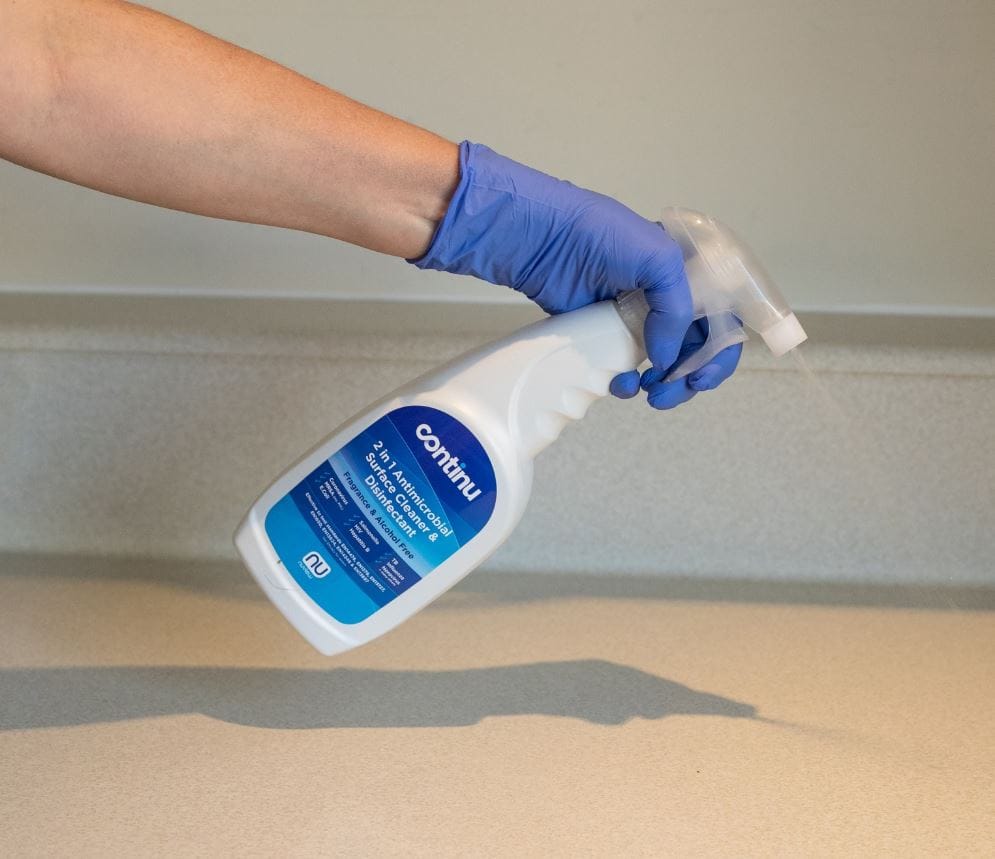
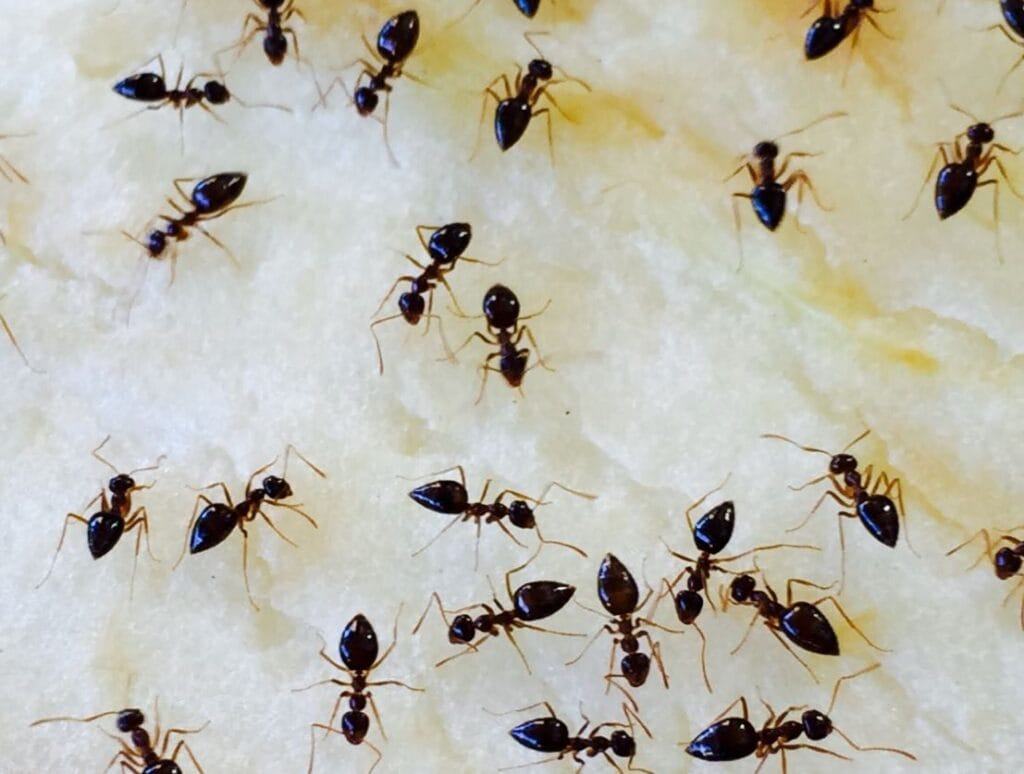
You see a trail of tiny black ants marching across your kitchen counter. Your first instinct might be to grab the nearest bottle of disinfectant spray. After all, it kills germs, so it should kill ants, right? The answer is more nuanced than a simple yes or no.
While a direct, heavy dose of most disinfectant sprays can kill ants on contact, they are a highly ineffective and temporary solution for ant control. Using them for this purpose can even backfire, causing more problems than it solves.
How Disinfectant Sprays Affect Ants
Disinfectants are designed to break down proteins and lipids in the cell walls of bacteria and viruses. Ants, being complex insects, are affected differently.
A direct blast of spray can suffocate ants by clogging their spiracles (the tiny holes they use to breathe) or the toxic chemicals can overwhelm their system, leading to a quick death. The alcohol in many sprays acts as a desiccant, drying them out.
However, this only affects the ants you hit directly. It does nothing to the colony hidden in your walls or under your patio.
Quote from Dr. Eleanor Vance, Entomologist: “Using a disinfectant spray on ants is like treating a symptom while ignoring the disease. You might eliminate the few scouts you see, but the queen, safely tucked away in the nest, will continue to produce hundreds more. You haven’t addressed the source of the problem.”
The Major Drawbacks of Using Disinfectant on Ants
Relying on disinfectant spray is a flawed strategy for several reasons:
- Ineffective Against the Colony: The core of any ant infestation is the colony and its queen. Killing a few forager ants is a minor setback for a colony that can number in the thousands.
- No Residual Effect: Most ant baits and insecticidal sprays are designed to have a lasting “residual” effect, continuing to kill for days or weeks. Disinfectants evaporate quickly, leaving no protective barrier.
- Can Disrupt Ant Trails (In a Bad Way): Ants leave a pheromone trail for others to follow. A disinfectant spray will wipe this trail away. While this sounds good, it often just scatters the ants, forcing them to find new, less obvious paths into your home.
- Chemical Hazards: Spraying pesticides where they aren’t intended—especially on kitchen surfaces—can lead to chemical contamination of your food and utensils.
- Wasted Product: It’s an inefficient use of a product designed for a completely different purpose.
Disinfectant Spray vs. Dedicated Ant Killers: A Comparison
The table below clearly shows why disinfectants are not the right tool for the job.
| Feature | Disinfectant Spray | Dedicated Ant Killer (Spray/Bait) |
|---|---|---|
| Primary Purpose | Killing germs (bacteria, viruses) | Eliminating insect pests |
| Effect on Ants | Kills on contact (if drenched) | Kills on contact and/or through ingestion & transfer |
| Residual Effect | None | Yes, often for weeks |
| Colony Impact | None; only kills visible ants | High; baits are carried back to the nest to kill the queen |
| Safety on Surfaces | Designed for surface cleaning | Varies; many are not safe for food-prep surfaces |
| Cost-Effectiveness | Low (ineffective for pest control) | High (solves the root problem) |
What Should You Use Instead?
For effective, long-term ant control, use products specifically designed for the task:
- Ant Baits (The Best Option): These are gels or stations containing a slow-acting poison mixed with an attractive food source. Worker ants carry the bait back to the colony, sharing it with the queen and larvae, ultimately eradicating the entire nest.
- Insecticidal Sprays: Look for products labeled for ant control with “residual action.” These create a long-lasting barrier that kills ants that cross it. Use these around the perimeter of your home, not on kitchen counters.
- Diatomaceous Earth: A natural, non-toxic powder made from fossilized algae. It scratches the ants’ exoskeleton, causing them to dehydrate and die. It’s effective and safe to use around the home (use food-grade version).
- Borax and Sugar Bait: A classic, homemade solution. Mix one part Borax with three parts sugar and a little water to form a paste. The sugar attracts the ants, and the Borax kills them.
The Bottom Line: When to Use Disinfectant
So, should you ever use disinfectant spray when dealing with ants? Yes, but only for cleaning after the infestation is handled.
Once you have eliminated the ant colony using proper methods, it is an excellent idea to use a disinfectant spray or cleaner to wipe down the trails they used. This will remove any lingering pheromone trails and sanitize the surfaces they contaminated, preventing new scout ants from following the old scent path.
In summary: Disinfectant spray can kill an ant you spray directly, but it is a futile and unsafe method for ant control. For a true solution, invest in targeted ant baits or insecticides that work to destroy the colony at its source.