Will Bleach Kill a Scorpion? The Unvarnished Truth
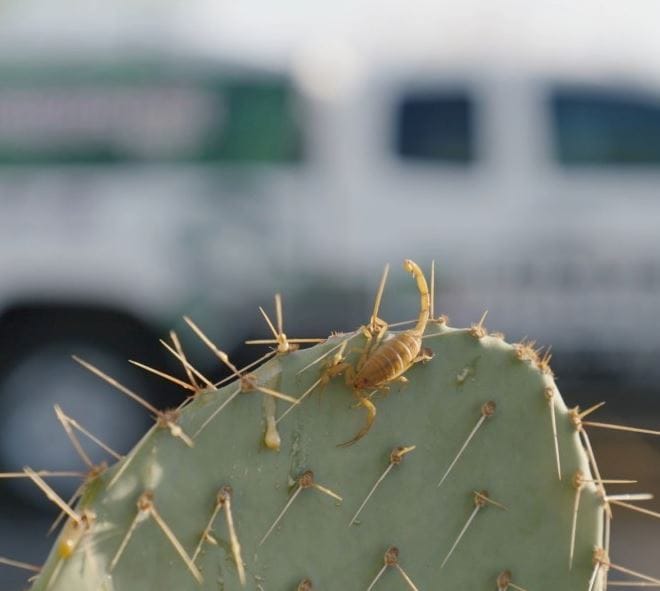
Scorpions are unwelcome guests in any home. Their intimidating appearance and painful, sometimes dangerous, sting drive many homeowners to seek immediate and effective ways to eliminate them. When you’re in a panic, you might grab whatever harsh chemical is under the sink—like bleach. But does this common household cleaner actually work on these resilient arachnids?
The short answer is yes, direct and substantial contact with bleach can kill a scorpion, but it is far from the best, safest, or most reliable method.
This article will dive deep into the science of how bleach affects scorpions, compare it to other common pesticides, and provide expert-recommended strategies for effective scorpion control.
How Does Bleach Actually Affect a Scorpion?
Bleach is a powerful oxidizing agent. Its primary active ingredient, sodium hypochlorite, is highly corrosive and damages organic tissue.
When a scorpion is directly doused in bleach, the chemical attacks its exoskeleton and, more critically, its book lungs. Book lungs are the respiratory organs through which scorpions breathe. The bleach essentially suffocates and chemically burns the scorpion, leading to its death.
“While bleach is a potent biocide, its effectiveness on scorpions is highly situational,” says a pest control professional we consulted. “It must make direct contact with the scorpion’s body, particularly its underside, to be lethal. A light mist or a drop on its back will likely just irritate it and cause it to scurry away, making the problem worse.”
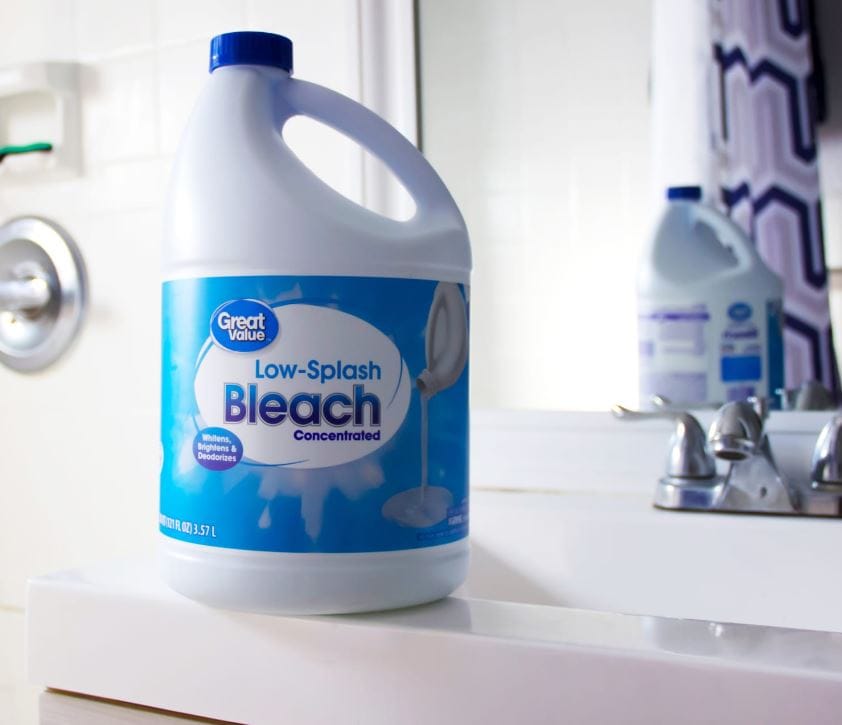
The Major Drawbacks of Using Bleach
- Inefficient Delivery: Spraying a fast-moving scorpion with a stream of bleach is difficult. You’re likely to miss and simply create a hazardous mess.
- Surface-Level Only: Bleach does not have any residual effect. Once it dries, it becomes inert and offers no protection against future scorpions. It does not act as a repellent.
- Significant Health Hazard: Bleach fumes are dangerous for you, your family, and your pets. It can cause respiratory issues and skin/eye irritation. Mixing bleach with other cleaners (especially ammonia) can create deadly chlorine gas.
- Potential for Property Damage: Bleach will discolor fabrics, carpets, and many surfaces. Using it outdoors can kill your grass and desirable plants.
Bleach vs. Common Scorpion Control Methods: A Comparison
The table below clearly illustrates why bleach is not the preferred choice for scorpion elimination.
| Method | How It Works | Effectiveness | Residual Effect? | Safety for Humans/Pets |
|---|---|---|---|---|
| Bleach | Chemical suffocation & burns via direct contact | Low to Moderate (must douse the scorpion) | No | Low (Fumes, skin irritant, corrosive) |
| Diatomaceous Earth | Microscopic sharp fossils pierce the exoskeleton, causing dehydration | High (Slow-acting but reliable) | Yes (if kept dry) | High (Food-grade is non-toxic) |
| Insecticidal Dusts (e.g., CimeXa, Drione) | Abrasive particles stick to the scorpion and disrupt its waxy cuticle | Very High | Yes (Long-lasting) | Moderate (Use a duster, avoid inhalation) |
| Pyrethroid Sprays (e.g., Cy-Kick, Demon WP) | Neurotoxin that attacks the nervous system | High (on direct contact) | Yes (for weeks) | Moderate (Follow label instructions) |
| Professional Pest Control | Integrated approach using targeted chemicals and exclusion | Very High | Yes | Moderate to High (Applied by experts) |
As you can see, dedicated pesticides and natural alternatives offer a more strategic and long-lasting solution.
What Should You Use Instead? Effective Scorpion Control Strategies
Relying on bleach is a reactive and flawed strategy. A proactive, integrated pest management (IPM) plan is the key to long-term success.
1. Exclusion: Seal Them Out
This is the most critical step. Scorpions can fit through incredibly small gaps.
- Seal cracks in your foundation and walls with caulk.
- Install weather stripping on doors and windows.
- Repair torn window screens.
- Plug gaps around utility lines and pipes.
2. Elimination: Use the Right Tools
- Insecticidal Dusts: Apply products like CimeXa or Delta Dust into wall voids, attics, and crawl spaces. Scorpions walk through the dust, which then works its way into their joints and kills them.
- Residual Sprays: Use a synthetic pyrethroid spray (e.g., Cypermethrin or Bifenthrin) around the perimeter of your home, along baseboards, and in other harborage areas.
- Diatomaceous Earth: A non-toxic option. Dust it in areas where pets and children cannot disturb it.
3. Habitat Modification: Make Your Property Uninviting
- Eliminate their food source by controlling other insects.
- Remove harborage sites like woodpiles, rock piles, and debris from against the house.
- Keep grass trimmed and prune bushes so they don’t touch the siding.
The Final Verdict
So, will bleach kill a scorpion? Technically, yes, but it’s a desperate, inefficient, and hazardous method. Pouring bleach on a scorpion is like using a sledgehammer to kill a fly—it’s overkill, messy, and potentially more dangerous to you than the pest.
For your safety and the effectiveness of your efforts, skip the bleach bottle. Instead, focus on prevention, exclusion, and using targeted pesticides designed specifically for arachnids. If you have a significant or recurring scorpion problem, the most reliable solution is to contact a licensed pest control professional who can implement a comprehensive and safe eradication plan.