How to Make Antibacterial Soap: A Safe and Simple DIY Guide
In a world increasingly conscious of germs and chemicals, knowing how to make antibacterial soap at home is a valuable skill. It allows you to control the ingredients, avoid harsh synthetic chemicals, and create a product tailored to your skin’s needs.
This guide will walk you through the simple process of creating your own effective and natural antibacterial soap, focusing on the power of essential oils.
Understanding “Antibacterial” in DIY Context
Before we begin, it’s crucial to clarify what we mean by “antibacterial” in a homemade setting. Commercial antibacterial soaps often use chemicals like triclosan, which have raised health and environmental concerns.
The natural approach relies on a two-pronged attack:
- The Mechanical Action of Soap: All soap, by its nature, is antimicrobial. It lifts germs, dirt, and oils off the skin, allowing them to be rinsed away with water.
- The Power of Essential Oils: We boost this effect by adding essential oils with proven, natural antibacterial, antiviral, and antifungal properties.
As noted by aromatherapy expert Jane Buckle, RN, PhD, “When used correctly, essential oils can be effective, natural antiseptics. Several have been shown in laboratory studies to be effective against a wide range of bacteria and viruses.“
The Core Ingredients for Your DIY Antibacterial Soap
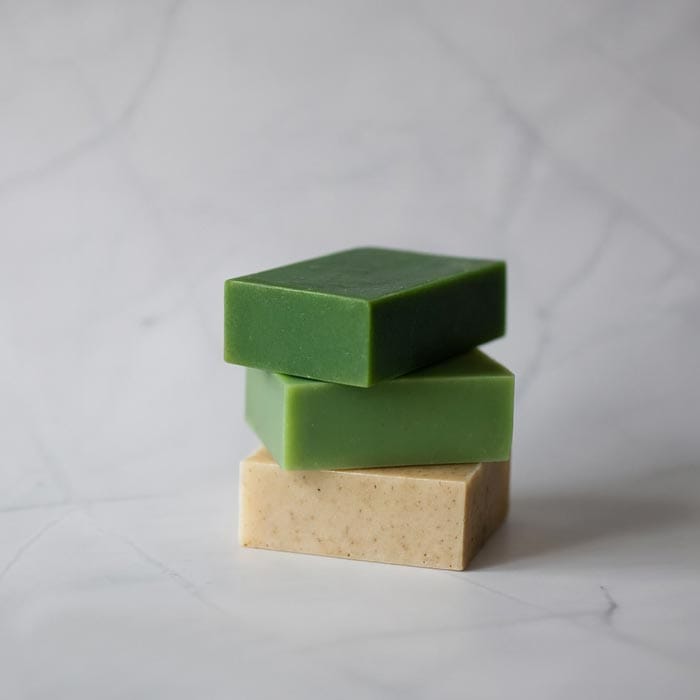
You only need a few key ingredients to get started. The most important choice is your soap base.
Choosing Your Soap Base
| Soap Base Type | Pros | Cons | Best For |
|---|---|---|---|
| Melt & Pour Glycerin | – Easiest for beginners – No lye handling – Gentle, transparent soap – Quick process | – Less customization of base oils – Can melt in heat | First-time DIYers, families, making decorative soaps. |
| Rebatched Soap Shreds | – More natural than melt & pour – Still no lye handling – Good for recycling scraps | – Texture can be rustic/lumpy – Requires more effort to melt | An eco-friendly, intermediate option. |
| Cold Process (From Scratch) | – Full control over all ingredients – Creates a unique, long-lasting bar | – Requires handling dangerous lye – 4-6 week curing time – Not for beginners | Experienced soap makers seeking full customization. |
For this guide, we will use a Melt & Pour Glycerin base for its simplicity and safety.
Simple DIY Antibacterial Soap Recipe
This recipe yields approximately 4 standard-sized bars of soap.
Equipment You’ll Need:
- A heat-safe glass or stainless-steel bowl
- A saucepan for a double boiler (or a microwave)
- A silicone spatula or spoon
- Soap molds (silicone is best)
- Rubbing alcohol in a spray bottle (to pop surface bubbles)
- A kitchen scale (recommended for accuracy) or measuring cups
Ingredients:
- 1 lb (16 oz) Clear or White Glycerin Melt & Pour Soap Base
- 20-40 drops of Antibacterial Essential Oils (see blend options below)
Choosing Your Antibacterial Essential Oils
Not all essential oils are created equal. Here is a comparison of some of the most effective antibacterial choices:
| Essential Oil | Key Antibacterial Properties | Scent Profile | Skin Sensitivities & Notes |
|---|---|---|---|
| Tea Tree | Broad-spectrum, powerful against bacteria & fungi. | Medicinal, camphorous. | A gold standard for antiseptic use. Can be drying. |
| Lavender | Gentle antibacterial, antiviral, and healing. | Floral, herbal, calming. | Very gentle, suitable for sensitive skin. |
| Rosemary | Effective against airborne bacteria and pathogens. | Herbaceous, invigorating. | Generally safe, but avoid with epilepsy. |
| Eucalyptus | Strong antimicrobial, great for respiratory issues. | Sharp, camphorous, clearing. | Can be irritating to sensitive skin. |
| Lemon | Powerful antiseptic and astringent; cuts grease. | Bright, citrusy, uplifting. | Photosensitive; avoid on skin before sun exposure. |
Step-by-Step Instructions:
- Prepare: Cut the glycerin soap base into small, uniform cubes. This helps it melt evenly. Lightly spritz your molds with rubbing alcohol to ensure a bubble-free finish.
- Melt: Using a double boiler method, place the soap cubes in the bowl over simmering water (ensure the bottom of the bowl doesn’t touch the water). Stir gently and frequently until completely melted and smooth.
- *Alternative: Microwave in 30-second bursts on 50% power, stirring between each burst.*
- Cool Slightly: Let the melted soap cool for a few minutes. This prevents the volatile essential oils from evaporating too quickly in the high heat.
- Add Essential Oils: Remove the bowl from heat. Stir in your chosen blend of 20-40 drops of essential oils. Do not add more than this recommended amount, as it can lead to skin irritation.
- Pour into Molds: Carefully pour the soap mixture into your prepared molds. Tap the molds gently on the counter to release any trapped air bubbles.
- Spritz and Set: Lightly spritz the top surface of the soap with rubbing alcohol to eliminate any remaining bubbles. Let the soaps sit undisturbed for 1-2 hours until completely firm.
- Unmold and Use: Once hard, pop the soaps out of their molds. Your homemade antibacterial soap is ready to use!
Suggested Antibacterial Essential Oil Blends:
- The All-Rounder: 15 drops Tea Tree, 15 drops Lavender
- Fresh & Clean: 15 drops Rosemary, 15 drops Lemon
- Invigorating Wash: 20 drops Eucalyptus, 10 drops Tea Tree
Safety and Best Practices
Creating your own products is rewarding, but safety comes first.
- Patch Test: Always perform a patch test on a small area of skin before using a new soap all over.
- Less is More: Do not exceed the recommended usage rate for essential oils. They are potent and can cause irritation.
- Label Your Creations: Clearly label your soaps with the date and ingredients used.
- Consult a Doctor: If you are pregnant, nursing, or have a serious medical condition, consult your healthcare provider before using essential oils.
Conclusion: Embrace Natural Cleanliness
Learning how to make antibacterial soap is an empowering step towards a more natural and self-sufficient lifestyle. By harnessing the proven power of essential oils within a simple soap base, you can create an effective, pleasant, and safe product for your entire household. You control what touches your skin, reducing your exposure to synthetic chemicals while enjoying the pure, clean satisfaction of a handmade product.
So, gather your supplies, choose your favorite scent, and start crafting your very own bar of natural protection today.