How to Get That Stubborn Clorox Smell Off Your Hands
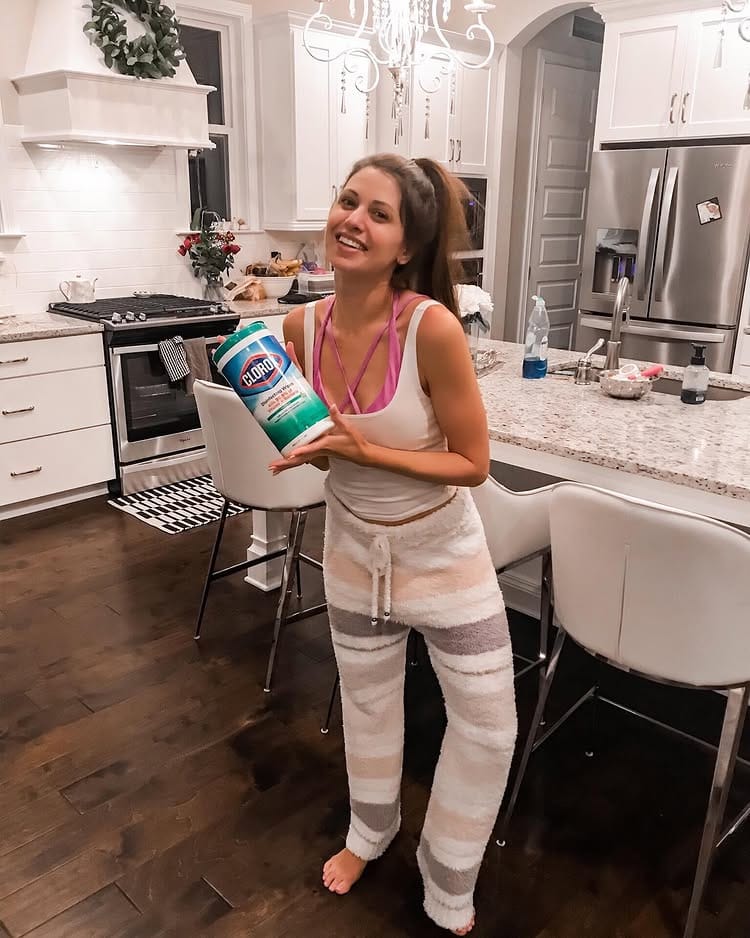
You’ve just finished a heroic cleaning session. Your bathroom sparkles, your kitchen gleams, but your hands… your hands smell like a swimming pool. That potent, lingering scent of Clorox or bleach can be incredibly stubborn, clinging to your skin long after you’ve rinsed off.
As a tech educator, I like to think of this smell as “sticky data” for your skin. Just like a file that won’t delete, the chlorine compounds have bonded with your skin’s natural oils. You don’t just want to close the window; you want to force-quit the application and empty the trash.
Don’t worry, you’re not stuck with it! This guide will walk you through the most effective, science-backed ways to get your hands smelling fresh again. We’re going beyond old wives’ tales and into actionable, effective strategies.
Why the Smell Lingers: The “Sticky Data” Problem
First, let’s understand our enemy. That strong smell isn’t actually the bleach itself. It’s the result of a chemical reaction.
When you use Clorox, the active ingredient (sodium hypochlorite) breaks down and forms chloramine compounds. These compounds bind to the proteins and oils on your skin. Think of it like a piece of Velcro hooking onto the fabric of your skin. Simple water can’t always pull those hooks apart.
“Water alone is like trying to delete a program by dragging it to the bin. You need to run the ‘uninstaller’ to get rid of all the associated files.” – Your friendly neighborhood tech blogger.
Knowing this is key. It tells us we need methods that can either break these bonds or lift the oils they’re stuck to.
Your Arsenal of De-Smelling Solutions
Here is a ranked list of solutions, from quick fixes to heavy-duty options. Think of it as your troubleshooting checklist.
Level 1: The Quick Kitchen Counter Fixes
These are your first line of defense, using common household items.
- White Vinegar Rinse (The Acid Neutralizer):
- How it works: Vinegar is a mild acid. It helps neutralize the chlorine compounds, breaking the “Velcro” bond.
- Actionable Steps: Mix equal parts white vinegar and water in a bowl. Swirl your hands in it for 30-60 seconds, then wash with soap and water.
- Key Takeaway: Vinegar’s acidity counteracts the alkaline chlorine residue.
- Baking Soda Paste (The Gentle Abrasive):
- How it works: Baking soda is a gentle abrasive and a natural deodorizer. It helps scrub away the odor-causing particles without being too harsh on your skin.
- Actionable Steps: Make a thick paste with baking soda and a little water. Gently rub it all over your hands like a scrub for one minute, then rinse thoroughly.
- Key Takeaway: Perfect for a gentle, physical scrub that absorbs odors.
- Lemon Juice (The Natural Powerhouse):
- How it works: Like vinegar, lemon juice is acidic (citric acid). It neutralizes the smell and leaves behind a fresh, natural citrus scent.
- Actionable Steps: Cut a lemon in half and rub the fleshy part all over your hands. Let the juice sit for a minute before rinsing.
- Pro-Tip: This is nature’s two-in-one: deodorizer and skin brightener!
Level 2: The Proven Heavy Hitters
If the kitchen fixes didn’t cut it, it’s time to bring out the more powerful, proven solutions.
- Stainless Steel: It’s Not Magic, It’s Science!
- How it works: Rubbing your hands on a stainless steel surface under running water causes a chemical reaction. The sulfur molecules in the chloramine compounds (the ones causing the smell) are drawn to and bind with the steel.
- Actionable Steps: While cold water is running, rub your hands firmly over a stainless steel spoon, your sink basin, or a dedicated “soap bar” made of steel. Do this for 10-15 seconds on each hand.
- Key Takeaway: This is a direct chemical transfer, not just masking the smell. It’s incredibly effective.
- Alcohol-Based Hand Sanitizer:
- How it works: Alcohol is a superb solvent. It can break down and dissolve the skin oils that the chlorine compounds are stuck to.
- Actionable Steps: Use a dime-sized amount of hand sanitizer and rub it all over your hands, just as you would for germs. Let it evaporate completely, then wash your hands with soap and water.
- Key Takeaway: Great for dissolving oil-based residues on the go.
Method Comparison: Your Quick-Look Guide
Not sure which method to try first? This table breaks down the pros and cons.
| Method | How It Works | Best For | Downside |
|---|---|---|---|
| White Vinegar | Acidic Neutralization | A quick, natural first attempt. | You might smell like vinegar temporarily. |
| Baking Soda | Abrasive Scrubbing & Absorption | Gentle exfoliation while deodorizing. | Can be drying for some skin types. |
| Lemon Juice | Acidic Neutralization | Leaving a fresh, natural scent. | Can sting if you have any cuts or broken skin. |
| Stainless Steel | Chemical Bond Transfer | The most effective, “magic” solution. | Requires a stainless steel object and running water. |
| Hand Sanitizer | Solvent Action | A quick fix when you’re away from home. | Very drying to the skin with frequent use. |
Proactive Protection: The Best “Cure” is Prevention
The most effective tech solution is always a good firewall. The same goes for your hands!
- Wear Gloves! This is the #1 piece of advice. A simple pair of disposable or reusable rubber gloves creates a perfect barrier between your skin and the cleaning chemicals.
- Moisturize First: Applying a light layer of lotion before you clean (with or without gloves) can create a protective barrier and make it harder for the chemicals to bind to your skin directly.
Final Recap & Key Takeaways
Getting the Clorox smell off your hands is all about using the right tool for the job.
- Start Simple: Try a vinegar rinse or baking soda paste.
- Escalate if Needed: If the smell persists, rubbing your hands on stainless steel is your most powerful weapon.
- Always Protect: For future cleaning sprees, wear gloves to avoid the problem altogether.