Borax and spiders. Why Are Spiders in My House?
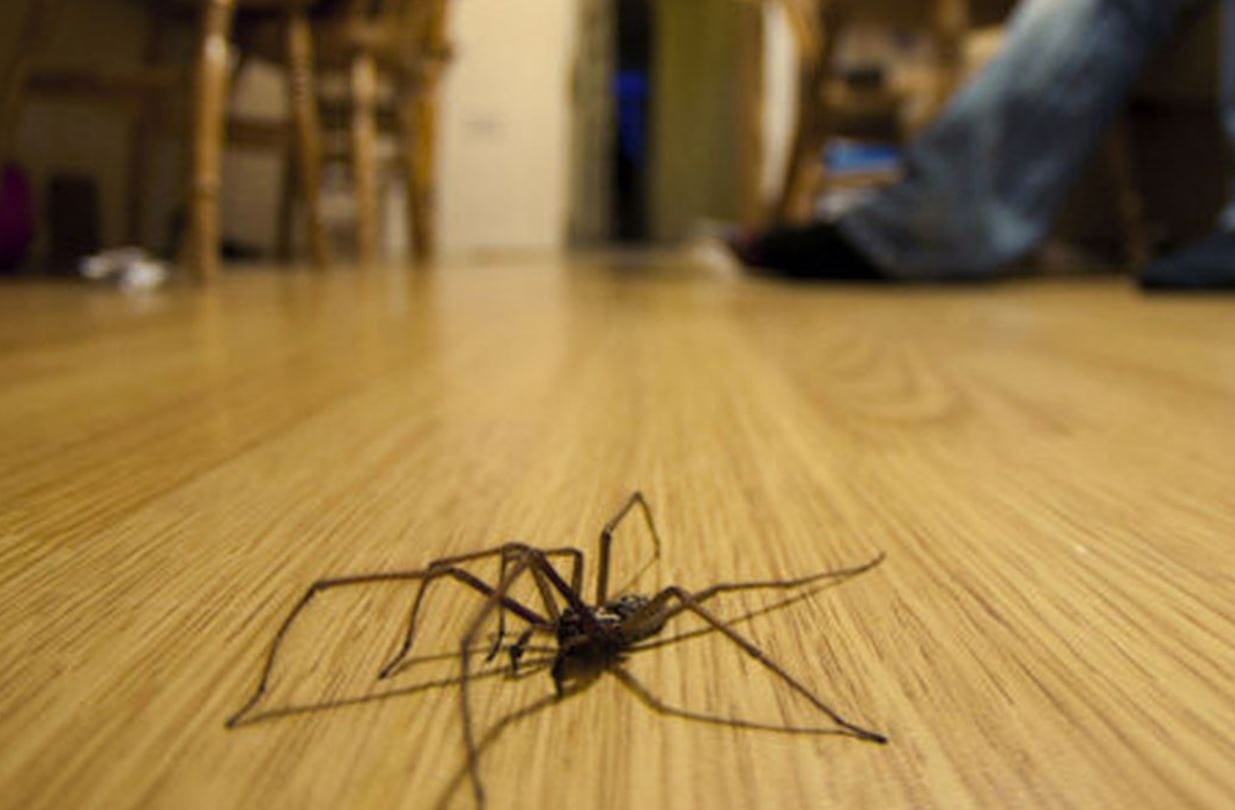
Before we declare war, it’s helpful to understand the enemy. Spiders don’t invade homes for fun; they are in pursuit of two things: food and shelter. If you have spiders, you almost certainly have other insects that serve as their prey. As one entomologist notes:
“Spiders are a symptom of a pest problem, not the problem itself. They are nature’s free, in-house pest control. However, when their numbers grow or dangerous species appear, action is necessary.”
Common house spiders, like cellar spiders and cobweb spiders, are generally harmless but a nuisance. The real concern arises with more venomous species like the Brown Recluse or Black Widow, though borax can be part of a control strategy for them as well.
Why Borax? The Science Behind the Solution
Borax, also known as sodium borate, is a naturally occurring mineral. It acts as a potent, low-toxicity insecticide against a wide range of pests, including ants, cockroaches, and yes, spiders.
But here’s the crucial point: Borax is not a contact poison for spiders. You can’t simply sprinkle it on a spider and expect it to die instantly. Its mode of action is more strategic.
Borax works through a two-step process:
- Adherence to the Exoskeleton: The fine powder readily sticks to the legs and body of insects (and spiders, which are arachnids).
- Ingestion During Grooming: Spiders are fastidious groomers. They will clean their legs and pedipalps, inadvertently ingesting the borax powder.
- Internal Disruption: Once inside, borax disrupts their digestive system and acts as a desiccant, drying them out from the inside.
The effectiveness chain looks like this:
Borax Application -> Sticks to Spider -> Spider Ingests it During Grooming -> Borax Disrupts Physiology -> Spider Dies
How to Use Borax Against Spiders: A Step-by-Step Guide
Using borax effectively requires a targeted approach. Haphazard sprinkling is messy and less effective.
What You’ll Need:
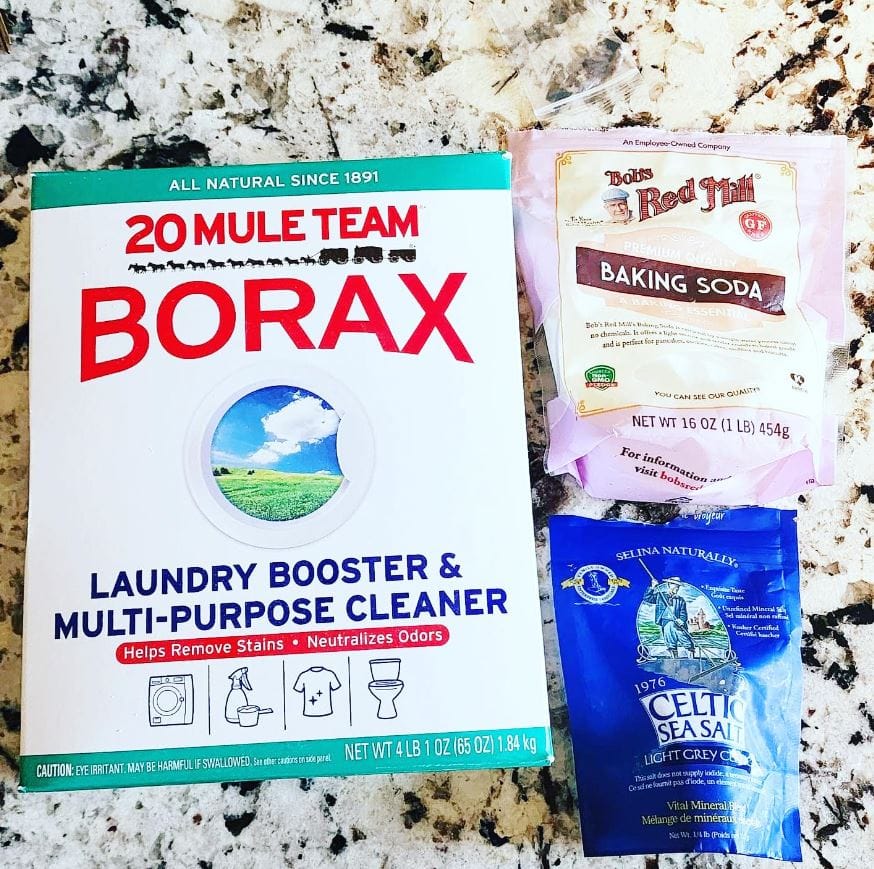
- 20 Mule Team Borax (available in the laundry aisle of most supermarkets)
- A small shaker bottle (an empty Parmesan cheese container or a jar with holes poked in the lid works perfectly)
- A vacuum cleaner
- Protective gear: Gloves and a mask (optional but recommended)
The Strategic Application Process:
- Identify and Clean Spider Hotspots: First, thoroughly vacuum corners, under furniture, basements, attics, and window sills to remove existing spiders, webs, and egg sacs. Immediately dispose of the vacuum bag or empty the canister outside.
- Create a “Borax Barrier”: The goal is to place borax in areas where spiders are likely to travel. Using your shaker bottle, apply a light, barely visible dusting of borax in the following locations:
- Along baseboards and in corners of rooms.
- Underneath furniture, cabinets, and appliances.
- In the gaps where the floor meets the wall in basements and garages.
- Around window frames and door thresholds.
- In attics, crawl spaces, and around basement foundations.
- Target the Source – Other Insects: Remember, spiders are there for the food. To break the cycle, use borax to eliminate their prey. A highly effective method is to create borax bait for ants and other crawling insects. A simple sugar and borax mixture can drastically reduce the insect population, thereby removing the spiders’ food source.Simple Borax Insect Bait Recipe:
- Mix 1 part borax with 3 parts powdered sugar.
- Sprinkle small piles of this mixture in out-of-the-way areas where you see ants or other insects.
- Warning: Keep this bait well away from pets and children.
- Be Patient and Reapply: Borax is not an instant knockout. It can take several days to a week to see a significant reduction in spider activity. Reapply the borax dusting after cleaning or if it gets disturbed.
Borax vs. Other Common Spider Control Methods
How does borax stack up against other popular solutions? The table below provides a clear comparison.
| Method | How It Works | Pros | Cons |
|---|---|---|---|
| Borax | Ingestion poison via grooming; dries out pests. | Inexpensive, long-lasting, multi-pest control, widely available. | Slow-acting, not a contact killer, requires strategic application. |
| Commercial Sprays | Chemical neurotoxins that kill on contact. | Fast results, immediate knockdown. | Can be toxic to pets/kids, strong odor, pests can develop resistance, only kills on contact. |
| Glue Traps | Physical traps that immobilize spiders. | Non-toxic, allows for monitoring of pest types. | Inhumane, only catches spiders that cross the trap, doesn’t address the root cause (other insects). |
| Essential Oils | Repels spiders with strong scents (e.g., peppermint, tea tree). | Natural, pleasant smell, non-toxic. | Repellent, not a killer; needs frequent reapplication; effectiveness varies. |
| Professional Extermination | Comprehensive chemical and physical barrier. | Highly effective, targets all life stages, deals with the entire ecosystem. | Expensive, requires scheduling, involves stronger chemicals. |
Safety First: Handling Borax Responsibly
While borax is a natural mineral, it is not harmless. It can be irritating to the skin, eyes, and respiratory system, and it is toxic if ingested in large quantities.
“The key to using borax safely is to treat it with the same respect you would any other household cleaner. Its low toxicity is a benefit, but it is not a license for carelessness.”
Crucial Safety Tips:
- Pets & Children: Avoid placing borax in open, accessible areas. Use it behind appliances, under sinks, and in crawl spaces. The borax-sugar bait is particularly attractive and dangerous to pets.
- Wear Gloves: Always wear gloves when handling borax powder to prevent skin irritation.
- Avoid Inhalation: Wear a dust mask when applying a large amount, and don’t create large clouds of dust.
- Storage: Keep the box of borax securely closed and stored out of reach of children and pets.
The Final Verdict
Borax is a highly effective, budget-friendly tool in the fight against spiders. Its strength lies not in instant gratification, but in its strategic, long-lasting action that attacks the problem at its root: the spider’s biology and its food source.
By creating a simple borax barrier and combining it with thorough cleaning and the elimination of other insects, you can create an environment that is far less hospitable to spiders. It’s a classic, proven method that remains a powerful weapon in the modern homeowner’s arsenal for safe and effective pest control.