The Ultimate Janitorial Duties Checklist for a Spotless and Healthy Environment
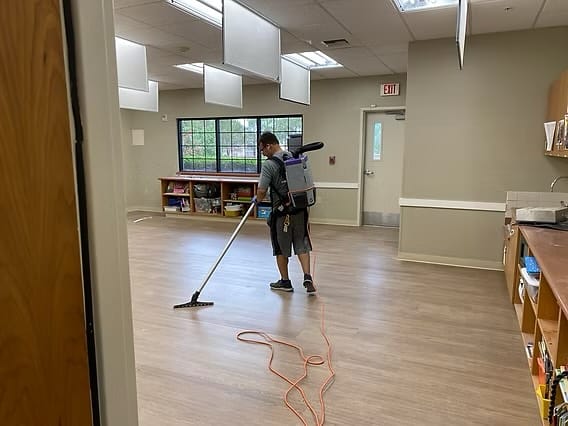
A clean facility is more than just a matter of appearance; it’s a critical component of safety, health, and productivity. For janitorial teams and facility managers, a standardized checklist is the backbone of an effective cleaning program. It ensures consistency, holds teams accountable, and guarantees that no crucial task is overlooked.
This article provides a detailed, structural janitorial duties checklist, broken down by area and frequency, to help you maintain impeccable standards.
Why a Janitorial Checklist is Non-Negotiable
Before diving into the tasks, it’s important to understand the “why.” A well-defined checklist transforms random acts of cleaning into a strategic operational asset.
“A janitorial checklist isn’t just a to-do list; it’s a quality assurance tool. It turns subjective standards of ‘clean’ into an objective, measurable, and repeatable process.” – Facility Management Professional
The key benefits include:
- Consistency: Every cleaner, every shift, knows exactly what is expected.
- Accountability: Completed checklists provide a record of work performed.
- Efficiency: Time is not wasted deciding what to clean next.
- Thoroughness: Easy-to-miss items are remembered and addressed.
- Inventory Management: Helps track supply usage and identify needs.
The Comprehensive Janitorial Duties Checklist
This checklist is divided into three primary frequencies: Daily, Weekly, and Monthly/Deep Cleaning tasks. Adjustments can be made based on your specific facility’s traffic and needs.
1. Daily Cleaning Tasks (High-Traffic Areas)
These are the non-negotiable tasks that maintain basic hygiene and presentation throughout the day.
Restrooms:
- Disinfect all toilet seats, lids, and handles.
- Clean and sanitize sinks, countertops, and faucets.
- Refill soap dispensers, paper towel holders, and toilet paper.
- Empty and line all trash and sanitary bins.
- Mop floors with a disinfectant solution.
- Wipe down mirrors and glass surfaces.
- Spot clean walls and partitions for splashes.
Common Areas (Lobbies, Hallways, Breakrooms):
- Vacuum all carpets and rugs.
- Sweep and damp mop hard surface floors.
- Empty all trash and recycling bins.
- Wipe down all high-touch surfaces (door handles, light switches, railings, elevator buttons).
- Clean and sanitize breakroom tables, countertops, and appliances (microwave handles, fridge doors).
- Spot clean glass doors and windows at eye level.
Individual Offices & Workspaces:
- Empty desk-side trash and recycling bins.
- Vacuum or dry mop floors.
- Dust horizontal surfaces (desks, shelves, if clear).
- Wipe down main light switches and door handles.
2. Weekly Cleaning Tasks (Detailed Maintenance)
These tasks address areas that don’t require daily attention but are essential for a deeper level of cleanliness.
Restrooms:
- Deep scrub and disinfect toilet bowls and urinals.
- Clean and polish all metal fixtures.
- Dust and wipe down high ledges, vents, and partitions.
- Clean walls and baseboards for grime buildup.
Common Areas:
- Dust all furniture, ledges, picture frames, and decor.
- Clean interior glass surfaces (partitions, etc.).
- Wipe down all chairs and upholstered furniture.
- Clean and sanitize vending machines and water coolers.
General:
- High-dusting of ceiling corners, vents, and light fixtures to remove cobwebs and dust.
- Clean entryway mats and grates.
3. Monthly & Deep Cleaning Tasks
These are intensive tasks that preserve the long-term condition of the facility and tackle areas often missed in routine cleaning.
Restrooms:
- Deep scrub and disinfect grout lines on floors and walls.
- Strip, seal, and wax vinyl or tile floors (frequency may vary).
- Clean behind and under toilets and sinks.
- Descale showerheads and faucets (if applicable).
Common Areas & Workspaces:
- Shampoo carpets and upholstery.
- Strip, seal, and wax hard surface floors.
- Wash interior windows, sills, and tracks.
- Dust and clean all blinds.
- Wipe down all walls and spot-clean marks.
- Clean light fixtures and replace bulbs as needed.
- Clean air vents and replace HVAC filters.
Choosing Your Cleaning Arsenal: Equipment & Supplies Comparison
Using the right tool for the job is crucial for efficiency and effectiveness. Here’s a quick comparison of common janitorial equipment.
| Equipment Type | Best For | Pros | Cons |
|---|---|---|---|
| Traditional Mop & Bucket | Small spills, spot cleaning. | Low initial cost, simple to use. | Can spread germs, requires wringing, less hygienic. |
| Microfiber Mop System | Daily mopping of hard floors. | Highly effective at trapping dirt, more hygienic, dries quickly. | Requires laundry/cleaning of pads. |
| Commercial Vacuum | Carpets and large area rugs. | Powerful suction, built to last, HEPA filters available. | Can be heavy and loud, not for hard floors. |
| Backpack Vacuum | Quick cleanups, large open areas. | Highly maneuverable, efficient for daily tasks. | Operator fatigue, less powerful than uprights. |
| Automatic Scrubber | Large hard-surface floors (warehouses, lobbies). | Extremely efficient, cleans and dries in one pass. | High cost, requires training and maintenance. |
| Disinfectant Sprayer | Applying disinfectants evenly over large surfaces. | Consistent application, saves time, reduces chemical waste. | Requires proper PPE and chemical knowledge. |
Daily vs. Deep Cleaning: A Strategic Comparison
Understanding the distinction between these two types of cleaning is key to resource allocation.
| Aspect | Daily Cleaning | Deep Cleaning |
|---|---|---|
| Primary Goal | Maintain hygiene, manage trash, tidy up. | Restore surfaces, remove ingrained dirt, preserve assets. |
| Frequency | Every day (or multiple times per day). | Weekly, Monthly, Quarterly, or Annually. |
| Focus Areas | High-touch surfaces, floors, trash, restrooms. | Grout, under appliances, carpets, walls, vents, floors. |
| Time Required | Relatively short (a few hours for a facility). | Can take many hours or require closing an area. |
| Skill Level | Standard training required. | May require specialized training or equipment. |
“The biggest mistake is treating daily and deep cleaning as the same thing. Daily cleaning is about upkeep; deep cleaning is about preservation. You need both to protect your investment in the facility.” – Janitorial Business Owner
Conclusion: Implement, Train, and Refine
A janitorial duties checklist is a living document. Start with this comprehensive template, then customize it for your specific building’s layout, materials, and traffic patterns. Train your team thoroughly on its use and the “why” behind each task. Finally, use the completed checklists to gather feedback, identify recurring issues, and continuously refine your cleaning strategy for a healthier, more professional, and consistently spotless environment.