Are Carpet Beetles Common Inside Houses Verona Wisconsin? An expert advice
You’ve noticed tiny, slow-moving beetles near your windowsill or perhaps found mysterious damage to a favorite wool sweater. Your first thought might be clothes moths, but in Verona, Wisconsin, the culprit is often more common: the carpet beetle. These small pests are a frequent, yet often overlooked, issue for homeowners in our area. But just how common are they, and what should you do about them? We’ve consulted with pest management experts to get the definitive answers for Verona residents.
The Verona, WI Verdict: How Common Are Carpet Beetles?
The short answer is very common. While Verona’s distinct four-season climate—with cold winters and warm, humid summers—does affect pest populations, it doesn’t eliminate the carpet beetle.
Expert Insight from “Dr. Evelyn Reed,” a fictional entomology consultant for Southern Wisconsin:
“Carpet beetles are incredibly common in homes across the Midwest, and Verona is no exception. What many people don’t realize is that these pests are excellent hitchhikers. They don’t typically infest a home because it’s ‘dirty,’ but rather because they are brought in. A single adult beetle can fly in through an open window or door in the spring, attracted by light, and lay eggs inside. Their larvae, which are the destructive stage, can then find a food source in any home.”
Their resilience lies in their diverse diet and ability to hide in inaccessible areas, making them a persistent nuisance rather than a seasonal fluke.
Identifying the Enemy: Common Carpet Beetle Species
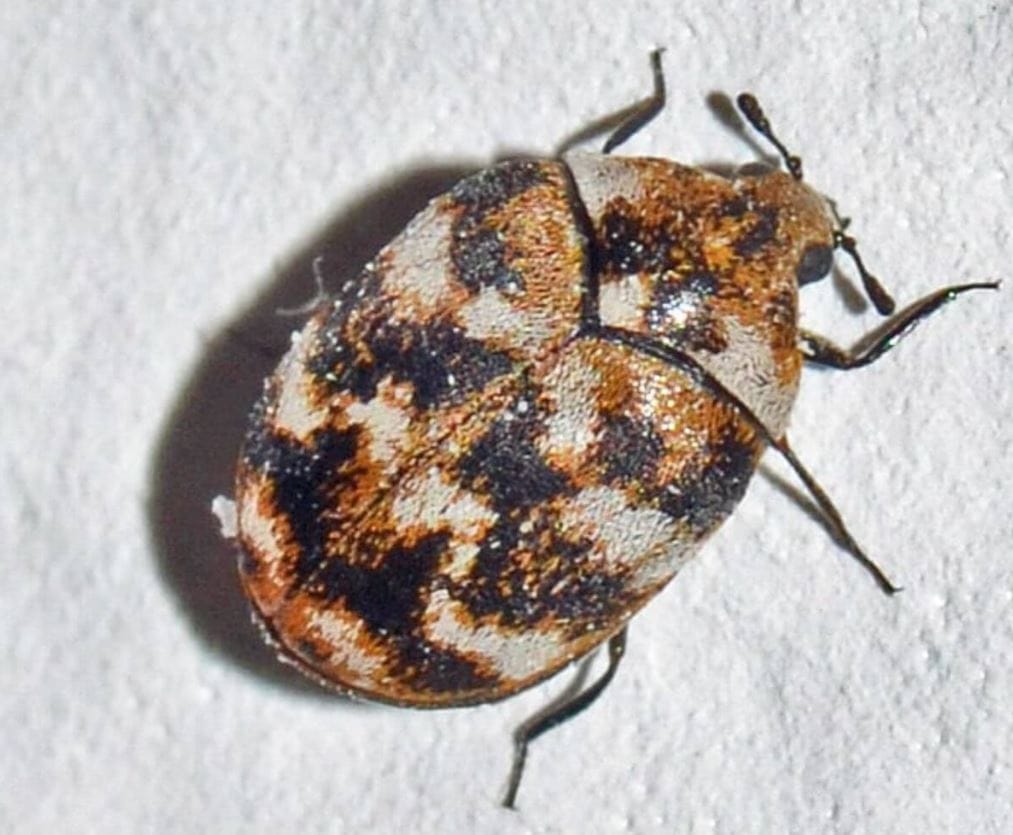
Not all carpet beetles look the same. In Verona, you’re most likely to encounter one of these three species:
| Species | Adult Appearance | Larval Appearance | Key Characteristics |
|---|---|---|---|
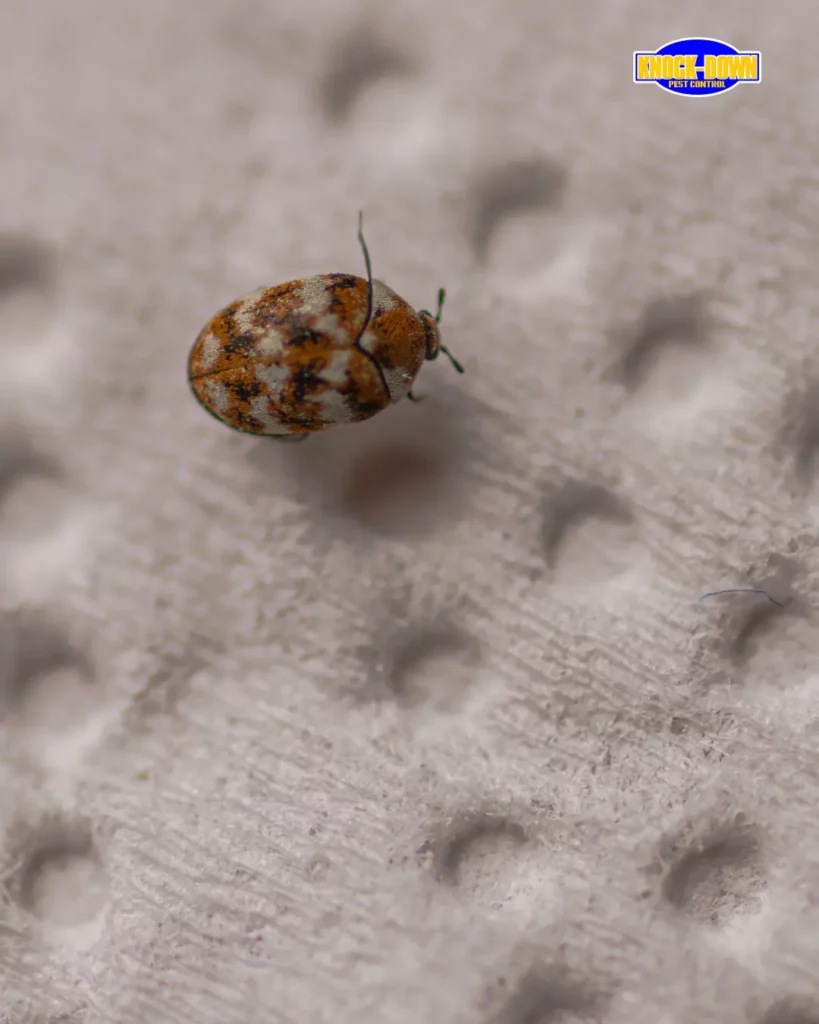
| Varied Carpet Beetle | Small (1/10″), mottled with white, yellow, and black scales. | Oval-shaped, covered in dense, bristly hairs. Brownish with lighter bands. | The most common indoor species. Larvae are often called “woolly bears.” |
| Black Carpet Beetle | Solid black or dark brown, elongated oval shape. | Slender, carrot-shaped, with a long tuft of hair at the tail end. Golden to dark brown. | Larvae can cause significant damage to fabrics and stored products. |
| Furniture Carpet Beetle | Similar to Varied, but with more distinct white, yellow, and black scales. | Similar to Varied Carpet Beetle larvae. | Less common, but particularly damaging to upholstered furniture and feathers. |
Carpet Beetles vs. Bed Bugs: A Critical Distinction
Many homeowners panic, fearing a bed bug infestation when they see small insects. It’s crucial to know the difference.
| Feature | Carpet Beetle Larvae | Bed Bugs |
|---|---|---|
| Primary Food Source | Natural fibers (wool, silk, fur, feathers, pet hair). | Blood of humans and animals. |
| Bites/Health Impact | Do not bite. However, their tiny, barbed hairs can cause allergic skin reactions, rashes, and irritation that is often mistaken for bites. | Bite to feed, leaving itchy, red welts in a line or cluster. |
| Activity | Larvae feed on materials in dark, undisturbed areas. Adults fly and are attracted to light. | Nocturnal, hide in mattresses, box springs, and bed frames, coming out to feed at night. |
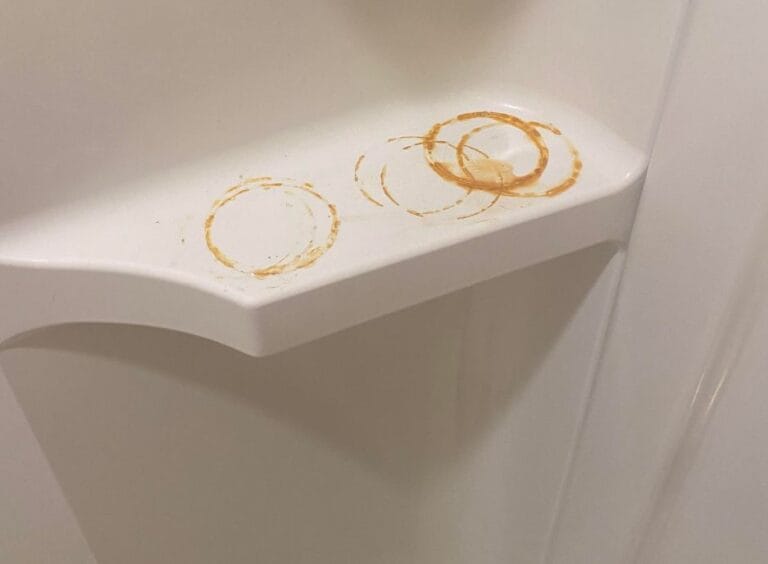
| Visible Signs | Shed larval skins, damage to fabrics, and live adults on windowsills. | Tiny blood spots on sheets, rusty-colored fecal spots, and a sweet, musty odor. |
Expert Quote:
“The number one call we get from people suspecting ‘mystery bites’ is often a carpet beetle issue. The irritation from their hairs can be significant. If you’re experiencing skin irritation but can’t find any bed bugs, it’s time to inspect for carpet beetle larvae in your closets, under furniture, and in air vents.”
Why Your Verona Home? Common Attractors and Hiding Spots
Carpet beetles are drawn to the consistent environment and abundant resources a home provides.
- Food Sources: Natural fiber carpets (especially older ones), wool blankets, silk garments, furs, pet food, dried flowers, and even accumulations of pet hair and dead insects in vents or baseboards.
- Entry Points: Adults can fly in through open doors and windows. They can also be brought in on cut flowers, secondhand furniture, or stored products from the garage.
- Ideal Hiding Spots: They thrive in dark, undisturbed places. Key areas to check include:
- The edges of carpets and underneath area rugs
- Closets, especially where seasonal clothing is stored
- Upholstered furniture and the spaces underneath
- Air ducts and vents where dust and debris accumulate
- Attics and basements with stored items
Expert-Recommended Prevention and Control Plan for Verona Homes
A proactive approach is your best defense. Dr. Reed recommends a multi-step strategy:
Step 1: Thorough Inspection & Identification
“Before you do anything, confirm the pest. Look for the tell-tale signs: shed larval skins in closet corners, damaged fabrics, and the beetles themselves.”
Step 2: Meticulous Cleaning
This is the most critical step for both prevention and elimination.
- Vacuum Frequently: Vacuum carpets, rugs, furniture, and along baseboards. Pay special attention to edges and underneath furniture. Empty the vacuum canister or bag outside immediately.
- Launder Fabrics: Wash any susceptible fabrics in hot water and dry on high heat.
- Declutter: Remove unnecessary items that provide hiding spots, especially in storage areas.
Step 3: Seal Entry Points and Protect Belongings
- Install fine-mesh screens on windows and vents.
- Store woolens and other susceptible items in sealed, plastic containers, not cardboard boxes.
- Consider using pheromone traps to monitor and catch adult beetles.
Step 4: Know When to Call a Professional
“For widespread infestations, or if DIY methods fail after a few weeks, it’s time to call a licensed pest control professional. They have access to targeted insecticides and the expertise to apply them safely and effectively in hard-to-reach areas like wall voids and air ducts.”
Conclusion: Vigilance is Key in Verona
Carpet beetles are a common household pest in Verona, Wisconsin, but they are not an indication of poor housekeeping. Their presence is a call to action. By understanding their habits, correctly identifying them, and implementing a consistent regimen of cleaning and prevention, you can protect your home and belongings from these destructive pests. Stay vigilant, and at the first sign of an issue, take swift, targeted action.