Spider Nest in Wall: Your Expert Guide to Identification and Removal
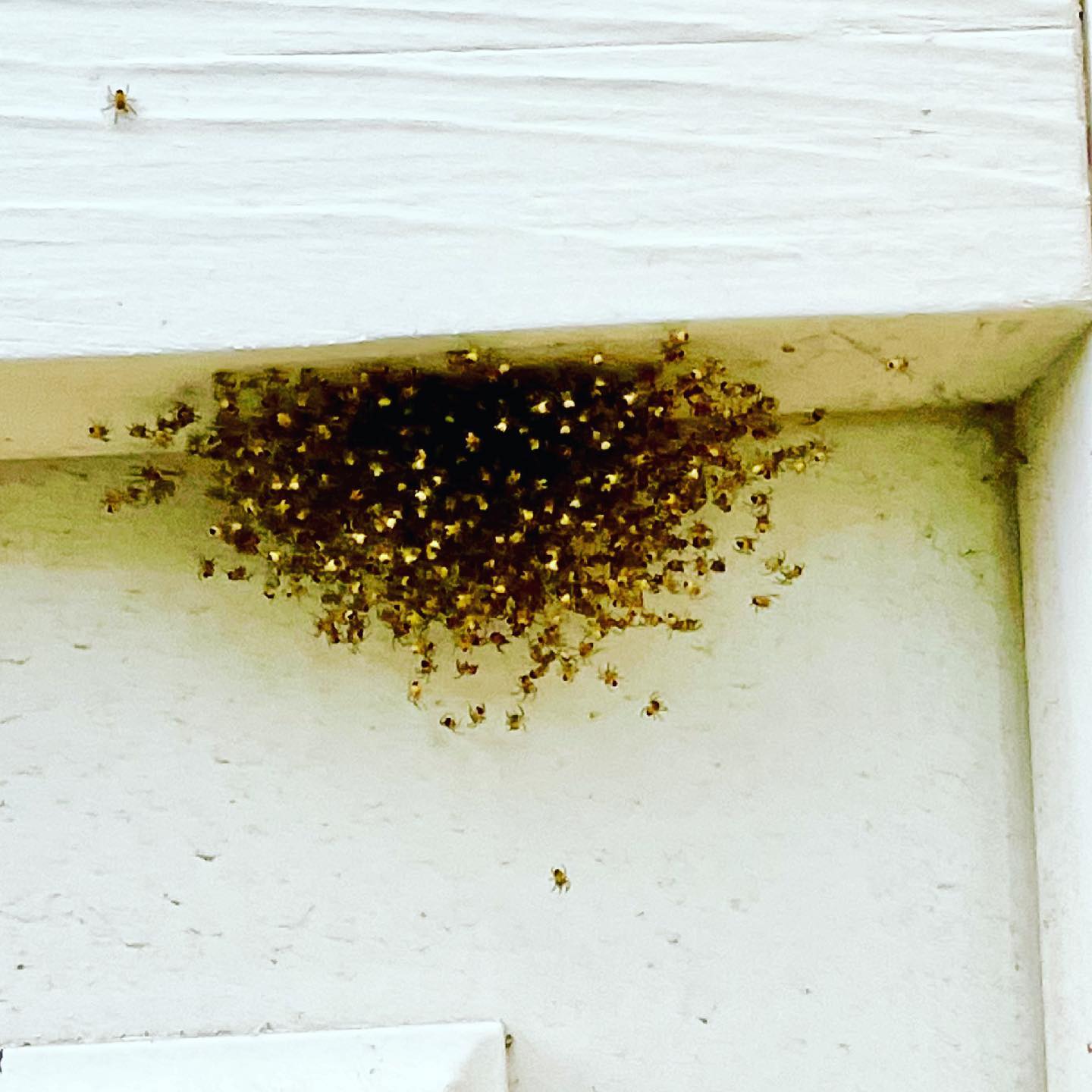
Discovering a spider nest in your wall can be an unsettling experience. Your home is your sanctuary, and the thought of eight-legged guests setting up a permanent residence behind the drywall is enough to make anyone’s skin crawl. But before you panic, it’s important to understand what you’re dealing with and the most effective, safe ways to handle it.
This guide will walk you through identifying the nest, assessing the risk, and choosing the best course of action, whether it’s a DIY project or a job for the professionals.
Is It a Spider Nest? Identifying the Signs
First, let’s clarify what a “spider nest” typically is. Most spiders don’t build nests in the traditional sense. What you’re likely seeing is either an egg sac or a concentrated area of webbing where a spider has taken up residence.
Common Indicators of Spider Activity in Your Walls
You might not see the nest itself, but you will see clues. Keep an eye out for these signs:
- Visible Egg Sacs: These can look like small, silken pouches. They may be white, cream, or brown, and their texture can range from fluffy to a tightly woven, papery ball.
- Increased Spider Sightings: A noticeable uptick in seeing spiders, especially of the same species, inside your home.
- Webbing in Crevices: Look for webs around cracks in the walls, gaps around baseboards, electrical outlets, or in the corners of rooms.
- Crackling or Rustling Sounds: In rare, severe cases, you might hear faint sounds from within the wall, though this is more common with other pests.
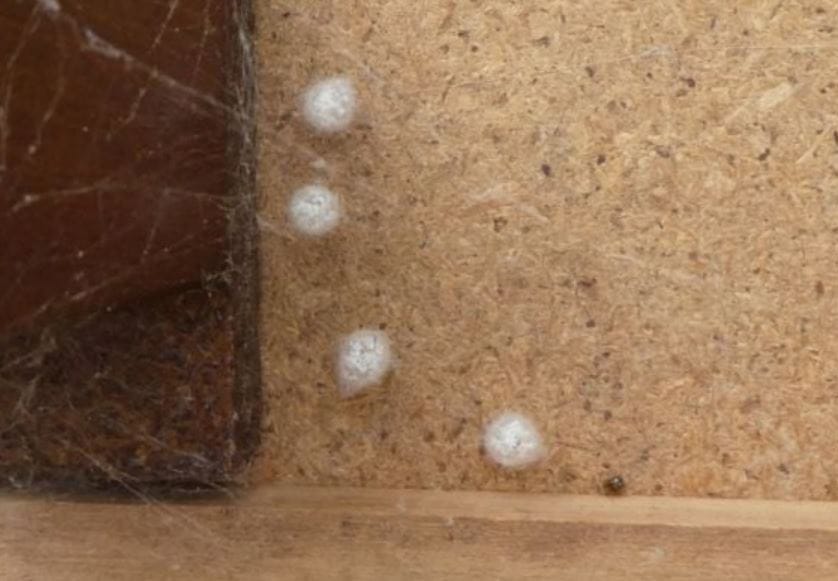
Expert Quote: “People often mistake a spider’s egg sac for a ‘nest.’ While the mother spider may be nearby, the sac itself is just a protective casing for her eggs. The real concern is the dozens to hundreds of spiderlings that will emerge from it,” says Dr. Eleanor Vance, an urban entomologist.
Assessment First: Are They Dangerous?
Not all spiders are created equal. The vast majority are harmless and actually beneficial, acting as natural pest control for other insects. However, it’s crucial to identify if you’re dealing with a dangerous species.
Common Harmless Spiders vs. Dangerous Spiders
This comparison table will help you understand the potential risk.
| Feature | Common House Spiders (e.g., Cellar Spiders, Cobweb Spiders) | Dangerous Spiders (e.g., Black Widow, Brown Recluse) |
|---|---|---|
| Typical Nest Location | Corners of rooms, basements, garages. | Undisturbed, cluttered areas like woodpiles, basements, and rarely, inside wall voids. |
| Web Appearance | Messy, irregular cobwebs. | Black Widow: Irregular, tangled, coarse web. Brown Recluse: Loose, off-white, sticky web. |
| Egg Sac | Fluffy, tan ball. | Black Widow: Smooth, tan, pear-shaped. Brown Recluse: Flattened, white, silken sac. |
| Risk to Humans | Low; bites are rare and not medically significant. | High; their venom requires immediate medical attention. |
| Recommended Action | DIY removal is generally safe. | Call a professional pest control expert immediately. |
Your Action Plan: How to Get Rid of a Spider Nest in the Wall
Once you’ve assessed the situation, you can choose the right removal strategy.
Method 1: DIY Removal for Non-Dangerous Spiders
If you’re confident you’re not dealing with a dangerous species, you can proceed with caution.
What You’ll Need:
- A vacuum cleaner with a hose attachment
- A putty knife or old credit card
- Sealing caulk
- Insecticide spray (optional, for residual control)
- Protective gloves and a mask
Step-by-Step Process:
- Locate the Nest: Identify the exact spot where the egg sac or webbing is located.
- Vacuum Thoroughly: Use the hose attachment to suck up the egg sac, any webbing, and the resident spider. Immediately dispose of the vacuum bag or empty the canister into a sealed plastic bag outside your home.
- Remove Residual Webbing: Use the putty knife to scrape off any stubborn silk.
- Apply Treatment (Optional): If you choose to use an insecticide, apply a residual spray around the crack or opening to deter future inhabitants.
- Seal the Entry Point: This is the most critical step for long-term control. Use caulk to seal the crack, gap, or hole in the wall where the spiders were entering. This also prevents other pests from getting in.
Method 2: When to Call a Professional Exterminator
Your safety should always come first. Call a licensed pest control professional if:
- You’ve identified (or suspect) the presence of Black Widows or Brown Recluses.
- The infestation is widespread and you’re finding multiple nests throughout the house.
- The nest is inaccessible deep within a wall void.
- You have severe arachnophobia or allergies.
- Your DIY efforts have not solved the problem.
Professionals have the tools, expertise, and protective equipment to handle the situation safely and effectively, often using targeted treatments that are more powerful than consumer-grade products.
Prevention is Key: How to Stop Spiders from Returning
Getting rid of the current nest is only half the battle. Follow these preventative measures to keep them from coming back.
- Seal Your Home: Conduct a thorough inspection of your home’s exterior and interior. Caulk cracks around windows, doors, and foundation lines. Install weather stripping and fit sweeps under doors.
- Reduce Clutter: Spiders love quiet, undisturbed areas. Declutter your basement, attic, and garage.
- Manage Other Pests: Spiders come inside looking for food. By controlling ants, flies, and other insects, you remove the spider’s food source.
- Use Outdoor Lighting Wisely: Standard white lights attract the insects that spiders eat. Switch to yellow sodium vapor lights for porches and other exterior fixtures.
- Regular Cleaning: Regular dusting and vacuuming disrupts web-building and removes egg sacs before they hatch.
Conclusion
Finding a spider nest in your wall can be alarming, but it’s a manageable problem. Start by correctly identifying the spider and the nest to assess the risk. For common, harmless spiders, a simple DIY approach of vacuuming and sealing cracks is highly effective. For dangerous species or large infestations, investing in professional pest control is the safest and most reliable solution. By combining removal with proactive prevention, you can reclaim your walls and enjoy a spider-free home.