The Ultimate Guide: How to Clean a Stone Hearth and Restore Its Beauty
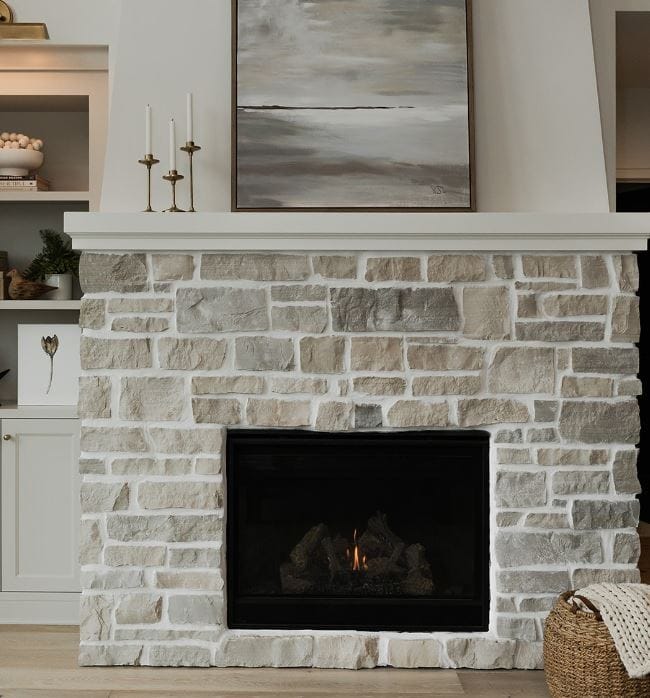
Your stone hearth is the centerpiece of your living room—a timeless feature that provides warmth and character. However, soot, ash, and dust can quickly dull its natural beauty. Cleaning a stone hearth might seem daunting, but with the right knowledge and gentle techniques, you can make it look brand new.
This definitive guide will walk you through identifying your stone type, choosing the correct cleaners, and applying safe, effective methods to restore your hearth’s grandeur.
Understanding Your Stone Type: The Critical First Step
Before you grab a cleaner, you must identify the stone on your hearth. Using the wrong product can cause permanent etching or staining. The two main categories are porous and non-porous stone.
Quote from Mike McHale, a master stonemason with 20 years of experience: “The number one mistake homeowners make is treating all stone the same. A harsh chemical that works on granite can permanently damage a delicate marble or limestone hearth. Always, always test in an inconspicuous area first.”
Common Types of Hearth Stone and Their Properties
| Stone Type | Porosity | Common Finishes | Key Consideration |
|---|---|---|---|
| Granite | Low (Non-porous) | Polished, Honed | Very durable; resistant to acids and stains. |
| Slate | Low to Medium | Cleft, Honed | Durable but can be flaky; avoid harsh abrasives. |
| Marble | High (Porous) | Polished, Honed | Very sensitive to acids (vinegar, citrus); stains easily. |
| Limestone | High (Porous) | Honed, Tumbled | Extremely porous and soft; requires gentle care. |
| Sandstone | High (Porous) | Cleft, Honed | Soft and crumbly; can be damaged by scrubbing. |
| Soapstone | Very Low (Non-porous) | Honed, Oiled | Incredibly resilient and non-porous; very easy to clean. |
| Fieldstone | Varies | Natural | Porosity depends on the specific rock types; treat as porous to be safe. |
Your Step-by-Step Guide to Cleaning a Stone Hearth
Follow this universal process, adjusting your cleaning solution based on your stone type from the table above.
Step 1: Preparation and Dry Removal
Safety first! Ensure the fireplace is completely cold and you have adequate ventilation.
- Clear the Area: Remove andirons, grates, and tools.
- Protect Surroundings: Lay down a drop cloth or old towels to catch dust and debris.
- Initial Vacuuming: Use a soft brush attachment on your vacuum cleaner to remove all loose ash, dust, and cobwebs. This prevents making a muddy mess in the next step.
Step 2: Choosing and Applying Your Cleaning Solution
This is where knowing your stone type pays off. Here’s a comparison of safe cleaning solutions:
Stone Cleaning Solutions Comparison Table
| Stone Type | Recommended Cleaning Solution | What to Avoid |
|---|---|---|
| All Stones (Initial Wash) | pH-Neutral Stone Soap mixed with warm water. | Harsh detergents, ammonia. |
| Granite, Slate, Soapstone | Stone soap or a few drops of mild dish soap in warm water. | Avoid excessive soap, which can leave a film. |
| Marble, Limestone, Sandstone | Only pH-Neutral Stone Soap. For tough soot, use a dedicated stone poultice. | ACIDIC CLEANERS (Vinegar, Lemon, Windex), alkaline cleaners. |
| Heavy Soot on Any Stone | Trisodium Phosphate (TSP) substitute, used sparingly and rinsed thoroughly. | Undiluted TSP; it’s too harsh for most stones and is a strong chemical. |
Application Method:
- Test: Apply your chosen solution to a small, hidden area to check for discoloration or damage.
- Wash: Dip a soft cloth or sponge (never abrasive scrubbing pads) into the solution, wring it out well so it’s only damp, and wipe the stone in a circular motion.
- Tackle Stubborn Soot: For built-up soot, let the damp cloth sit on the spot for a few minutes to loosen the grime before gently wiping.
Step 3: Rinsing and Drying
Leaving cleaning residue on the stone is a common error that leads to streaking and film.
- Rinse Thoroughly: Wipe the entire hearth with a separate cloth dampened with clean, warm water. Change the water frequently.
- Dry Completely: Use a soft, dry, lint-free towel (like a microfiber cloth) to buff the stone until it’s completely dry. This prevents water spots and forces any residual dirt to the surface.
Advanced Care: Sealing and Ongoing Maintenance
Should You Seal Your Stone Hearth?
Sealing is highly recommended for porous stones like marble, limestone, and sandstone. A quality impregnating sealer doesn’t change the stone’s look but creates an invisible barrier against stains and soot penetration.
| Stone Type | Sealing Recommended? | Frequency |
|---|---|---|
| Marble, Limestone, Sandstone | Yes, highly. | Every 6-12 months, depending on use. |
| Slate, Granite, Soapstone | Optional, but can help. | Soapstone rarely needs it. Granite/Slate every 1-2 years. |
How to Check if Your Seal is Still Good: Sprinkle a few drops of water on the stone. If it beads up, the seal is active. If it darkens the stone and absorbs quickly, it’s time to reseal.
Simple Daily and Weekly Maintenance
- After Each Fire: Once the ashes are cold, vacuum the hearth to prevent soot from being tracked around.
- Weekly Dusting: Use a dry microfiber duster to keep the surface free of dust and pet hair.
By following this structured guide, you can confidently clean and maintain your stone hearth, ensuring it remains a beautiful and welcoming focal point in your home for years to come. Remember, when in doubt, gentler is always better for natural stone.