How to Clean Brick Floors Like a Pro
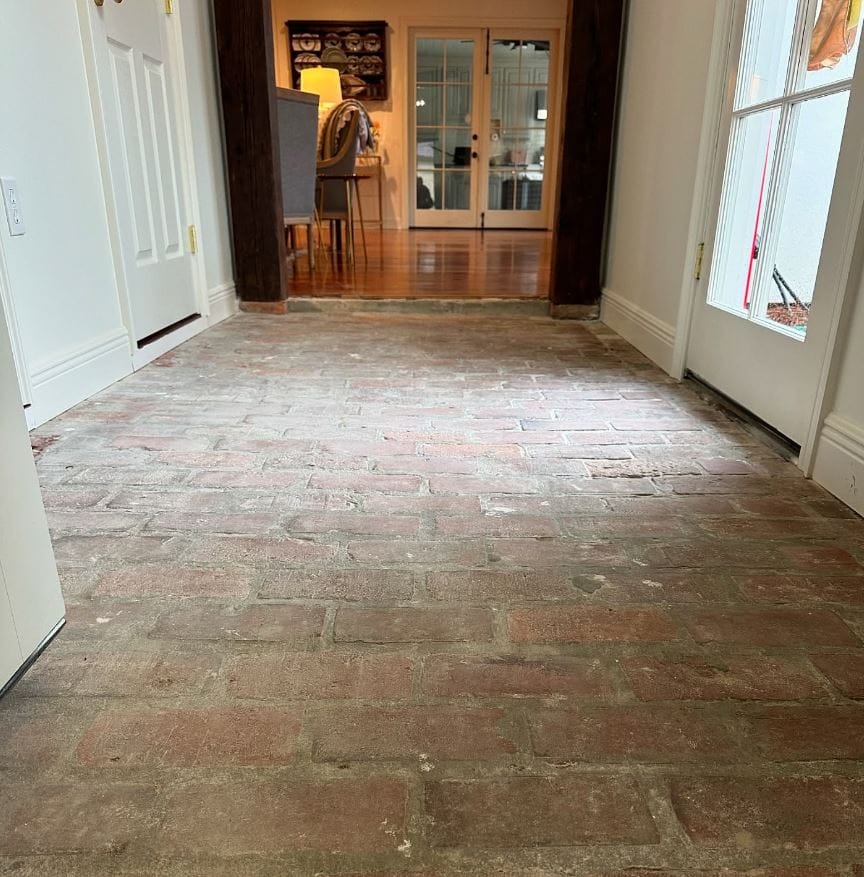
Brick floors bring a timeless, warm, and rustic charm to any home. Their durability is legendary, but their porous nature and textured surface can make cleaning a challenge. Without the right knowledge, you risk damaging the surface or trapping dirt deeper.
Fear not! This expert guide will walk you through the entire process, from routine maintenance to tackling tough stains, ensuring your brick floors look their best for years to come.
Understanding Your Brick Floor: Sealant is Key
Before you pour a single drop of cleaner, the most critical step is to identify whether your brick floor is sealed or unsealed. This determines everything about your cleaning approach.
Expert Insight: “The number one mistake people make is using the wrong cleaner for their floor’s finish,” says Michael Davies, a restoration specialist with over 20 years of experience. “Using a harsh, acidic cleaner on an unsealed brick floor can etch the surface and dissolve the mortar. Always test in an inconspicuous area first.”
How to Tell if Your Brick Floor is Sealed
Perform this simple water test:
- Sprinkle a few drops of water onto the brick in an inconspicuous spot.
- Observe what happens:
- If the water beads up: Your floor has a protective sealant.
- If the water is absorbed quickly and darkens the brick: Your floor is unsealed.
This distinction is crucial for selecting the right cleaning method.
Your Step-by-Step Guide to Cleaning Brick Floors
Follow this proven process for a deep, effective clean that preserves your floor’s integrity.
Step 1: Clear and Dry Dust the Floor
Begin by removing all furniture and rugs. Then, use a soft-bristled broom or a vacuum with a hard-floor setting (no beater bar) to remove all loose dust, dirt, and debris. This prevents scratching the surface during the wet cleaning phase.
Step 2: Prepare and Apply Your Cleaning Solution
The ideal cleaning solution depends on your floor’s type.
For Sealed Brick Floors:
A mild, pH-neutral cleaner is safest. Mix a few drops of a mild dish soap (like Dawn or Castile soap) in a bucket of warm water. Avoid acidic cleaners like vinegar or harsh alkaline ones like ammonia, as they can degrade the sealant over time.
For Unsealed Brick Floors:
You need a stronger, alkaline-based cleaner to cut through grime without damaging the brick. Create a paste using Oxygen Bleach (a chlorine-free, color-safe powder) and warm water. This is the expert-preferred method as it’s effective and safe for both the brick and mortar.
- Why Oxygen Bleach? “Oxygen bleach is a game-changer for unsealed masonry,” explains Davies. “It breaks down into hydrogen peroxide and soda ash, lifting stains and killing mildew without the corrosive damage of chlorine bleach.”
Application:
- Apply your chosen solution with a large, soft cloth, a sponge mop, or a soft scrub brush.
- Work in small sections (e.g., 3×3 feet) to prevent the solution from drying out.
- For the oxygen bleach paste, let it sit for 5-10 minutes to penetrate and lift the dirt, but don’t let it dry completely.
Step 3: Gently Scrub and Agitate
Using a soft-bristled brush (nylon bristles are ideal), gently scrub the floor in a circular motion. Pay extra attention to grimy areas and mortar joints. The goal is to agitate the dirt, not scour the brick.
Step 4: Rinse Thoroughly
This is a non-negotiable step. Leftover soap residue will attract more dirt, leading to a dull film.
- Use a clean mop and fresh water or a wet-dry vacuum to remove the dirty water.
- Rinse the floor thoroughly with clean water, changing the water frequently until it runs clear.
Step 5: Dry the Floor Completely
Use old towels or a microfiber mop to dry the floor as much as possible. For unsealed floors, this is critical to prevent water spots and mineral deposits. Allow the floor to air dry completely before walking on it or replacing furniture.
Tackling Tough Stains on Brick Floors
Even with regular cleaning, stubborn stains can occur. Here’s how to handle them.
| Stain Type | Recommended Treatment | Expert Tip |
|---|---|---|
| Efflorescence (White, powdery salt deposits) | Stiff, dry brush and/or a solution of white vinegar and water (50/50). | Scrub off the crystals with the dry brush first. Use the vinegar solution only as a last resort and rinse extremely well, as acid can damage brick. |
| Mold & Mildew | Mix 1 cup of borax in a gallon of hot water. | Borax is a natural fungicide. Scrub the area, let sit for an hour, then scrub and rinse. |
| Rust Stains | Commercial poultice designed for rust removal. | These stains are notoriously difficult. A poultice draws the stain out of the pores. Avoid using chlorine bleach, as it can set the stain. |
| Grease & Oil | Apply a paste of cornstarch or talcum powder to absorb fresh stains. For set-in stains, use a degreasing dish soap. | For a fresh spill, cover with cornstarch immediately, let sit for hours or overnight, then sweep and vacuum it up. |
Brick Floor Maintenance: Prevention is Better Than Cure
Regular upkeep will make deep cleans far easier.
The Power of Doormats and Rugs
Place high-quality doormats at all entrances to trap dirt and grit before it reaches your brick floor. Use rugs in high-traffic areas to minimize wear.
Daily and Weekly Care
- Sweep or Dry Mop Daily: This is the single most effective maintenance task.
- Damp Mop Weekly: For sealed floors, a quick pass with a damp mop and a pH-neutral cleaner will maintain a fresh look.
The Importance of Re-sealing
If you have unsealed brick, consider applying a penetrating sealant after a thorough cleaning. For sealed brick, re-apply the sealant every 2-3 years, or as recommended by the manufacturer.
Final Expert Quote: “Think of sealant as an invisible shield,” Davies advises. “It doesn’t change the look of your brick but makes day-to-day maintenance a breeze by preventing stains and dirt from penetrating. It’s the best investment you can make for the longevity of your floor.”
By following this expert advice, you can confidently clean and maintain your beautiful brick floors, preserving their character and strength for generations to come.