Does Windex Kill Cockroaches? The Sticky Truth Revealed

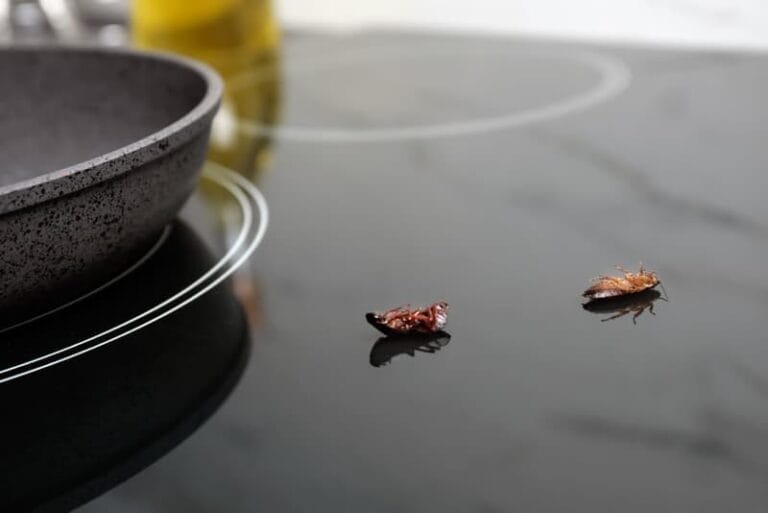
You see a cockroach scuttling across your kitchen counter. In a moment of panic, you grab the nearest bottle of cleaning spray—Windex. You douse the insect, and it seems to slow down or even die. Victory! But is this a legitimate pest control strategy, or have you just created a bigger problem?
The short answer is: Yes, Windex can kill a cockroach, but it is an extremely ineffective and unreliable method for pest control. Let’s dive into the science and practical reasons why you should never rely on it.
The Science Behind the Suds: How Windex Affects Cockroaches
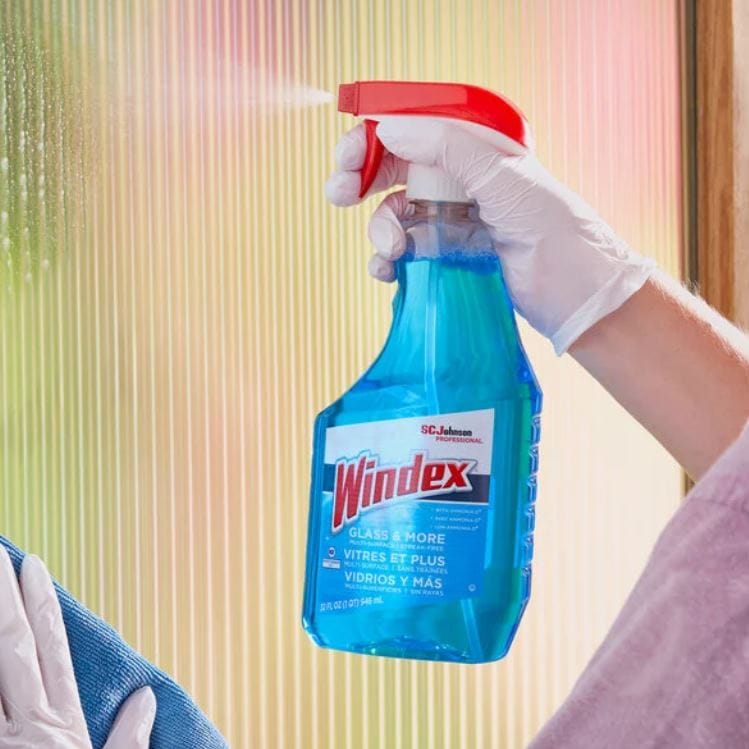
Windex, a popular glass cleaner, was never formulated to be an insecticide. Its primary ingredients are water, surfactants (soap-like compounds), and solvents like 2-Hexoxyethanol (in the original blue formula). The killing mechanism isn’t a targeted poison but a combination of two physical actions:
- Surfactant Action: The soaps in Windex can break down the protective waxy layer on a cockroach’s exoskeleton. This layer is critical for retaining moisture. By compromising it, Windex can cause the roach to dehydrate.
- Suffocation: When sprayed directly and heavily, the liquid can clog the cockroach’s spiracles—the tiny breathing holes on the sides of its body. This can lead to suffocation.
Expert Insight: “While the surfactants in cleaners like Windex can disrupt a roach’s cuticle and lead to dehydration, it’s a slow and inefficient process. A roach would need to be thoroughly drenched and unable to escape for it to be fatal. This makes it a poor choice compared to professional-grade insecticides,” explains an entomologist from a leading university.
Windex vs. Roach: A Head-to-Head Showdown
The following table clearly illustrates why Windex fails as a cockroach killer when compared to proper methods.
| Feature | Windex (Glass Cleaner) | Professional Insecticide (e.g., Advion Gel Bait) |
|---|---|---|
| Primary Purpose | Cleaning glass surfaces | Eliminating insect pests |
| Killing Mechanism | Suffocation & Dehydration | Targeted neurotoxins |
| Speed of Kill | Slow (minutes to hours) | Fast (hours) |
| Effectiveness | Inconsistent; requires direct contact | Highly effective; roaches consume and share bait |
| Residual Effect | None – once dry, it’s useless | Long-lasting (weeks) |
| Nest Impact | Zero – only affects the roach you see | High – kills hidden roaches via transfer |
| Safety Concern | Can contaminate surfaces | Applied in hidden, targeted areas |
As the table demonstrates, Windex lacks the residual power and colony-killing capability of real insecticides. You’re only playing whack-a-mole with the scouts, leaving the main nest unharmed.
The Hidden Dangers of Using Windex on Roaches
Believing Windex is a viable weapon can lead to several negative consequences for your home and your pest control efforts.
- False Sense of Security: Killing one visible roach does nothing to address the infestation festering behind your walls and appliances.
- Surface Contamination: Windex contains chemicals not meant for food-prep surfaces. Spraying it liberally to kill bugs can leave residues on countertops where you prepare meals.
- Inefficiency and Cost: It takes a significant amount of Windex to potentially kill one roach. This is far more expensive and less effective than using a dedicated, long-lasting insecticide gel.
- It Can Scatter the Problem: Spraying a roach but not killing it instantly can cause it to flee, potentially deeper into your home, spreading germs and pheromones that can disrupt more effective baiting strategies.
What Should You Use Instead? Effective Alternatives
For a truly roach-free home, you need a multi-pronged approach. Here are proven methods:
- Gel Baits: The gold standard. Roaches eat the bait and return to the nest, poisoning others through their feces and carcasses. This targets the hidden colony.
- Insect Growth Regulators (IGRs): These chemicals disrupt the roaches’ life cycle, preventing them from maturing and reproducing. They are excellent for long-term control.
- Diatomaceous Earth: A natural powder that scratches the roach’s exoskeleton, causing it to fatally dehydrate. It has a good residual effect in dry areas.
- Borax or Boric Acid: A classic, low-toxicity solution that acts as a stomach poison when ingested. It’s often mixed with bait like sugar or flour.
The Final Verdict: Put the Windex Down
So, does Windex kill cockroaches? Technically, yes, under the right conditions. But it’s like using a water pistol to put out a house fire. It might sizzle one ember while the entire structure burns down.
Windex is a cleaner, not an insecticide. Its use in pest control is a temporary, messy, and ineffective hack. For the sake of your home, your health, and your peace of mind, invest in proper pest control solutions that target the root of the infestation, not just the occasional scout you happen to see.