Vinegar vs. Windex Ingredients: An Expert Guide to a Safer, Cleaner Home
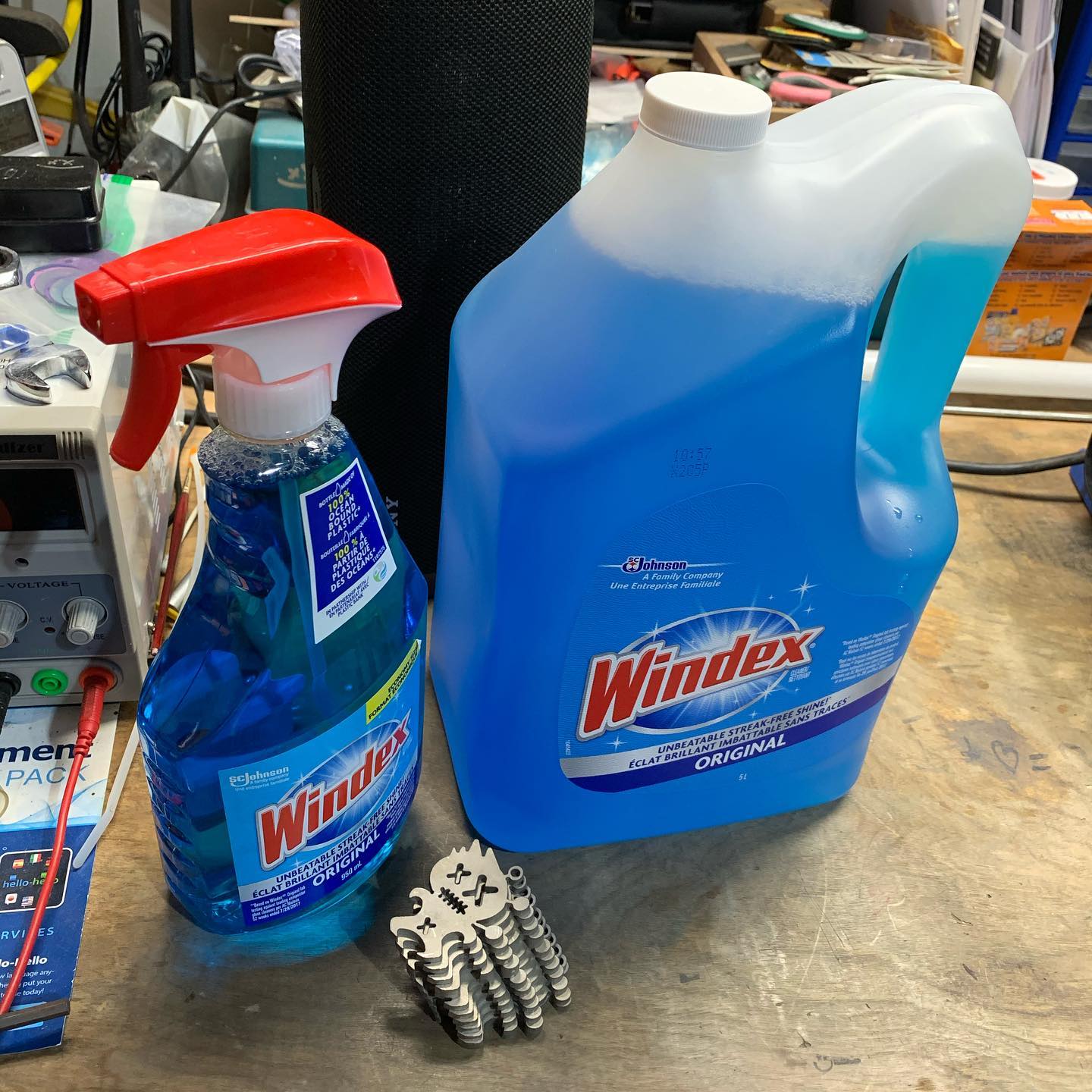
When it comes to achieving a streak-free shine on glass, two contenders often dominate the conversation: the classic blue liquid, Windex, and the humble pantry staple, vinegar. But what exactly is in these cleaners, and which one is the right choice for your home? This in-depth guide breaks down the ingredients, safety, and effectiveness of both, with expert advice to help you make an informed decision.
Decoding the Blue Bottle: What’s in Windex?
Windex is one of the most recognized glass cleaner brands in the world. Its signature blue formula is designed for power and convenience. While the exact formulation is proprietary, the key active ingredients are listed on the Safety Data Sheet (SDS).
The primary ingredients in standard Windex Original include:
- Water: The base solvent.
- 2-Hexoxyethanol: A surfactant and solvent that helps break down grease and grime.
- Isopropanolamine: Another surfactant that helps the solution spread evenly and avoid streaking.
- Ammonia: The traditional powerhouse ingredient that cuts through tough grease and grime on glass.
- Fragrance: Added to provide a familiar, “clean” scent.
- Blue Dye: For brand recognition.
The Role of Ammonia in Glass Cleaning
Ammonia is highly effective at dissolving oils and fingerprints that water alone cannot. It evaporates quickly, which helps prevent streaking. However, its potency comes with caveats.
Expert Insight: Dr. Sarah Johnson, a chemist and indoor air quality specialist, cautions, “Ammonia-based cleaners like traditional Windex are highly effective, but they release volatile organic compounds (VOCs) that can irritate the eyes, skin, and respiratory system. They should always be used in a well-ventilated area and never mixed with bleach, as this creates a toxic chloramine gas.”
The Natural Alternative: Understanding Vinegar as a Cleaner
White distilled vinegar is a popular natural cleaning agent. Its power comes from its acidity.
The primary active ingredient is:
- Acetic Acid (typically 5-8% in household vinegar): This acid is effective at dissolving dirt, soap scum, and hard water mineral deposits (like lime scale).
A typical homemade vinegar glass cleaner recipe includes:
- 1 part white distilled vinegar
- 1 part water
- Optional: A few drops of essential oil for fragrance (e.g., lemon or lavender).
The Science Behind Vinegar’s Cleaning Power
The acidity of vinegar breaks down molecular bonds, allowing grime to be wiped away easily. It’s a natural disinfectant against certain microbes, though it is not effective against all pathogens (like some viruses and salmonella).
Vinegar and Windex: A Direct Ingredient Comparison
The following table highlights the core differences between a standard homemade vinegar solution and a commercial Windex product.
| Feature | Homemade Vinegar Cleaner | Windex Original (Ammonia-Based) |
|---|---|---|
| Primary Active Ingredient | Acetic Acid (5%) | Ammonia & 2-Hexoxyethanol |
| Other Key Ingredients | Water | Isopropanolamine, Fragrance, Dye |
| Cleaning Action | Cuts grease & dissolves mineral deposits | Powerful degreasing and streak-free shine |
| Smell | Pungent, acidic smell (can be masked) | Strong, chemical “clean” scent |
| Environmental Impact | Biodegradable, non-toxic | Contains VOCs, requires disposal care |
| Cost | Very low cost | Moderate to high cost |
Expert Advice: Which Should You Choose for Your Windows?
The “better” choice depends on your priorities: raw cleaning power, safety, environmental impact, or cost.
When to Reach for Windex
- Heavy Grime: For windows with built-up grease, sap, or stubborn dirt, the surfactants and solvents in Windex provide a cleaning power that vinegar may lack.
- Convenience: The formula is engineered for a no-streak finish and is ready to use straight from the bottle.
When to Choose a Vinegar Solution
- Homes with Children and Pets: Vinegar is a non-toxic, pet-safe cleaner. There’s no risk of harmful chemical residue.
- Hard Water Areas: Vinegar is exceptionally effective at removing white, cloudy hard water stains from glass.
- Cost and Eco-Consciousness: It’s an inexpensive, zero-waste option that avoids plastic packaging and harsh chemicals.
Pro-Tip from a Cleaning Expert: Mark Jenkins, a professional cleaner with 15 years of experience, advises: *”For everyday cleaning, a 50/50 vinegar and water solution in a reusable spray bottle is fantastic. The secret to a streak-free finish isn’t the cleaner alone—it’s the tool. Always use a squeegee and a clean, lint-free microfiber cloth, not newspaper or paper towels.”*
The Final Verdict: Safety, Effectiveness, and Your Home
Both vinegar and Windex have their place in a cleaning arsenal. For routine maintenance and for those prioritizing a natural, non-toxic home, a vinegar solution is an excellent and effective choice. For tackling tougher, greasy messes or when you need the convenience of a pre-mixed, powerfully engineered formula, Windex is a reliable option.
Always remember: Whichever you choose, proper ventilation is key to a healthy cleaning routine. By understanding the ingredients, you can clean smarter and create a healthier living environment.