Can You Use Windex on a Dry Erase Board? The Definitive Guide

You’re staring at a stubborn, ghosted dry erase board, a bottle of Windex in hand, and you hesitate. It’s a common dilemma in offices and classrooms worldwide. Using a common glass cleaner on a whiteboard seems like a logical solution, but is it safe and effective?
The short answer is: It’s not recommended. While Windex will clean the surface, it can cause long-term damage that ruins your board.
Let’s dive into the details of why this household staple is a risky choice for your dry erase board and what you should use instead.
Why Windex is a Risky Choice for Your Whiteboard
To understand why Windex is problematic, you need to understand the delicate surface of a dry erase board. Unlike glass, which is non-porous and incredibly hard, a whiteboard has a specialized, slightly porous laminate coating designed to allow dry erase markers to write smoothly and erase cleanly.
The primary issues with using Windex are its harsh chemicals and additives.
The Abrasive Threat of Ammonia
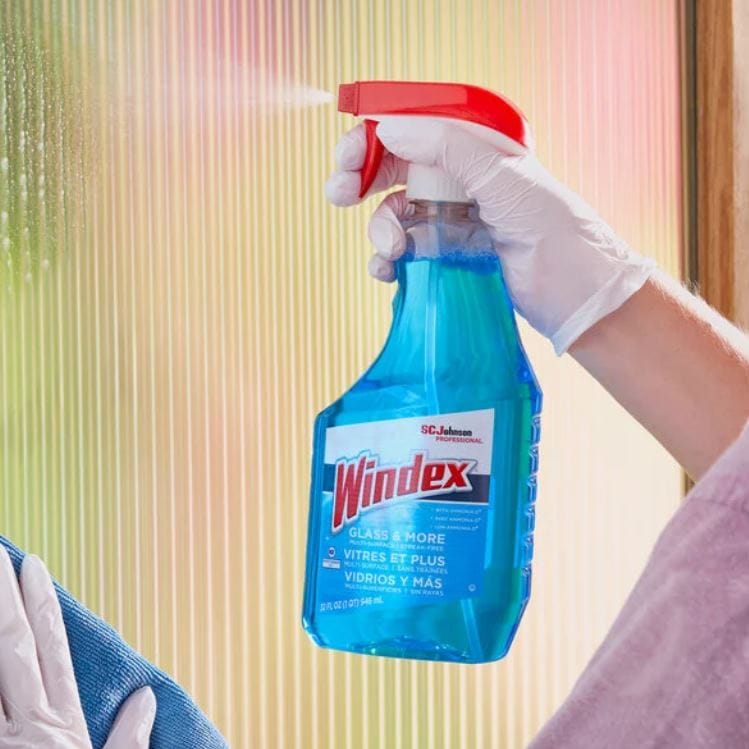
Many Windex formulas contain ammonia, a powerful degreaser. While excellent for cutting through grime on glass, ammonia is too harsh for the sensitive surface of a whiteboard.
“Ammonia is a corrosive chemical that can break down the protective laminate of a dry erase board over time. This degradation leads to ‘ghosting’—those faint, permanent marks that won’t fully erase—and ultimately renders the board unusable.” — Office Supplies & Ergonomics Expert
By repeatedly using an ammonia-based cleaner, you are essentially stripping away the board’s finish, making it more porous and susceptible to staining.
The Drying Effects of Alcohol and Solvents
In addition to ammonia, many multi-surface cleaners contain isopropyl alcohol and other solvents. These ingredients are designed to evaporate quickly, which is why they leave a streak-free shine on glass. However, on a whiteboard, they can be overly drying.
This constant cycle of aggressive cleaning and rapid drying can cause the board’s surface to become dull and brittle, further accelerating the wear and tear that leads to ghosting.
Windex vs. The Alternatives: A Quick Comparison
Not all cleaners are created equal. The following table breaks down how Windex stacks up against other common cleaning solutions for dry erase boards.
| Cleaning Agent | Safe for Dry Erase Boards? | Pros | Cons |
|---|---|---|---|
| Windex/Glass Cleaner | ❌ Not Recommended | – Cuts through tough marks – Readily available | – Contains ammonia/alcohol that damages the surface – Causes ghosting and staining over time – Dulls the finish |
| Rubbing Alcohol | ⚠️ Use with Caution | – Effective disinfectant – Removes permanent marker | – Can be overly drying and harsh – May damage the board with repeated use |
| Hand Sanitizer | ✅ For Spot Cleaning | – Great for removing permanent marker – Convenient (often on-hand) | – Not for full-board cleaning – Alcohol content can be damaging if overused |
| Water & Microfiber Cloth | ✅ The Daily Go-To | – Perfectly safe – Prevents residue buildup – Inexpensive | – Less effective on old, stubborn stains |
| Whiteboard-Specific Cleaner | ✅ Highly Recommended | – Formulated for the surface – Cleans and conditions – Prevents ghosting | – More expensive than DIY options |
The Best Ways to Clean Your Dry Erase Board
To ensure a long life for your whiteboard, follow these safe and effective cleaning methods.
1. For Daily and Weekly Cleaning
The best routine is the simplest one. Use a high-quality microfiber eraser for daily use. For a more thorough weekly clean, dampen a soft microfiber cloth with plain water and wipe the board down. This removes any marker residue without introducing any harmful chemicals.
2. For Deep Cleaning and Stubborn Ghosting
If your board already has some ghosting or has been used with permanent marker, you have a few safe, powerful options:
- Whiteboard Cleaner Spray: This is your best bet. It’s specifically designed to dissolve dry erase ink without harming the surface.
- Isopropyl Alcohol (70%): Use this sparingly and as a last resort. Apply a small amount to a cloth and gently rub the stained area. Wipe clean with a water-dampened cloth afterward to remove any residue.
- DIY Solution: Mix a solution of one part white vinegar to ten parts water. Vinegar is a mild acid that can help break down ink without the damaging effects of harsher chemicals.
3. How to Remove Permanent Marker
This is a common accident, and the fix is easy. Simply scribble over the permanent marker ink with a standard dry erase marker. The solvents in the dry erase ink will dissolve the permanent ink, allowing you to wipe both away cleanly with a standard eraser or cloth.
Final Verdict: Skip the Windex
While it might be tempting to grab the Windex for a quick clean, the potential for long-term damage is too great. The ammonia and solvents can degrade your board’s surface, leading to permanent ghosting and a shorter lifespan.
The bottom line: Protect your investment. Stick to a microfiber cloth with water for routine cleaning and a dedicated whiteboard cleaner for deeper cleans. Your whiteboard will stay clearer, last longer, and remain a reliable tool for years to come.