How Popunder Ads Drive Conversions Without Disrupting User Experience
Most advertisers assume that effective advertising has to interrupt what someone’s doing. Click here, look at this, stop scrolling. But that’s not always the case. Some of the most successful ad formats work precisely because they don’t force an immediate decision.
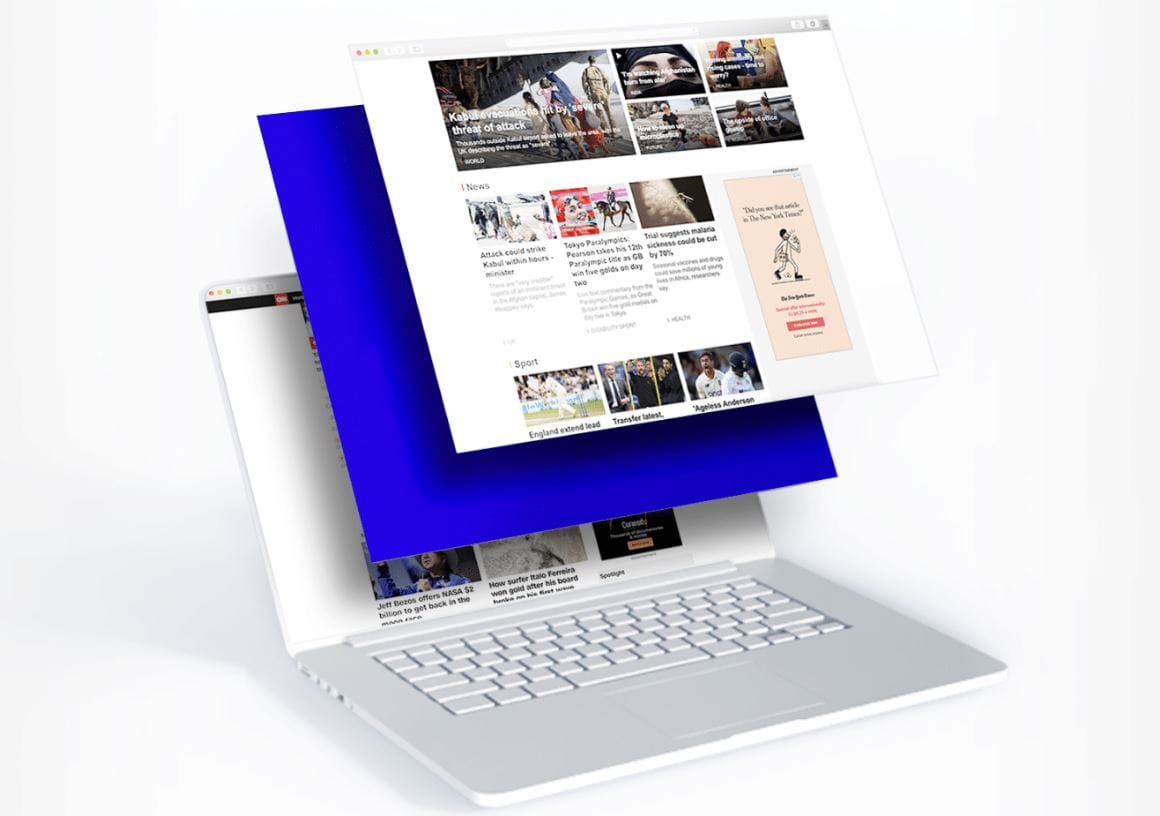
Popunder ads operate on a different principle entirely. Instead of demanding attention right now, they create awareness that pays off later. The ad loads behind the active browser window, so users can finish whatever brought them to the site in the first place. When they close or minimize their current window, there’s the ad—visible, full-screen, and impossible to miss.
This approach sidesteps one of the biggest problems in digital advertising: the instant rejection that happens when someone feels interrupted. People don’t hate ads. They hate being pulled away from what they’re trying to do. Popunders respect that boundary while still delivering the exposure advertisers need.
Why Timing Creates Better Response Rates
Here’s what makes this format interesting from a conversion standpoint. When someone encounters a popunder, they’re typically at a natural break point. They’ve finished reading an article, completed a purchase, or closed out of whatever task they were focused on. That’s a completely different mental state than being mid-scroll or mid-read.
The brain is more receptive during these transition moments. There’s less cognitive load, less frustration, and more willingness to consider something new. A popunder that appears during one of these breaks doesn’t feel like an intrusion—it feels more like discovering something while you’re already shifting gears.
This timing advantage shows up in the data. Conversion rates for popunders often outperform standard display ads, particularly for offers that require any level of consideration. Someone selling a subscription service, promoting a limited-time deal, or driving sign-ups for a webinar tends to see stronger results with this format than with banner placements that compete for attention alongside content.
The format also captures users who’ve developed banner blindness. Most people have trained themselves to ignore anything that looks like a standard ad unit in the sidebar or header. A full-screen window that appears after they’ve completed their primary task? That gets noticed.
The Psychology Behind Non-Intrusive Interruption
There’s a counterintuitive element to how popunders work. They are technically an interruption, but they don’t feel like one in the moment. The user got what they came for—they read the article, watched the video, or made their purchase. The popunder appears after that primary goal is satisfied.
This creates a very different emotional response compared to a pre-roll video ad that blocks content or a popup that covers the article someone’s trying to read. Those formats generate immediate annoyance because they create friction between the user and their goal. Popunders remove that friction by waiting until the goal is achieved.
The full-screen nature of the format also works in its favor. When someone sees a popunder, they’re looking at the entire creative without distraction. There’s no competition from surrounding content, no other ads fighting for attention, no navigation menu pulling their eye away. It’s just the offer and the person viewing it.
That level of focus is hard to achieve with other ad formats. Even native ads, which blend into content feeds, still share screen space with other elements. A popunder gets the whole stage, which means the creative has maximum opportunity to communicate value and drive action.
Where Popunders Outperform Other Formats
Not every campaign benefits equally from this approach. The format works best when there’s something specific to promote and a clear action for users to take. Direct response offers—think free trials, limited-time discounts, lead magnets, or event registrations—tend to perform especially well.
The key is having an offer strong enough to warrant full-screen attention. If the creative and the value proposition are compelling, that undivided focus translates directly into conversions. If the offer is weak or the targeting is off, even the best ad format won’t save it.
Industries that rely on consideration rather than impulse also see strong results. SaaS companies, online education providers, financial services, and B2B lead generation campaigns often find that popunders deliver better cost-per-acquisition than display or social ads. These aren’t impulse purchases—they’re decisions that benefit from having a moment to think without competing distractions.
E-commerce can also benefit, particularly for higher-ticket items or seasonal promotions. Someone who just finished browsing a competitor’s site might see a popunder with a better price or a special offer. The timing works because they’re already in shopping mode and receptive to alternatives.
Managing Frequency Without Burning Out Your Audience
The biggest mistake advertisers make with popunders is overexposure. Show the same person the same ad too many times, and even the best format becomes annoying. This is where frequency capping becomes essential.
Most successful campaigns limit exposure to once per user per day, or even once per week depending on the offer. The goal is to stay visible without becoming intrusive. Someone who sees a relevant popunder once might convert. Someone who sees it five times in an afternoon will probably just develop negative associations with the brand.
Quality targeting matters just as much as frequency. A popunder shown to someone genuinely interested in the offer feels helpful. The same ad shown to someone with no connection to the product just feels random and annoying. The difference between effective advertising and spam often comes down to relevance.
Geographic targeting, demographic filters, and behavioral data all help ensure that popunders reach people who might actually care about what’s being promoted. When the targeting is tight and the frequency is controlled, user experience stays positive while conversion rates climb.
Making the Format Work for Your Campaign
The creative matters more with popunders than with almost any other format. Since users are seeing the full screen, every element of the design and copy needs to work together. There’s no room for lazy creative or unclear messaging.
Strong popunders follow a simple structure: clear headline that communicates value, supporting copy that explains why someone should care, and an obvious call-to-action that tells them exactly what to do next. Visual hierarchy guides the eye from the headline to the CTA without confusion or clutter.
Loading speed also plays a bigger role than many advertisers realize. A popunder that takes three seconds to load defeats the purpose of the format. By the time it appears, the user has already moved on or closed the window. Fast-loading creatives ensure that the ad appears at the right moment—when the user is actually in that transition state and receptive to new information.
Testing different offers and creative approaches reveals what resonates with specific audiences. One audience might respond better to discount-focused messaging, while another converts more on value propositions or social proof. The full-screen nature of popunders makes A/B testing particularly valuable because small creative changes can have outsized impacts on conversion rates.
The Bottom Line on Popunders and User Experience
Good advertising and good user experience don’t have to be at odds with each other. Popunders actually prove you can get solid conversion rates without annoying the hell out of people. The format works because it waits for the right moment instead of barging in when someone’s trying to do something else.
When you get the frequency right, target the right people, and build decent creative, popunders pull conversions without all the baggage that comes with more aggressive formats. They show up when users are between tasks, grab full attention without covering up content, and get responses from people who’ve trained themselves to ignore those banner ads scattered everywhere.
That mix of visibility and good timing is why popunders still work while other formats are seeing their engagement numbers drop. They managed to crack the code on interrupting without being rude about it—and in this industry, that’s worth paying attention to.