Renovation Checklist: What to Do Before You Start Demolition
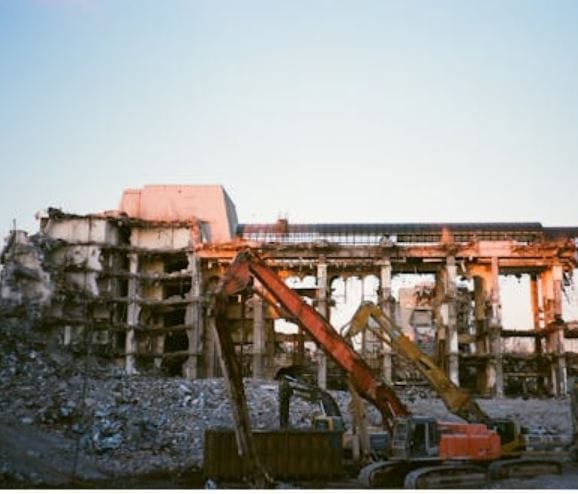
Why is planning for a demolition important? What purpose does a demolition serve? All these are great questions to ask as you plan a major renovation project.
An unclear plan leads to a risky demolition project. It adds delays, safety hazards, and higher costs to the mix. Before you know it, you’re way behind on that renovation schedule.
Want a risk-free renovation project? Start planning the demolition in advance. This ensures there’s no compromise on safety and that you stick to the timeline and budget. All you need to do is follow our handy checklist.
The Ultimate Pre-Demolition Checklist
Planning a demolition? What’s a better place to start than the scope of the project?
1. Setting Up the Goals
Before you move on to anything else, clearly outline your goals and set up that rough blueprint. Is the demolition limited to a single room or are you planning on changing the entire layout of the home.
When setting up these goals, create a list of “must-haves” and “nice-to-haves” so you can communicate your priorities as well as budget decisions to the experts.
Speaking of budget decisions, use your goals to determine exactly how much you are looking to spend. Include line items for the materials, labor, permits, and unplanned but entirely probably issues such as mold and plumbing surprise. We suggest you add at least 10-20% as a contingency budget.
2. Moving On to Permits
This is all any demolition expert can ever talk about. Well, it’s all for good reason. Before you even think of setting up a huge demolition project you may need a building permit. This is especially true if you are majorly altering plumbing, electrical, or structural elements.
All you need to do is reach out to your local municipality or building department to figure out what is required of you. Skipping on permits is a sure-fire way to collect heavy fines and reverse all your hard work.
Not sure how you can best tackle this permit issue. Rely on experts who can take you through it all. Depending on your specific needs you might need a general contractor, a structural engineer (if you plan on removing walls), architects, interior designers, licensed electricians, and more.
If you are investing in something really specific like a new paint job it is best to search for local, expert Washington DC painting contractors who can give you the best rates! Interview several candidates before you settle on one company you can trust.
3. Scheduling Home Inspections
If you are planning on a relatively large-scale demolition project don’t shy away from getting an expert to look at your home first. Older homes often have hidden issues such as asbestos, lead paint, or outdated wiring. Getting this inspection can save you from ugly surprises.
Once you have the green signal, proceed to tick off some safety checks of your own. Shut off all the utilities if you are planning to knock down a wall. Turn off the electricity, gas, and water connections in the area being renovated. Always put safety first. You might need some expert assistance at some point.
4. Protecting Your Home
In case you don’t want the entirety of your home to be affected by all the changes, we suggest you clear out the space of any furniture and valuables. No matter how careful your demolition team might be, these items can still collect dust and debris.
Additionally, you may also use heavy-duty plastic sheeting to block off the rooms and protect your floors with rosin paper or drop clothes. Cover all the air vents to keep the dust from circulating.
5. Keep Neighbors in Mind
Remember that the demolition and renovation was your personal choice. Thus, its effects should not hinder the comfort of any of your neighbors.
Demolition often creates a lot of waste from the drywall, the wood, tiles, and more. Rent out a hauling service so that they can clear the area as soon as possible.
Moreover, if you live in a neighborhood or shared building, warn your neighbors in advance before noisy demolition commences. This isn’t just goodwill but an actual legal requirement in a lot of states.
A Few Extra Tips
Here are a few extra pieces of advice that may help.
- Label your furniture so it doesn’t end up getting misplaced, removed, or damaged during the entire process.
- Double check all your structural plans. You may want to remove a wall for an open layout but a look at your structural plan may reveal that the wall is supporting a pillar.
- Look out for hazardous materials as mentioned before. Disturbing these materials without professional help and proper containment methods can cause serious health risks.
- Clearly communicate the timeline with your contractor and understand how long the process is going to take. Ask them if they are going to work on the weekends and plan your activities accordingly.
- Take pictures of the space before the demolition begins. This helps with not just a comparison at the end but also insurance claims, disputes, or future resale.
Why You Need a Professional
You may think you have it all under control and don’t really require any professional help. This is especially true for smaller projects such as changing the windows in the house to something new.
However, keep in mind that expert window replacement is nothing like the work you will get done on your own. Professionals that are well-versed in niche services can provide you insights you might not have come across on your own. They know the right way to demolish something you do not need or want anymore, and they know all the alternatives you can choose.
Key Takeaways
Instead of taking matters in your own hands, consider reaching out to experts and letting them take over. Figure out your vision and the easiest route to getting what you need. Then, simply reach out to experts who can do it for you at a fraction of the price.
Why waste time, energy, and your well-earned money when you can rely on experts who can get the job done in no time? Pick up that phone today and let the demolition experts take over.