Why Roofs Don’t Last Forever (and What Shortens Their Life)
Roofs work hard every day. They sit in the sun, take the rain, block the wind, and keep a whole home dry and safe. Even the best roof wears down after years of this. That doesn’t mean a roof is weak. It just means the weather and everyday life slowly wear it out.
What Really Wears a Roof Out
A roof is a system, not just shingles. There are layers that move heat and moisture out, nails that hold pieces in place, flashing that seals edges, and vents that let the attic breathe. When one part struggles, the others get stressed. Over time that stress shows up as cracked shingles, loose nails, stains, or leaks. No roof is perfect, and no roof lasts forever, because the forces pushing on it never stop. In many areas, especially places where heavy storms and coastal air make conditions harder, it’s not unusual for homeowners to need a full roof replacement in Palm Harbor or other nearby cities earlier than they might expect.
Sun and Heat Do More Than You Think
The sun beats down on a roof for hours. Heat makes shingles expand during the day, then they cool and contract at night. That constant movement can make them brittle. The dark color on many roofs soaks up even more heat. In hot states, the roof can get so warm you could fry an egg on it, which speeds up aging. Ultraviolet light also dries out shingles and sealants. After years of this, edges curl, surfaces crack, and the roof loses the tight seal that keeps water out.
Wind and Rain Team Up
Wind doesn’t just blow across a roof. It tugs at the edges and tries to lift shingles. Strong gusts work on the same spot again and again until a nail loosens or a tab lifts. Now rain has a path to sneak under the surface. Once water gets below the outer layer, it can soak the underlayment and drip onto wood. Wet wood swells, nails loosen more, and the problem grows. Storms speed this up because wind and heavy rain hit at the same time.
Salt Air and Hurricanes Change the Game
Coastal areas face salt in the air, strong sun, and storm surge. Salt can corrode metal flashing and fasteners. When metal rusts, small leaks start around chimneys, vents, and valleys. During hurricane season, wind-driven rain hits from odd angles, not just from above. That pushes water under edges and into seams. Even if the roof looks fine afterward, the seal might be weaker, and the next storm will find that weak point faster.
Heat Trapped in the Attic
Roofs age faster when the attic is too hot or too damp. If hot air can’t escape, the roof bakes from the bottom while the sun bakes from the top. That double heat cooks the shingles and dries out the wood. Moist air stuck in the attic is also a problem. It can condense on the underside of the roof deck, leading to mold, soft wood, and nail pops. Proper airflow through soffit and ridge vents helps move heat and moisture out. When that airflow is blocked by insulation or paint or dust, the roof above pays the price.
Small Leaks Turn Into Big Repairs
A tiny hole doesn’t stay tiny for long. Water follows gravity and takes the easiest path, which might be along a rafter or across a ceiling seam. By the time a stain shows up on paint, water may have been dripping for weeks. Wet insulation clumps and stops doing its job. Wood swells and then shrinks as it dries, which can split boards and open more gaps. The damage builds step by step until a fix that would have been simple now needs real work.
Installation Choices Matter
Even good materials fail when installed poorly. Nails driven at the wrong angle cut into shingles. Missing starter strips leave edges open to wind. Flashing that isn’t tucked and sealed at the right spots lets water run behind it. The roof might look fine on day one, yet carry hidden weak spots that age faster than the rest. A roof that starts with clean lines, correct fasteners, and tight flashing has a better chance of reaching its full lifespan.
The Material Makes a Difference
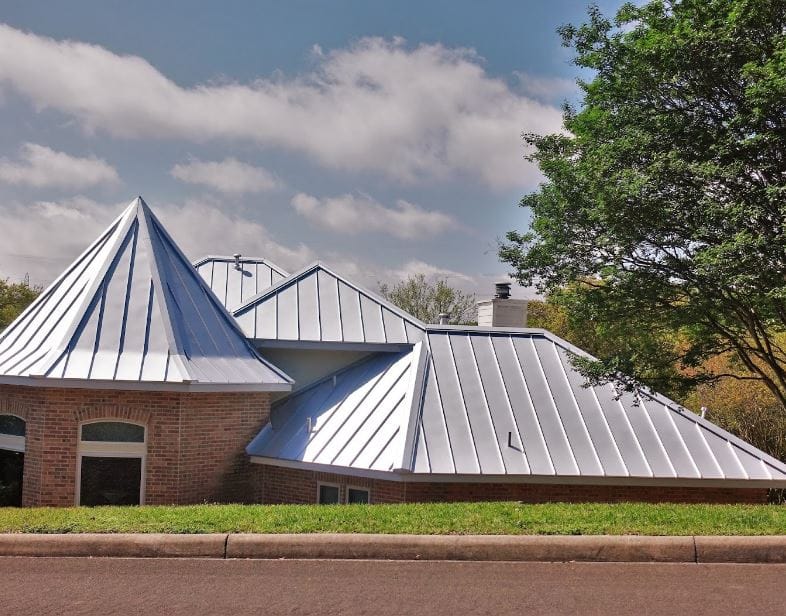
Not all roofs are the same. Asphalt shingles are common because they are affordable and familiar. Metal sheds heat well and handles wind if attached correctly. Tile can last a very long time in warm climates, but it needs strong support and careful flashing. Each material has a typical life range, and weather can push that range shorter or longer. When storms are fierce, even higher end materials can suffer if debris hits hard or if edges are exposed.
Trees, Debris, and Animals
Branches that rub on shingles scrape off the protective surface. Leaves pile up in valleys and hold moisture against the roof, which wears down the top layer. Gutters full of leaves overflow and send water behind fascia boards. Birds and small animals sometimes pull at shingles or flashing to make a gap for a nest. These are everyday things around a home, yet they make small problems that speed up wear.
Foot Traffic and Add-Ons
Walking on a roof presses on shingles and can break the seal between them. People go up to hang lights or adjust a satellite dish, and each step leaves a mark. Add-ons, such as skylights or antennas, add holes and edges that need to be sealed right. Over time seals dry out. When a new hole gets cut for a vent or a cable, the long life of the roof depends on how that cut is sealed and maintained.
When Repair Isn’t Enough
There comes a point when patching the same sections over and over costs more than it saves. Signs that a roof is near the end include shingles that crumble when touched, bare spots where granules washed away, soft areas in the deck, and flashing that has rusted through. When many spots have the same issues, the system is wearing out as a whole. A full replacement resets the clock. It adds newer materials, better underlayment, and a fresh seal at all edges and valleys. That gives the house a stronger shell for the next stretch of years.
What Homeowners Can Watch For
You don’t need a ladder to spot hints from the ground. Look for shingles lifted at the edges, dark streaks where water sits, or a wave in the roof line. After a storm, check the yard and gutters for granules that look like coarse sand. Inside the home, small brown rings on ceilings or walls signal moisture. In the attic, a musty smell or rusty nails point to damp air. These signs don’t prove a roof has failed, they just tell you it needs attention before the problem grows.
Why Roofs Have a Lifespan
A roof ages because it is always on duty. Heat moves in and out every day. Wind and rain visit most weeks. Storms roll through some seasons. Materials expand and contract, seals dry out, fasteners loosen, and tiny gaps open. That steady wear is normal. Care and good design slow it down, but they do not stop it. Knowing this makes roof decisions less stressful, because it sets fair expectations. A roof that reaches its expected life and protects a home through rough weather has done its job well.
How to Help a Roof Last Longer
Simple habits make a real difference. Keep trees trimmed away from the roof. Clear leaves from valleys and make sure gutters can drain. Let the attic breathe, and keep vents open and clear. After strong storms, take a slow walk around the home and look up for anything that seems off. Save photos and notes so changes are easy to spot over time. Small checks catch small issues, and small issues are easier to fix.
What to Remember
Roofs don’t last forever because weather, heat, and daily wear never stop. Sun dries out shingles, wind lifts edges, rain finds small gaps, and salt air speeds up rust. Attic heat and moisture push aging from below, and debris or foot traffic add their own stress. Installation quality and material type shape how long a roof can hold up, and the local climate sets the pace. Paying attention to small signs, keeping the roof clean and clear, and asking questions when something seems off keeps a home safer. The goal is simple, keep water out, keep the structure strong, and give the house a top that can handle the seasons year after year.